Beware: As society wilts, self-preservation takes over

Self-preservation: the protection of oneself from harm or death, especially regarded as a basic instinct in human beings and animals. (merriamwebster.com)

Self-preservation is a skill that is important for life to continue, it’s what helps us anticipate risk and keep us safe. This historically instinctual habit seems inherent, something that will simply kick in when necessary. However, this skill is connected to our emotions, as most human concepts are, and anything that deals with emotions can be manipulated and twisted if we are not careful.

Learning from the past

Self-preservation is something I know a lot about, for while I was born during a time of relative peace, my own personal life was full of dissonance, chaos, and ambiguity. My parents divorced when I was six; a messy and angry divorce full of hurt feelings and a lot of pain.
Adults surrounding me during this time were young, inexperienced, and grew more and more self-absorbed as time went on, focused solely on finding their way out of the hell they had created. I could feel, even at six, that this path they were traveling was too much for them, and I “knew” they would be unable to help me in my quest: my quest to not just stay alive, but to explore and understand the world, and to become a happy, well-adjusted person who lived a meaningful life.

Finding A Way Forward

In order to combat this war zone that constantly affected my life, I started to tap into my self-preservation. Planning for the future became my life, learning as much about the outside world as possible was my duty, so that I could create the best possible life and fortify it against any chaos that could disrupt it.

Things grew worse as my parents separated and new adults entered my life. Stepparents that either wanted to hurt me, control me, or act spitefully towards me became overbearing; heavy blankets that threatened to crush me before I was able to reach my dreams. Still, I soldiered on, knowing that someday, if I could just keep pushing forward, I could be far away from them and anyone that hurt me. Gratefully, my self-preservation muscles grew strong and resilient.
A Saving Grace

In my life, self-preservation was my savior. I learned what I needed from books, movies, television, school, and I learned what NOT to do by watching almost everyone around me. Admittedly, not everyone was horrible all the time. Bright spots popped up providing me solace and love at different times of my life, but often were fleeting or intermittent, and soon enough the blanket of tyranny was back again.

Self-preservation became my saving grace and helped me to not only create a life I love dearly but (probably more importantly) become the person I am today. Resiliency took time, and I stumbled a lot, but having that vision of what I wanted my life to become really helped me face my fears AND my failures as I moved through time.

Perhaps one may feel that this is the end of the story. A story of triumph, of learning, of strife and perseverance. While I hope that my story brings a speck of inspiration to others in a similar experience, my story must be balanced with the nuance necessary for our environment today.

The nuance of self-preservation

Self-preservation can be a helpful ingredient to pull us from despair and help us achieve our goals. However, too much self-preservation can lead us to an insular, wary, suspicious existence if we are not careful. Earlier I mentioned that I grew up in a time of relative peace. It was my internal world that was at war.

Our environment is an important part of the equation as the right thing at the wrong time can cause disastrous results. While doing the hard work of becoming who we are meant to be, we must have a safe space to run to when that work becomes exhausting. Having only my internal world to fight but an external world of peace allowed me to retain and strengthen the necessary Moxy I would need to survive my internal chaos, while still reaching out and connecting with the world around me. Remember the bright spots? That was what I was hoping to recreate consistently in my world. Remember the media that I absorbed? Much of it was extremely age-appropriate while sharing a world of connectedness, caring, adventure and peace.

A different world

We do not live in that same environment today. Our outside world is chaotic, fear-inducing, and full of the unknown. Environments of this sort can cause our connections to break down, and we shrink our physical world. We close ranks in order to keep our loved ones safe. Adding even more self-preservation to this equation pushes all of us further into our homes and creates enemies everywhere.
Throughout these hard times, we need to remember that our connections are what make life worth living and add to our overall well-being. Technology cannot save us from this fact. Humans will always need each other even we would like to wish this were not the case.

People are starting to feel abandoned. Abandoned by their governments, their communities, their neighbors, friends, and families. This can make us want to run away, hide away, and only deal with what is right in front of us.

The kicker is that this is a good place to start.

The issue is, this is no place to stay.

Where to Start

Gaining a better sense of self-preservation to get your “ish” together is necessary during hard times. Times where resources are tight, life is difficult, and chaos reigns. Today, we live in a world where distractions are overwhelming. Where you can find anything and everything you would want to “feel good” allowing us to disregard our conscience and our need for self-preservation. Similar to the frog slowly boiling in the pot, our self-preservation can be overwhelmed with slow, consistent pain.

So please, do look inward to deal with emotional baggage, define dreams, and create a vision for the future.

However, remember to balance that with the relationships we need to help us remember we are a species that thrives when we have connection. Disconnection leads to isolation, depression, added anxiety, and shortens our lives. So, how do we balance self-preservation and connection?

How to Balance

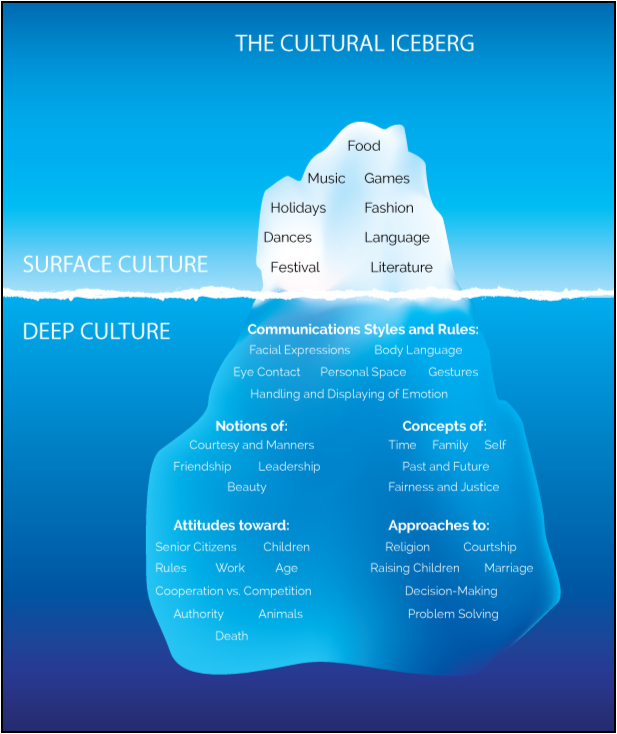
*Create Your Culture – We like to think about culture in terms of food, clothing, and holidays, but culture starts with our beliefs, values, and attitudes. Take a look at this picture – each of these concepts can look different depending on where we live.

How would each of these concepts be described in your life? If you have never thought about a concept before, do research before going with your gut feelings.
*Define your Tribe – Think about all of the relationships you had 5 years ago, how many still exist in your life today?

Research has shown that the pandemic has decimated our weak ties – “people that live on the periphery of our lives”. Those people that added something nice to our day, or friends we do not talk to often, are just as important to keep us tethered to humanity as our everyday tribe members. Weak ties can help us exercise our empathy muscles in new ways, keeping them in shape for when we really need them.

Old Templates Die Hard

Change is hard. Fighting against the overwhelming barrage of distractions is difficult. This is why our world is dying. But there is hope. We can both strengthen our self-preservation AND keep our connections strong, we just need help to see how. The old templates we were taught will not work as effectively any longer. We must find new ways to create our path forward. We all want a world where we feel comfortable, where we feel cared for and about, where we can live our purpose. Following the Essential Elements of Life can provide a new template to bring about that future for us all.

If you, or someone you know, is struggling with all of the change, finding difficulty dealing with emotional pain, hurt feelings, or distractions please check out our programs and see how we can help.
Copyright 2022 – Maven Source International, LLC

Scaling Maslow’s hierarchy – Part Three – The road to Survival

Heading into survival, all bets are off. Fear rules the day, and wariness presents itself in all interactions. Scarcity abounds and life becomes a daily fight to make it to the next morning.

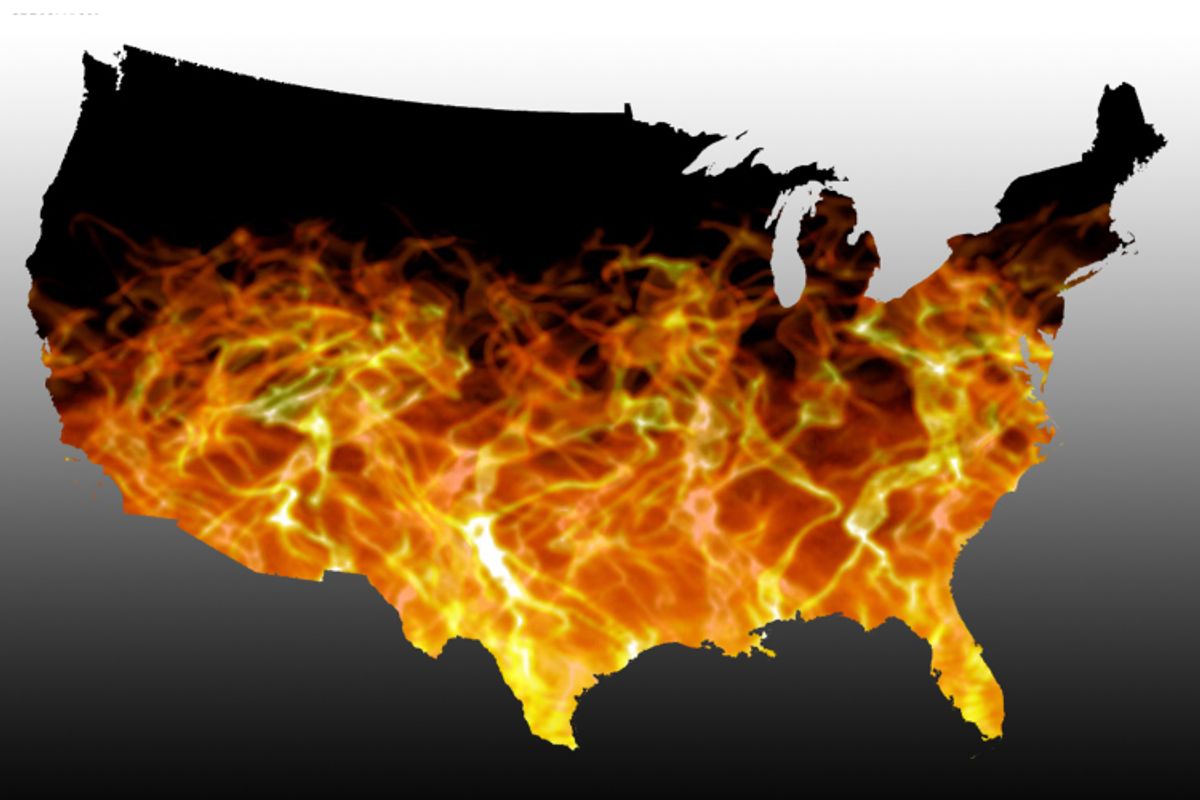
As a country, we are heading towards a collective Survival experience at breakneck speed. Our illusion of control is beginning to melt away, and our desired state of prosperity is fading due to the sheer amount of incidents that are becoming difficult to ignore. Emotions have taken hold of our psyches, more negative than not, and our connections to each other are paper thin, dangling over ever growing flames.

A pile of problems

Survival is not usually a chosen state. In fact, it is a state that many fear and strive to stay away from at all costs. When Survival is at our door our anxiety heightens and depression claws at our throats making it difficult to swallow. Our dreams of safety and comfort are no longer a possibility and we are faced with the choice of running, fighting or falling into a strong state of denial.

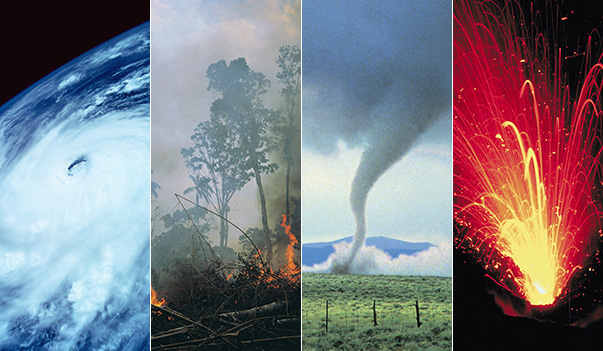
Every day more Americans are slipping into this state as we wade through an ever growing trend of epidemics. At the time of this writing we are dealing with: a worker shortage, inflation, water shortages, supply chain breakdown, collective trauma from the Covid-19 pandemic, opioid & overdose epidemics, our failure in Afghanistan, discontent with China, wildfires in the west, floods in the east, plus upticks in crime, suicide, murder and aggression all at the same time.

These stressors may not even be understood by a large swath of our populace, but one needs not to watch the news or even be online to feel the heavy blanket of aggression, fear, frustration and strife that is covering our country. Feelings that we cannot process because they are not understood are the most dangerous we can have as they often cause us to lash out uncontrollably in ways that we would never imagine.

We need to find a way to release the anger, and who better, we think, than to target those who believe in a different world view. Debates turn into fistfights, we scream dirty words at each other online hoping to crush the receiver with little care that there is another human on the other end of the line. We are in dangerous territory, and one where few of our populace has any idea of how to survive if this shit gets real. 

If we continue down this path, things will eventually bottom out. Perhaps it is inevitable. Common knowledge tells us that it is only by hitting rock bottom that we achieve clarity and can then progress towards something greater. That may be true, and for many IS true, however those who see this as a “win” tend to forget that hitting rock bottom first starts with a path full of self destruction. Very often bringing one to the brink of death. On a larger scale, this path is exponentially worse, bringing about war and the collapse of society.

Propping things up

Why, if so many tragedies are in our midst, can we not see what is headed our way and correct ourselves? 

  1. Our size makes it difficult for our citizens to experience similar tragedies simultaneously.
    • While the West is burning, the South is flooding and neither can empathetically understand what the other is going through.
    • If one grocery store runs out of resources, many can simply drive a bit further to obtain what they want.
  2. Technology
    • Our technological prowess has added a complexity and a solidity to our structure that we will strive to keep as long as possible. Renewable energies will most likely guarantee that a majority of our populace will always have some connection to civilization of some sort for the foreseeable future so we do not sweat a collapse.
  3. Money
    • Often when things get bad, we have a tendency to throw money at the populace and hope the issues go away. Sometimes this money is set up wisely, but many times it is a short stop gap that then allows crony capitalist tendencies and leads us into the next disaster with little regard for any lessons we may have learned.

Our belief

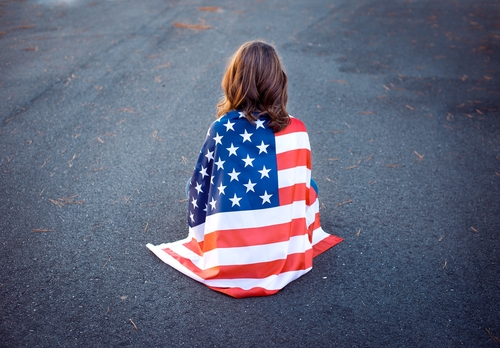
The biggest reason we cannot see what is headed our way is our belief in ourselves as a people and as a nation. Since birth over the past few generations we have been bred to have an overwhelming sense of belief in America and its people. We live in a country that loves to be in love with ourselves. American exceptionalism is often seen as a matter of fact. Ask most Americans, no matter what “side” they are on and they will agree that we have the strongest economy, the strongest military, and freedom, God, and democracy seem to thrive here more than anywhere else.

American’s belief

Americans tend to believe the fairy tales and heroic episodes that Hollywood creates. Heroes constantly triumph over dystopian rulers and other evil doers that would cause us pain and give us hope that we will see the same endings in real life. Our written history latches onto our successes (WWII, Civil rights, the moon landing, etc.) and mitigates our failures ( the Vietnam war, slavery, the war on drugs, etc.) finding reasons to explain away our mistakes rather than learn from them.

This tendency for optimism also expands to our own lives, especially when it comes to our survival. One in five people do not believe we will ever have an apocalypse, and of those who do a large amount (42%) believe they would survive a week or more during one.

 Many of us like to fantasize that we are the ones who will kick it into gear. We will be a leader, or at least second in command, making the hard choices, finding supplies and survivors, banding the group together when things get tough. At the same time, only about 17% of Americans have a plan today if an apocalypse should occur. I suppose it is possible to survive without a plan, living by one’s wits and a little bit of luck, but I’m not sure if that many people are witty or lucky.

Harbingers of the future

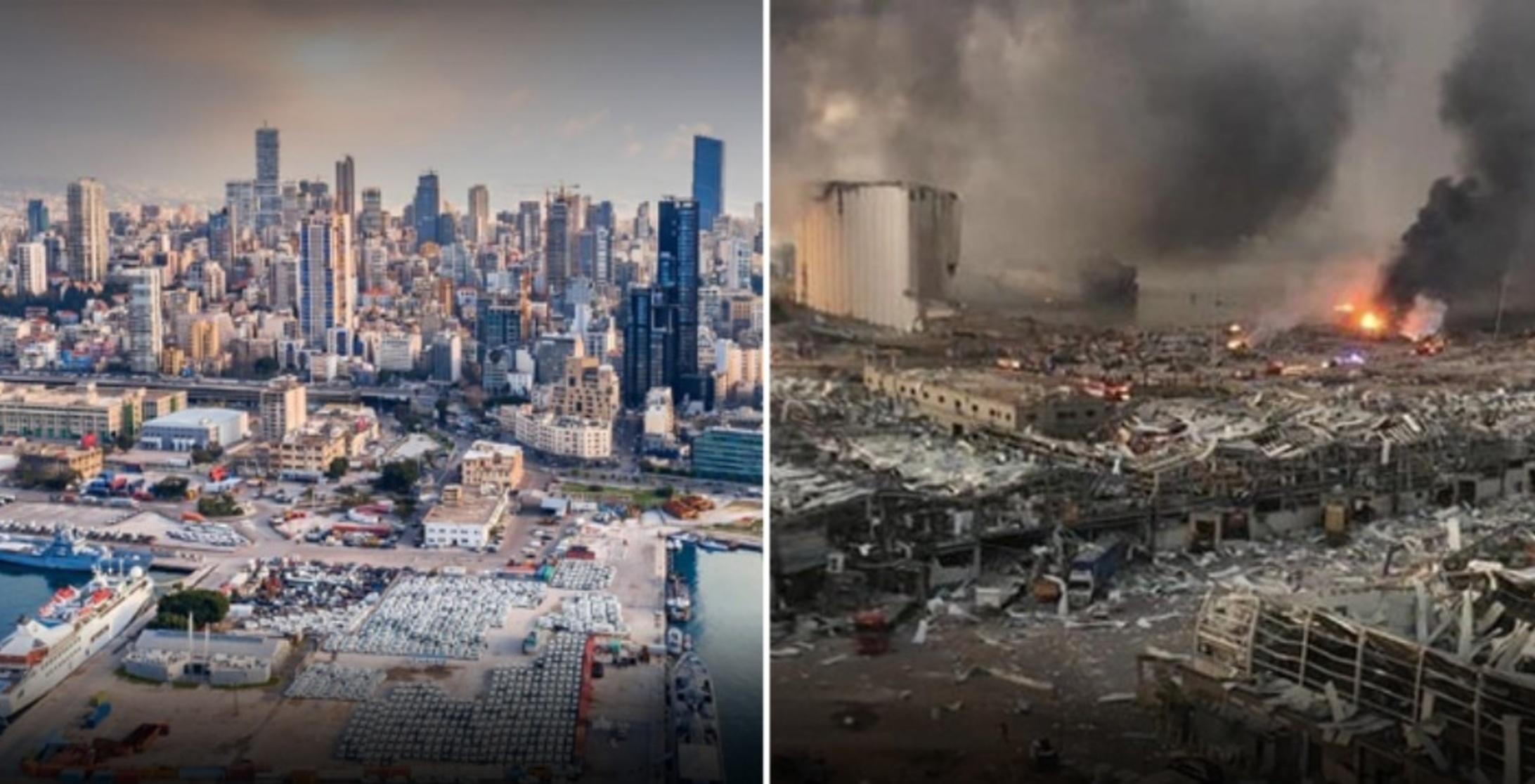
Many examples of what this new normal could look like are foreshadowed in our world today. Take Lebanon for example: their economy collapsed under the weight of multiple catastrophes and the government finally succumbed to their (often self inflicted) wounds. Whenever we hear that a government has collapsed it probably brings with it images of buildings destroyed, terror running rampant, people running fearfully for their lives, but in real life it can be much more quiet and unassuming.

A Sorted History

Looking at Lebanon can provide us a window into what we may have in store for us if we continue heading down our path of divisiveness, greed and ignorance. Lebanon’s citizens headed for the same civil war that other countries balanced on the border of in the 60’s and 70’s, and due to a lack of interference from the outside world, this civil war lasted until the 1990’s. While we were waking up to the internet, they were waking up to a new beginning of hope and peace. That uneasy peace between the people is now on the edge of failure once more as the country has slipped into a place of survival.

How did this happen? The world was convinced that Lebanon’s worst days were behind them as they worked their way past their civil war. Soon after the tribulations it became touted as “a vacation spot, a tourist mecca, home to a thriving middle class” it was a beautiful, vibrant country that felt like it had weathered the worst that fate had to offer. Underneath, however, they were still being plagued with insolence, corruption and greed, creating an economy more similar to a house of cards.

Then in 2019, a huge explosion that destroyed much of their grain reserves became the straw that broke the camel’s back. The government lost confidence in itself and disbanded, banks froze withdrawals, medicine availability dropped, periodic blackouts are the norm. 70% of the population doesn’t have enough food or money to buy food, and people are waiting in gasoline lines for hours a day with no luck and little hope.

A possible future

Their country is experiencing a collapse that could lead to them becoming a failed state. A series of events, both intended and by accident, that slowly deteriorated a society’s belief in itself and created a slippery slope for the populace. While this is happening in a smaller middle eastern country, we must not be so arrogant to think the same situation couldn’t or wouldn’t happen here.

Our size, our money, and our standing in the world allows a type of myopia that is dangerous. Focusing only on ourselves it is hard to see that our country has already broken into multiple pieces. The size of those pieces allow a mass delusion of comfort, but make no mistake, the pieces are still cracked and severed.

We may believe that we are invincible, but if we are not careful reality may be quite different than we imagine. Especially seeing as we have made and continue to make similar mistakes. We prop things up continuously, allowing our economy and our government to be hollowed out. Our constant desire for more our only saving grace to keeping this system intact. While our pasting and stapling have seemed to stave off the worst thus far, do not be fooled. Our apocalypse is on the horizon, in fact it is already here, and will feel more like a slow moving death.

Jared Diamond, a renowned anthropologist predicted this slow road to societal failure in his book Collapse: How Societies choose to fail or succeed in 2015, when discussing the possibility of a collapse of the United States. He says “Much more likely than a doomsday scenario involving human extinction or an apocalyptic collapse of industrial civilization would be “just” a future of significantly lower living standards, chronically higher risks, and the undermining of what we now consider some of our key values“. (Diamond, 2015)

Correcting our Vision

Lebanon’s shared culture and collectivism has allowed them to stave off mass chaos, but war is already on the streets and is only getting worse. Our unshared culture and home grown division will push us to the brink more quickly, at each other’s throats like a couple in the throes of a horrific divorce. In order to stop our forward progression towards destruction, we must first decide that our countrymen and women are friends, not foes. Only by bridging our divides can we stem this path towards destruction. This means creating a new social contract where we are all bound together by the things we have in common, and distancing ourselves for a time from that which divides us. We can create a path towards Belonging. The work will be difficult, but worth not losing our country or ourselves. 

Next time we investigate this path towards Belonging and the necessary ingredients we need to activate in order to move towards a more peaceful environment.