Scaling Maslow’s Hierarchy – America’s fatigue

America is exhausted.

Not just exhausted, but overwhelmed with fatigue.

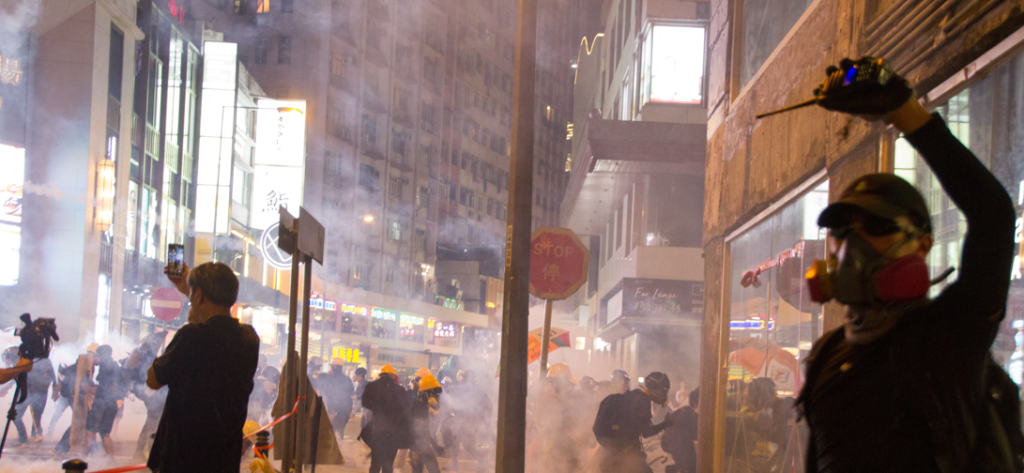
This isn’t something new. We have been tired for one reason or another for decades, but the issue has only grown exponentially in the past few years and has skyrocketed during the pandemic. Many books have been written about how we need more sleep (think The sleep revolution), and advice on how to get more sleep (put your phones in another room, get a better mattress), but the fatigue I am talking about is different than just a lack of sleep. It is an exhaustion of our current system, a rejection of our current way of life. America’s fatigue is presenting physically, but stems from a mental and an emotional exhaustion that we have not yet come to terms with.

Too much fatigue, hyper-fatigue, is dangerous to the psyche and the soul, our society and our world. We are in danger of crossing a line from which we may never return, so it is important to understand the concept of fatigue: why it is dangerous, where it comes from and how to relieve it so we can move forward towards Belonging and a better future for all.
The Dangers of Fatigue

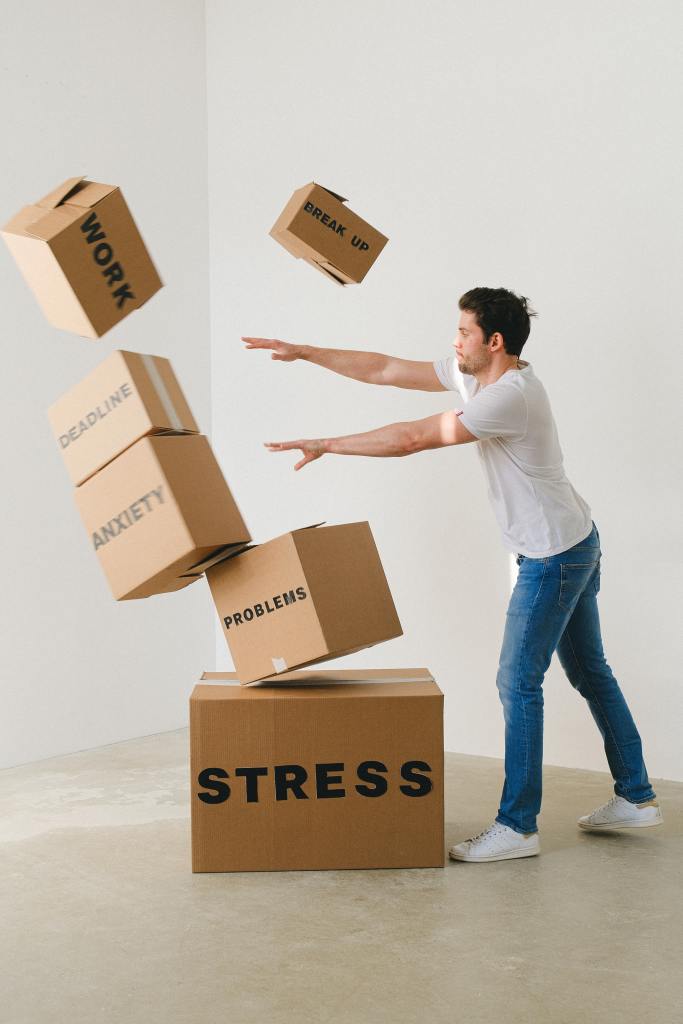
Humans do not function well under a state of fatigue. Fatigue is the inability to exert the necessary physical force one would expect their body to reasonably accommodate. (skybrary.areo) Mentally, fatigue leads to a general decrease of attention and the lack of ability to perform complex ( or worse, simple) tasks with efficiency. Fatigue causes our emotions to run out of control and present in the most negative ways: crankiness, irritability, frustration, aggression, etc. People break down in times of great fatigue, we don’t want to eat, we often cannot sleep, tears come at no notice at all and relationships suffer greatly.

People who are fatigued should not be allowed to operate heavy machinery, but they should also not be allowed to make tough decisions, be in charge of others, or be expected to solve problems until they have rested and recuperated. Fatigue can take time to expel, and often requires multiple days of rest and even sometimes counseling before it will fully dissipate. The fact that we are allowing a mass fatigue to perpetuate throughout our society is irresponsible. The fact that we cannot recognize it is scary.
Why are we Fatigued?

Americans have always pushed the envelope when it comes to “making the most of our time” or “living like there’s no tomorrow”. Our country was founded on the principle of always wanting more: more freedom, more land, more choices, more resources, etc. The benefits of this mindset is that we seek growth and always want to achieve greater heights, however, even with the best of intentions this concept provides false expectations. Unending growth is just not possible. We cannot take and never give, we cannot work and never rest, the law of the universe is that we must stay in balance. One of my favorite explanations of this is from ‘The sword in the stone‘ where Merlin explains to Wort that balance makes the world go round.

In our current world we believe that we can say NO to this guiding principle and use the concepts of money, technology and size to stress and stretch and warp the environment to strive for constant growth. Americans glom onto these concepts as guiding principles to a good life. Ideas such as “big is best”, “only the strong survive”, “money makes the world go round” and “technology is inherently good” (unless your enemy wants it too) are catch phrases that we live by with little regard for the fact that anything else could be true.

We have given our leaders the ability to trick the system because what we want is more important than what is best for all. What we do not realize is what we give up in return for this foolishness. Like Pinocchio and the boys on Pleasure Island, we are in danger of turning into asses if we do not mature enough to realize that unending money, pleasure, partying and fun is only part of the equation. In fact, we are already seeing the repercussions of our folly in our current environment by the sheer amount of different types of fatigue we are currently experiencing.

A Myriad of Fatigue

The myriad of collective fatigue we are experiencing can be separated into the following categories: Fatigue of Change, Fatigue of Expectations, Fatigue of Decisions, Fatigue of Emotions

Many of these fatigue experiences have similar sources and can also be linked back to the distractions of money, size, technology and our unending quest for pleasure. Exacerbated by the fact that we have not yet reassessed our social contract, we are also struggling to connect with what our country and society stands for. People without a country, people without beliefs and culture that tie us together, are forced to go it alone and that isolation and fear only adds to our fatigue. Our lack of connections strengthens the fatigue as we have nothing left to recharge our soul but our piles of stuff. Worse yet, we have lost our connections to the past and most ideas have lost their meaning. Without meaning and without history we are in danger of becoming nothing.

Fatigue of Change

Change is a tough concept, but one we continuously face. Change can be exhilarating if we choose it, but excruciating if we do not. Often, changes come at us and make us feel that our ENTIRE world is being turned upside down. This allows the panic and fear emotions to creep into our psyche and craft an unrealistic view of our environment. Living in a time of unprecedented dynamic change, its not hard to see how many people could be struggling with all of the differences they are faced with every day. Struggling against change causes fatigue, struggling to create change does the same.

The world has awakened and erased the borders that so many conservative Americans had tried to keep in place. Those who had created a bubble around their lives in order to keep change at bay are now struggling through ambiguity and with a feeling of loss. Not so much that they don’t want others to have what they have, but more a fear of losing what they have or maintaining their planned future for their children. Whether or not these fears are irrational or unfounded, intercultural misunderstandings and a lack of awareness and understanding in general have created an uneasy, unfamiliar environment that this group is struggling to rebalance.

Others formerly ostracized for different reasons have now gained a sense of power and are ready for change and opportunity. While happy with the change, it feels like a constant fight; one that brings with it waves of weariness, anger, and pain. Change feels too slow at times, but also can bring surprise when the boundaries once believed to be static are constantly pushed by those wanting even more.

Lastly, a worldwide fatigue has grown from the mishandled and misunderstood pandemic still plaguing us all. Not sure who to listen to, what to believe, or even what to do, many have simply given up and are living with a “Que sera, sera” mindset. Unfortunately for many, this turns deadly and is often irreversible. Still, “revenge” is the new norm whether due to a new appreciation of life or a subconscious death wish and our insatiable desire for “normal” is exacerbating so many other fragile systems in our lives. See how dangerous fatigue can be?

Fatigue of Expectations

Our fatigue has also led to broken down systems in other ways. Our expectations of what life can bring, of how we should treat each other, of expertise and what it means, how we should care for ourselves – all of these have been turned upside down and often we live in a land of opposites compared to the world that existed in my childhood.

We are tired of being polite, tired of having manners, and do not understand why life was ever so stuffy and controlled. Decorum has lost its meaning in many ways, and often we are only concerned with how others made US feel, not the other way around. We have expected so much of ourselves that we cannot go any higher. Men must be soft, but still able to be aggressive or protect their family at the drop of a hat, women must be superwomen able to do everything a man can do; biology be damned. Overtly, these ideas are not unreasonable in theory, but the expectation of always being ON and never being able to stop is contributing heavily to our mental health epidemic.

Expectations are also overblown in terms of what we are supposed to care about. Empathy is great, I highly recommend it, but we expect ourselves to be able to constantly care about the entire globe every day. An extremely unreasonable expectation, it has caused us to go around the bend all the way back to having to recreate awareness. While humans are a compassionate species, evolution takes time and the invention of the television and the internet have not happened so long ago that our emotional capacities are able to keep up. Trying to care continuously, always being faced with someone somewhere needing care, has stressed our capacity to the point it has broken. This has caused us to turn inward and unleashed a tidal wave of selfishness that is circling the globe. If we cannot care about everyone then we decide to care about no one.

Fatigue of Decisions

The overabundance of data, media, and options has choked our ability to make decisions. The instability of our leaders and the constant disagreements between experts has left us feeling cheated, and caused us to stop listening to anything but our darkest selves.

Those out of work are struggling to make the necessary decisions to make ends meet, those who never stopped working are exhausted due to living in two worlds. Work has become so hard that many people have left, some without any idea of what the future has in store. Anything is better than what we have now, they think, but have no idea what they really are searching for and no idea how to make the decisions to get them there.

Fatigue of emotions

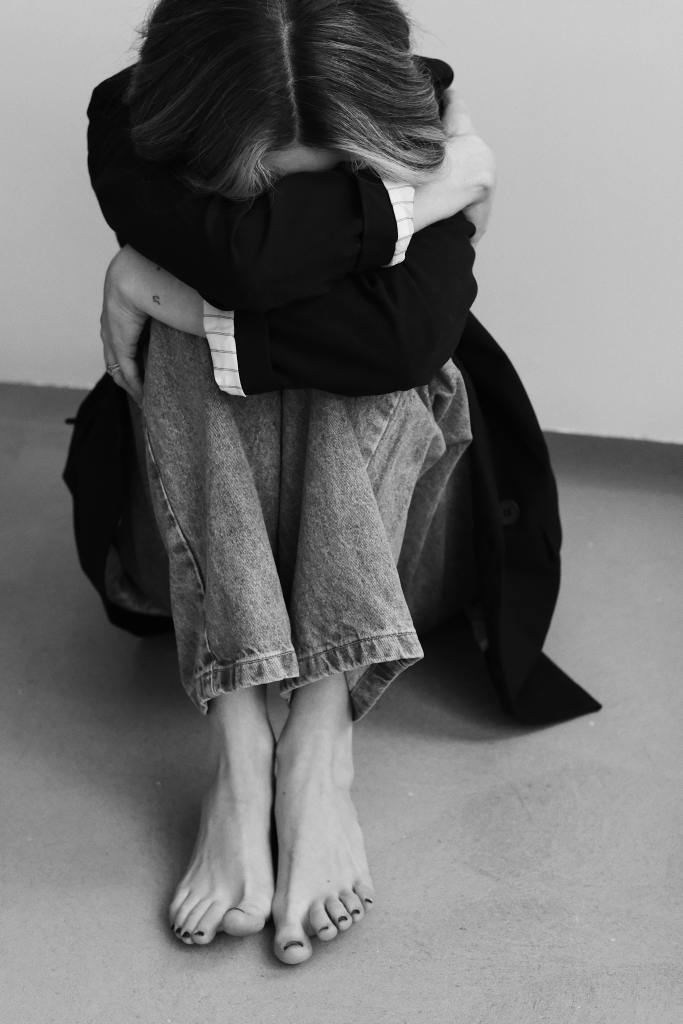
All of these stressors have cracked our desire to feel. Fatigue of empathy, but also fatigue of emotions in general. We do not want to cry, and little makes us laugh. Anger wears us out and creates a hole in our heart unable to be filled. With everything going on we have no one to share it with because we constantly feel misunderstood.

Depression is cured for a bit only when drowning in wine, drugs or streaming services. Eating comforts, but then we feel guilt and then back to depression we go. Relationships have grown so hard that we would rather not try. Why open up and try to connect when we will have more trouble dealing with both of our emotions that we do with our own?

Even those determined to go out, to live a normal-ish life, feel ostracized by the masses and angry that they have to deal with all of this. They “revenge” themselves in any way they can, but little brings back the joy they remember from before covid. Those unlucky enough to have it rough before find it even harder to find hope for the future.

Regaining Balance

As we have seen, a world-wide lockdown is not possible, neither for our psyches nor our economy, so what else can we do to get our rest? How do we regain our balance and dissipate our fatigue? By being very specific about our path to healing.

The first thing we must do is re-center our Empathy. Instead of caring about everything, or only caring our ourselves, we must reassess our empathy circles. Perhaps that is just you until you can heal, but have a plan to add others back as you do. Maybe focusing on yourself still allows you to open your circle a bit including your partner, your child(ren), your pets, your family or a friend as well. Keep the circle small until you can feel your strength returning. Make notes about other ideas, people, events, or concepts you care about. As your capacity grows, as you start to regain your health, add them back slowly as you are able. Yes, some things need our assistance now, but overstressing and not being able to act because we are too tired does no one a favor.

We can learn to coexist with change, examine our expectations, deliberate tough decisions and embrace all of our emotions, i is possible and I know the way. With help we can start to regain balance, feel less fatigued and more energized, and gain fulfillment in our lives. The answers to our fatigue are found in the concepts of the Essential Elements of life and they can help us regain our health and our strength. Learning them, understanding them and integrating them into our lives helps us create a path towards longevity, happiness and contentment.

Next time we will discuss another element necessary to create an environment of Belonging that leads us towards Integration. Until then, please take care and get some rest 🙂


Scaling Maslow’s hierarchy – Part Two

Our current level is Safety.

We’ve been here before.

In fact, we have been on a rollercoaster of sorts throughout time, continuously drifting up and down Maslow’s hierarchy over the centuries.

America is not unique in this journey as every nation and empire has followed a similar path; the main difference coming from the choices of the people. Cultural proclivities such as attitudes about technology, conservatism, time and change are additional influences that affect one’s trajectory. When something new enters our world we tend to recalibrate in order to accommodate, reject or integrate with the new concept, trend or group.

Recalibration opens up the possibility for power shifts and these shifts then push us from one level to the next. Today, these recalibrations seem almost constant. Change accelerates today faster than any other time, which is jarring, but also gives us the ability to see the patterns more easily within our lifetimes. We can use these patterns to create a better future, however before we can talk about the solutions, let’s take a look at our historical trajectory to provide some context for our current environment.

A Walk through History

Looking at recent decades in American history we can start to see a pattern of collective shifts between the hierarchy’s levels. While we could trace this path back centuries, it makes sense to start with a time most Americans find familiar. Let’s start in the thirties with the Great Depression.

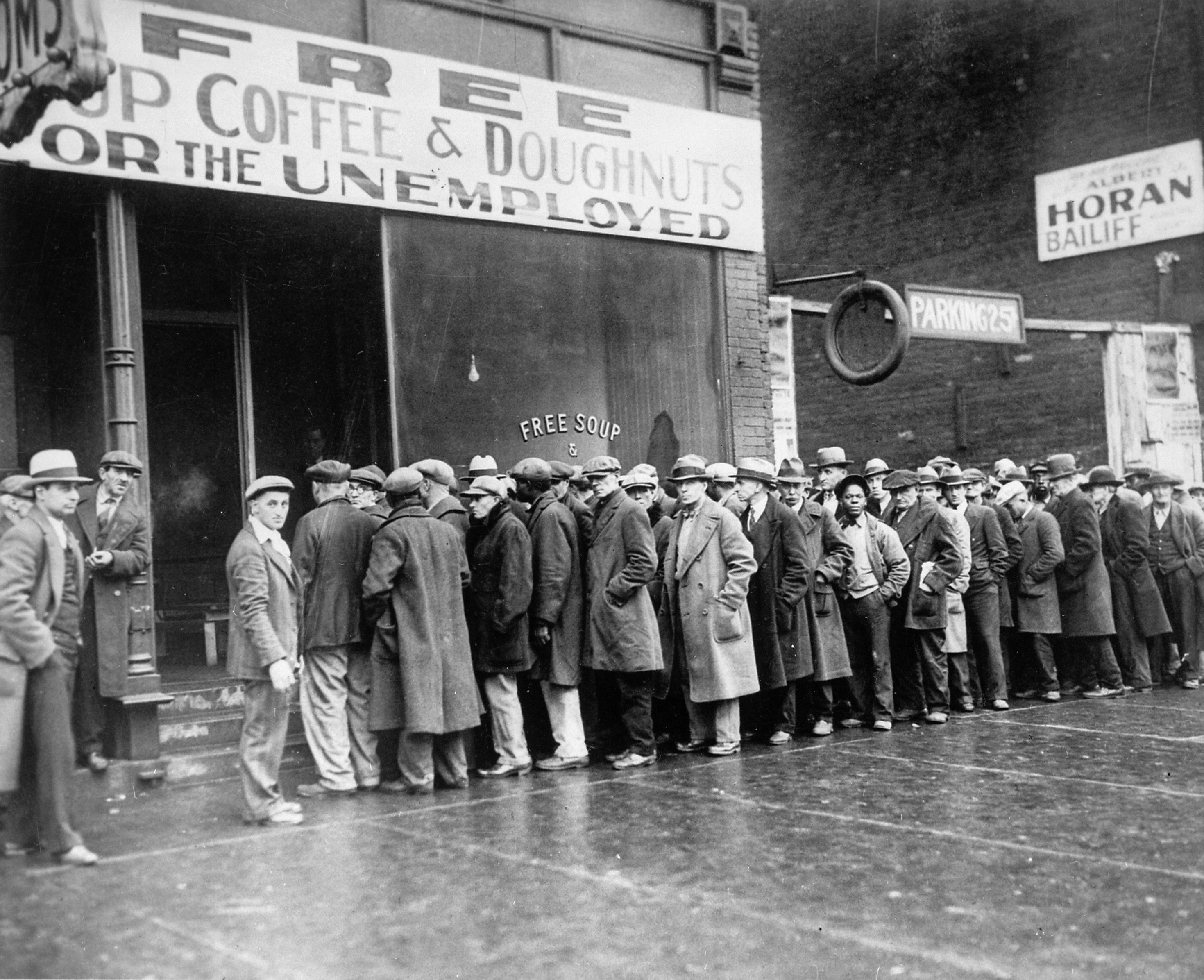
A Depressive Sink into Survival

The Great Depression (1929-1939) would have been a harsh reset into Survival from the highs of the twenties. Many with the most to lose felt a lack of hope so great that they ended their lives rather than have to start to build again. A “Gilded Age” of strong economic and technological growth had been rising since the 1870’s and seemed to offer the masses a promise of a better future.

Unfortunately, hubris grew high and we allowed our greed to blind us from seeing reality. Little to no regulation coupled with a desire for opulence toppled our over inflated economy, and our country paid a high price once everything fell. Today, the Great Depression still lives in our minds as the worst economic situation we have faced as a country. A time of struggle, where so many suffered that we made a collective promise that we would never allow it to happen again.

A bread line in the Great Depression
Storming the beach

World War II saved us from the survival mode of the Great Depression, and drove us quickly into Safety. A war we didn’t want finally showed up at our shores and overwhelmingly we all became Americans who had to defend our nation. Americans were asked to sacrifice for their nation by giving up the little luxuries they had left. Volunteering for the war effort was a source of pride because everyone was doing their part to keep our borders safe.

Laws were passed during this time to provide a safety net for those who had suffered through the Great Depression. Before the war America was not a super power, we had yet to become the biggest kid on the block, so there was a lot of fear that we may be taken over by another nation if we didn’t get this right.

Post War Reset

WWII provided a sheen of belonging; one washed away quickly at the war’s finale. While we had won and it was a time to celebrate, soldiers came home to see their world had changed (or had not changed enough). Women were working; men had to fight for their jobs. Reality set in and the ever growing middle class was still out of reach for those who looked different from the majority of the population. While one could say the sheen of Belonging was purposely promoted as a guise to gain America victory, more likely it was a bout of wishful thinking that allowed us to run head first into disappointment. It sounds good to promote equality, to say that we are all in this together, especially when we had all been in the same trenches, but reality is much more than words and thoughts.

Trust dipped for “outsiders” more than it had during the past decade because we were back in control and there were more resources for the taking. Our population was fragile, and it was easy to create enemies. A once tentative partnership with Russia, so important for winning the war, was torn to shreds. Sputnik and Communism would be the death of us all, and Space became the final frontier.

A Recalibration

Fear has two sides and the push for a reversal to the way things were before was just too much to bear for the groups who had gained so much freedom during the war. Pandora’s box had been opened and we had all seen too much as a country to let progress be stopped. Civil rights, the women’s liberation movement, opposition to the Vietnam War, Mexican American’s fight for rights, environmentalism, and equal opportunity for people with disabilities all had huge movements in the sixties. Counterculture, they called it; Equal rights the request.

A huge movement towards progress was promoted by those marginalized and it pushed for a collective sense of Belonging. “Make love not war” was the slogan of the decade. Hope and Change were the ideals of the masses. Belonging had a good run during this time and lasted into the seventies, but not because we were heading to a utopia. We held onto hope as we moved towards the seventies because the sixties were also a time of pain. So much pain hit the populace in the late sixties with the loss of great leaders and the collective struggle to gain acknowledgement that we all felt Empathy for each other and for our nation.

It didn’t last long. In fact, the seventies brought with it a slew of alternate realities. Empathy started to dissipate amongst those who fell through the cracks. Crime rose as the promises made to many never fully materialized. Our leaders struggled to find a way to keep us from sliding back down the hierarchy. They offered us sports, toughened our laws and reopened Wall Street.

From Hippies to Yuppies

Money in the Eighties created a smoke screen where many were lulled into a sense of Esteem. The world seemed ripe for the taking. Technology was overtaking the world and everyone wanted a piece of the action. Our issues seemed to dissipate with many in the mainstream believing that sexism, racism, and all the other “isms” were in the past as the best, brightest and luckiest of our subcultures saw a jump in upward mobility.

Freedom was on the menu: we could wear what we wanted, act how we wanted and it seemed like anything was possible. Independence was felt in the laws of the land all the way from mass deregulation to the greater acceptance of divorce. My childhood told me that we could be whomever we wanted to be as long as we worked hard enough.

Belonging with a twist…

Resiliency is a double edged sword. Once again, the broken promises of the eighties were felt in the nineties and still our country was not reconciled, but many of us growing up during this time saw something else. To us, it was a different world where it didn’t matter if you were Black or White. Where we all wanted similar things at our core, yet wanted to learn about each other’s differences. The nineties became a world of mass customization where individual stories gained importance and people of subgroups felt safe enough to become who they really were instead of living up to a cookie cutter existence.

The adults saw it differently and as the saying goes “what goes up, must come down”. The idealized world that was on the cusp of existence became too much for those in power to handle. They saw a world growing out of their grasp, a sea of different cultures that had more in common with each other that could take their power away. Companies were allowed to take what we once loved dearly and commercialize it; creating a world once again bathed in plastic meant to keep everything the same. Once the internet was commercialized the lure of it was too much for the masses.

The Beginning of the End…

So started our downfall. Fear grew as the year 2000 approached, and, coupled with the attack on the World Trade Center, our world again became fragile. There were those that worked hard to remind us that we are all Americans and with slogans like “Hope and Change” and “Yes, we can!” we held onto Belonging for awhile but it was too difficult to keep.

The pressure, and the responsibility, was just too great. If one has not reconciled their own pain it is difficult to push a narrative to others and our country had never truly healed. Pressure causes cracks, and the current pressure heaped upon nations seen as global leaders today is the heaviest yet. Our “experiment” could not yet be called a success as our populace was not ready. Every side is ultimately concerned with getting what they are “owed”. Hurt emotions stemming from our past are still too difficult to overcome, and impatience with groups that have differing views has eroded the little trust we had built. We spiraled into a land of ambiguity and pain where our fear of real change and our lack of growth has caused us to slip decidedly into a land where Safety matters most.

Tunnel Vision

Living in Safety shrinks one’s “bubble”, causes tunnel vision and allows us to stop caring about our neighbors because we see them as a threat instead of part of our community. Fear of change feeds upon itself and conceived dangers trickle into every aspect of our lives. To combat these feelings we enact more laws, strengthen police, and create new boundaries and divisions to help us gain control. When these boundaries do not hold tight we lash out in anger at our perceived loss of self-determination.

Laws can force us together, but they cannot remove our emotions. Emotions need to be reconciled to create a place of peace, and this reconciliation is easily derailed. Each time we recalibrate we have new emotions to reconcile and our fast pace world makes this difficult. Progress has brought diversity, which is great, but as we have blended our multiple cultures emotions become more complicated.

Groups must storm before they can norm and without assistance this work can be overwhelming and bring about distrust. New fears crop up as we are pitted against each other, all fighting for the same scraps that we are allowed. Fear of not losing all we have built has overtaken our desire for Belonging.

Manifesting Safety

The safety zone is characterized by an overwhelming sense of desire to create a safe place for yourself and loved ones. Not just desire, but one of urgency and need. All of our emotions, brainpower, ideas, the entire way we see the world are consumed with this viewpoint. Maslow states, “A man, in this state, if it is extreme enough and chronic enough, may be characterized as living almost for safety alone.” (Maslow, 1943)

Many times we head back to the safety zone if we have been pushed out of our current comfort zone or are heading into a new environment. Today’s environment is new for everyone and some handle ambiguity better than others. Think of the acts of aggression we continuously experience through our screens. Many of these acts come from a place of fear of losing control. We see this with the parents that have turned into activists, yelling emotionally on the subjects of masks and vaccines. People who feel a lack of control, who may otherwise have things together, will lash out when their control is challenged.

Other times such actions can be characterized by a fear of losing face. This fear grabs hold of our minds and makes us believe that everything we once knew will now be considered wrong if we accept the new idea. For example, a lot of Americans, many of them White, are struggling to accept that America has a flawed and racist past.

Doing so, they believe, would mean everything they work for, everything they stand for, everything they know and find comfortable would then be tainted. It also means they have more work to do to explain this to their children, balancing their self esteem with the burden from one’s past. We ask a lot of parents today. Coupled with our trends for nixing nuance and context, we live in a world where something tainted is rarely redeemable. This causes a cycle that we cannot escape and pushes us further into our respective corners.

The mainstream has become flooded with our desires to stay safe, or find control. Safe spaces at universities, “segregated” graduations and most of our parenting trends have all sided with Safety over Belonging. Militarization of our police, doorbells with cameras, laws that uphold cultural or religious battles, cold case podcasts, and the overwhelming amount of crime shows, are all examples of our obsession with Safety. Investigations into the Catholic church, #metoo, Gymnastics, Facebook and others all center around the idea of keeping us and our children safe.

Painting a Picture of Reality

We live in a time where Safety and security is important because we have a fear of the future. Uncertainty causes us to see everything as a threat and it has now infused our society. This is not to say that threats are not real, and we do have a right and an healthy expectation to live in an environment with less harm. No one should have to live in fear for their life.

However, Safety is not a place to stay and in order to change we need to be aware of our tendencies. Moving into Safety starts a slippery slope, one that we can only consciously choose to be different. If we do nothing, Survival is on the way, and no one would choose that except those with a death wish or an immense amount of greed. If we take stock, realize where we are, and implement ways to bridge these divides we can shift towards a new sense of Belonging. My hope is that this group of essays and the teachings of the Essential Elements of Life will help us see that it is better to move towards each other than further apart.

Next week we will take a look at Survival. It’s just around the corner, but we can stave it off if we try. However beware, there are tradeoffs with everything and Belonging will not be easy. Join me again next week as we unravel the patterns that connect us all and find our path forward together.

©Maven Source International, LLC 2021 – All Rights Reserved

Scaling Maslow’s hierarchy – Part One

What if the answers to solving our problems are right in front of us? Maybe we just need to take another look. Reaching into the past, seeing ideas another way, can help us uncover how best to move forward. This has been my focus for the past few years, and here I will attempt to describe my findings in the plainest way possible. This series will dive into the details of Maslow’s theory, what it is, where it came from, and most importantly, how it can be used to help us understand the mysteries of our current environment. Using this as a prism, we will examine our past, the path we took collectively to arise at our present, and what our options are for our collective future. Part One provides an overview of the theory and sets the tone for the remainder of the series.

Maslow’s hierarchy of needs

Many people have heard of, or have even studied, Maslow’s hierarchy, but often it is nothing more than a mention of human behavior or a short blurb in a text book. Rarely do we truly understand it at it’s depths, or what it really looks like in practice.

Maslow’s hierarchy of needs is an idea in psychology proposed by Abraham Maslow in his 1943 paper “A theory of Human Motivation” in the journal Psychological Review. Wikipedia

Maslow’s Hierarchy

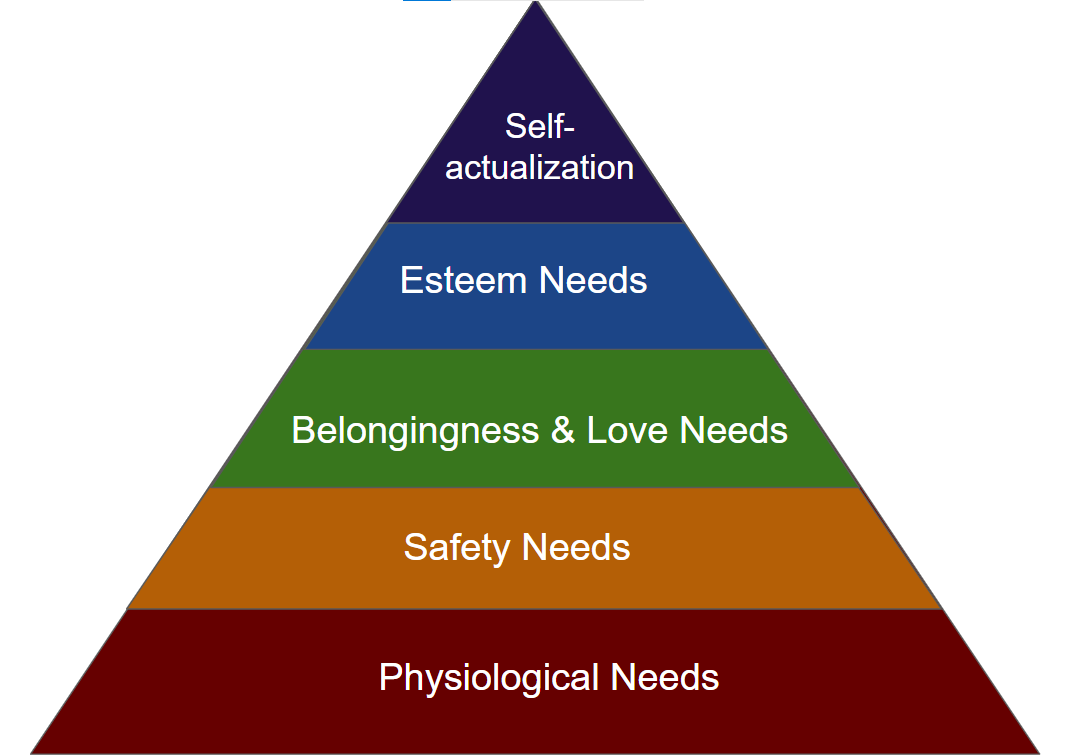
Comprised of five levels: Physiological needs (aka Survival), Safety, Belonging, Esteem and Self-actualization, Maslow’s hierarchy is seen as a way to explain our trek through life. Seen as a pyramid, each level can be compared to a video game, where each level must be completed prior to focusing on the next. Each level is so consuming that even if the needs above are offered the subject may ignore or not understand them as they focus on the level they are working to satisfy.

Understanding the Pyramid

  • Survival focuses on obtaining a consistent influx of the necessary things we need to survive: food, water, shelter, rest.
  • The Safety level concentrates on keeping that consistent influx secure as well as creating an environment where one does not constantly live in fear.
  • Belonging awakens our need to fit into a community, to find a partner or a group and create a family where one feels loved and is able to give love to others.
  • Esteem brings with it the desire for respect and a need to be seen for what one can provide to their communities and to the world. When working on the esteem level we become focused on our reputations, how the world sees us and what we are able to achieve in life.
  • Last, but not least, if one is able to attain each of the previous levels they will then move on to self-actualization. Maslow describes the desire at this level as “what a man can be, he must be.” (Maslow, 1943) This level’s goal is “self-fulfillment” or living up to one’s potential. The epitome of being able to create one’s best environment in which they can thrive.

Two sides of the coin

As with most things, each level comes with their own tradeoffs, as well as repercussions to ourselves and our place in society if we are unable to meet them.

  • Not meeting survival often means a cessation of one’s life or at least their ability to care for themselves. When one must solely concentrate their day on getting enough food to eat, a place to sleep, enough rest to function and clean water to drink there is little time for anything else – even with the best of intentions.
  • Having the basics, but not feeling safe, leaves one anxious, fearful and constantly on guard.
  • Struggling to reach belonging, something many people suffer from today, leaves people with a hardened heart, a lack of empathy and a spiteful outlook on life.
  • A lack of esteem, or the inability to seek and/or discover one’s purpose leaves us with a feeling of inferiority, a low self-esteem, and a horrible sense of depression. We feel we do not matter, are not needed, and have no direction.
  • An inability to reach self-actualization creates a feeling that one has failed at life.

A Shared Experience

Normally, Maslow’s theory has been focused on an individual perspective; something each of us work through during our lifetime. However, I believe that throughout history, all humans have worked to fulfill these needs both individually and as a group (comprised of one’s family, community, nation and/or world) in both conscious and unconscious ways.

Our world is an organism, and has many attributes that we could ascribe to a human being. Many theorize that we also have a shared consciousness affected by our feelings, thoughts and actions. Our world can grow to be harmonious or hellish depending on what we value, how we treat each other and what we digest. Just like we need to keep our own bodies healthy, it is extremely important for us all to keep our nations healthy as well. Given the ability to be healthy and find fulfillment, we then collectively are able to have empathy for our neighbor and want our citizens to attain their highest and best.

However, when our bodies are sick we do not function well and become divisive and angry. Illness leaves us often unable to think clearly and we portray negative emotions such as anxiety, fear, stress, depression and judgement. The same happens to our society when we have an inordinate amount of people in our community that are unwell and are struggling to be well. When we have many who are unable to achieve the basic needs in life, feel safe and feel like they belong, we will all suffer the consequences sooner or later. This is why it is important to study our society as a whole using these theories to provide us a lay of the land.

Why this matters

Seeing the world in this way allows us to formulate an understanding of the problems we face. While one theory is not the entire answer, this theory allows us a place to start. We will discuss other theories in future series and compare and contrast their affect on our world. As we see the connections and overlaps, we can start to construct a holistic view of where our nation is struggling and how best to overcome these obstacles to self-actualization. Seeing the truth of the matter helps us to create plans that allow us to diminish these issues.

For example, the Essential Elements of life focuses on helping our Explorers navigate the levels of Belonging, Esteem and Self-Actualization. With our Finding Fusion programs we help people to shed the layers of stress, find fulfillment and create a balanced life. Knowing where you, your community and your nation are at collectively helps us see where to start. Learning the necessary skills to move up the levels can help us find other ways to raise our collective vibrations and create a collective future that works for everyone.

Next week – Part Two – Our current level is Safety

©Maven Source International, LLC 2021 – All Rights Reserved