
An Analogy
Want more information? Watch our Stepping Stones, Understanding One’s Self & Exploring Our World to dive deeper into the Essential Elements of Life
Ready for more? Join our Finding Fusion programs
An Analogy
Want more information? Watch our Stepping Stones, Understanding One’s Self & Exploring Our World to dive deeper into the Essential Elements of Life
Ready for more? Join our Finding Fusion programs

It’s all over the place…we want to “matter”. In this time of change, we are questioning why and how we matter to this world. But what does it really mean? We will dissect it all together…the what, the why, and the how.
A few months ago, I was invited to sit down with Angie Gitner, the Girl with the Purple hair on her podcast “the girl with the purple hair talks business”. We had a delightful time talking about the concept of entrepreneurship, learning the Essential Elements of Life, and AFDA.
It was released yesterday and I am pleased to share it here for your listening pleasure 🙂
I would love to hear your questions and/or comments. The beginning I felt a bit shaky, but over time it became a wonderful experience; one I would definitely partake in again if given the chance.

Why do so many people feel so “out of sorts” in today’s world?
Because it has grown so complex it can be hard to find our balance.
This causes us to feel “stuck”. How can we change this? Find out more below.
Take the first step to find out more here

Belief: a state or habit of mind in which trust, or confidence is placed in some person or thing. Below are some of the main tenets of the Essential Elements of Life – common sense ideas and concepts necessary for living a fulfilling life. What are your opinions on the truths that are below?
We MUST discover and enhance our relationship with Change, or we will forever be anxious or depressed.
We can work to remove the belief that one cannot change or manage change with ease.

Expectations will happen no matter what, but should be managed carefully. Standards are helpful, but held too tightly aways cause pain.
Finding the source of expectations helps to provide a place to decide whether to live them, reject them, or correct them.
Belief in unrealistic expectations causes grief that often leaks into one’s identity.
Decisions will make themselves if you let them, but often when it is too late and not in one’s favor. It’s best to give time and thought to a decision to correctly set one’s sail. Our souls know the decisions we need to make, it’s up to us to listen as all of our answers lie within. Make decisions that help your purpose manifest.

It doesn’t matter how one feels about emotions, they are not going away and therefore must be understood. We CAN find ways to diffuse, process, and release emotions effectively. Coping mechanisms help, but realize used too much can become addictions themselves, so moderation is key. Use them wisely to continue forward on your journey. Empathic Healing sessions can help.


Be Curious: It’s the only way to start the cycle of knowing oneself. Curiosity about the world turns to understanding others, thereby clearing a path to understand oneself.
Curiosity didn’t kill the cat, it just helped it transition from one type of life to another.

Culture is a fancy way for defining what we feel is “normal”. Normal is different all around the world, and even inside the bounds of nations.
Defining one’s own culture helps us find our place in the world. Being curious about others culture helps create communal bonds. Understanding “Why” helps people create a space of trust and that can help society prosper.

Humans are fallible so focus not on creating heroes, but on emulation of the attributes that made them heroes in the first place.


All visions do not have to manifest, or even happen exactly as planned, but we never get anywhere without first having one.

A rhythmic balance of yin and yang energy full of respect, sacrifice, and love creates the tightest unions. Tiny secrets don’t hurt either, stay spicy.




A thriving community is created by a balance of personal responsibility and collectivity. Groups will form boundaries based upon shared cultures, but they should be more like the division between water and air than made of bricks and stones.

What do YOU believe?
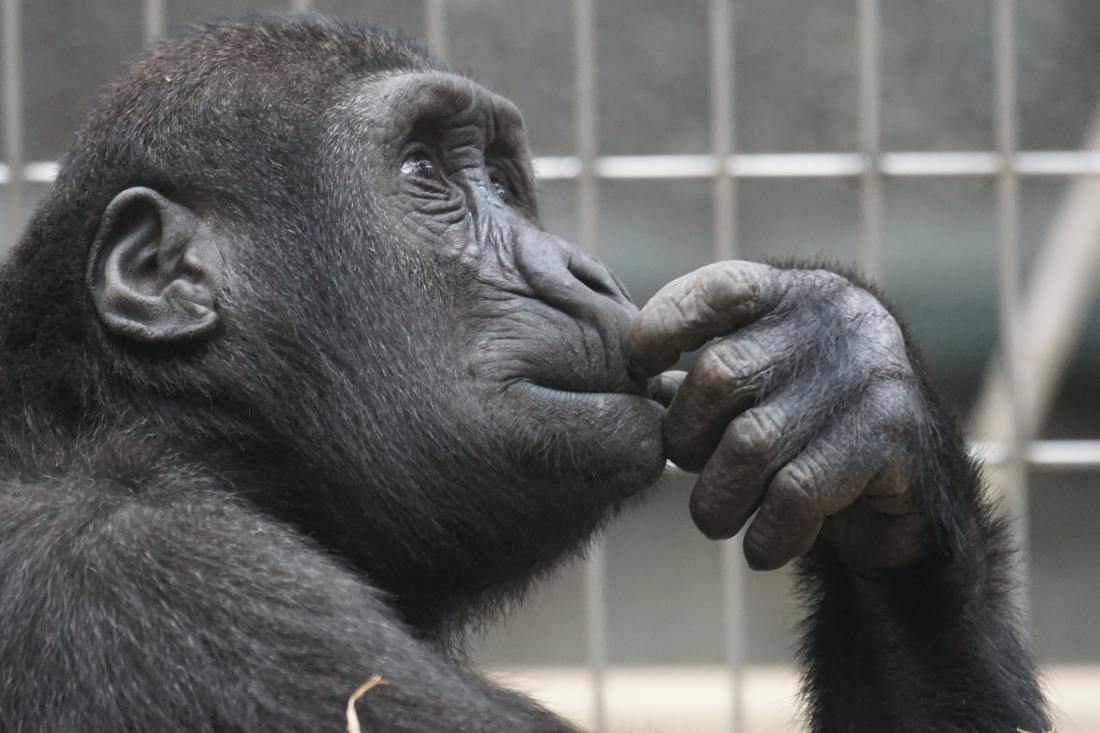
Survival of the Fittest. A phrase tossed around so often that over time its original meaning seems to be lost in translation. Let’s talk about it for a bit to see if we can straighten it out.
What comes to mind when thinking about “fit”? Possibly something like this…


Or this….
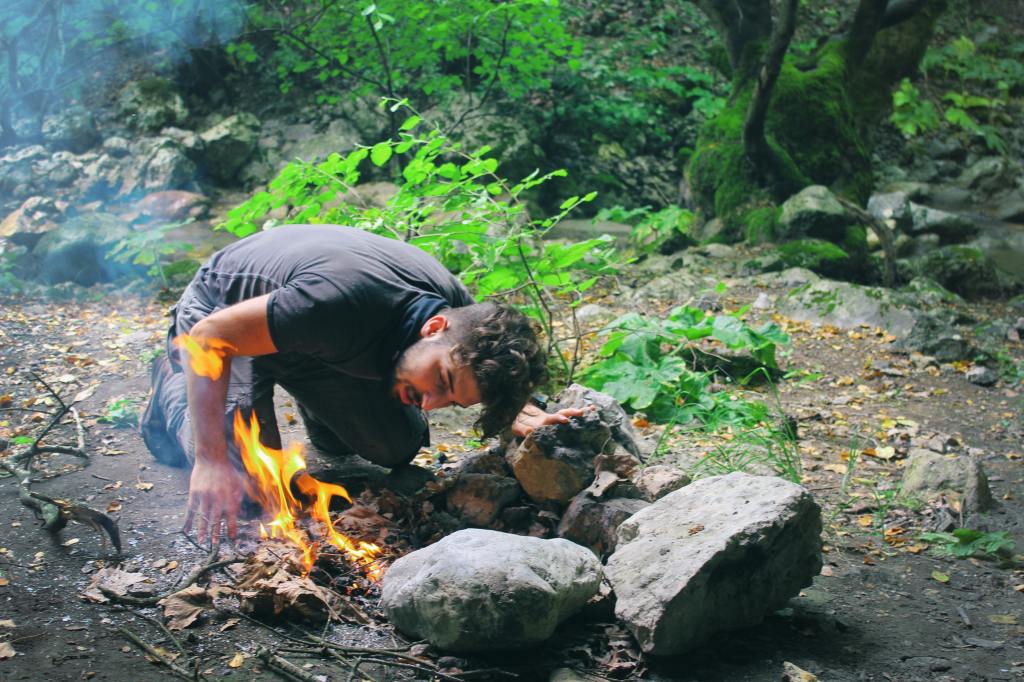
Or even this…
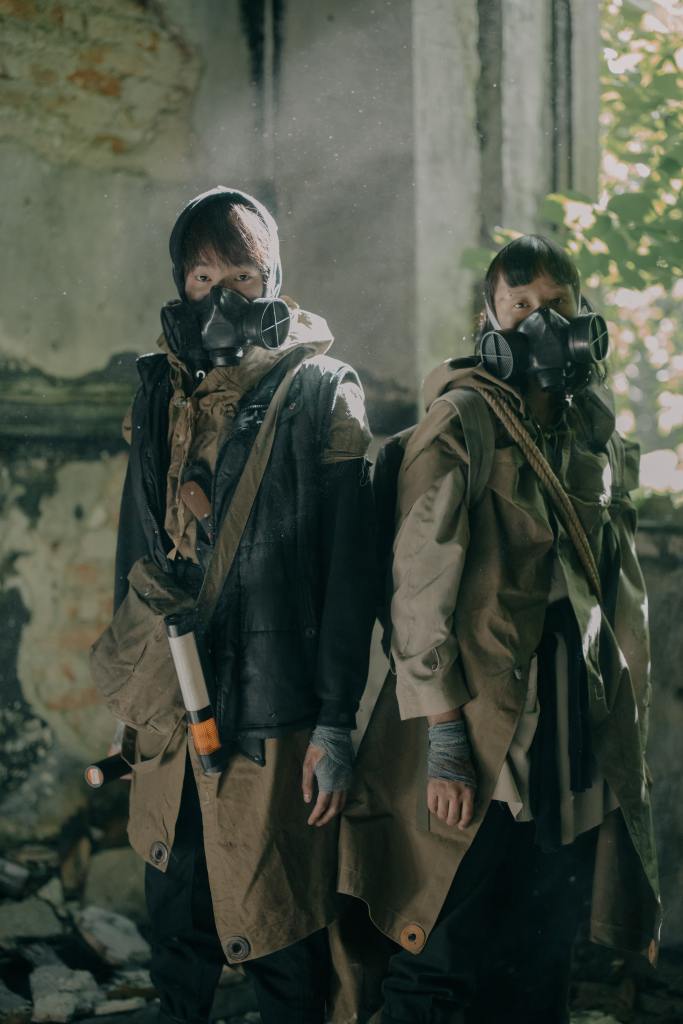
Makes sense. All of these concepts have something to do with being “fit” at least in our cultural definition of the idea. However, in our currently shifting paradigm, we must look at the connections between these viewpoints and see that it is the ability to adapt that helps one survive through almost anything. Adaptability… resilience…strength…this idea can be framed differently depending upon the context, but the end result is similar – and we can use the Essential Elements of Life™ to help us manifest this state within our own lives. How? Follow me on a little journey to find out more…
To start, let’s take a look at the theory that spawned the cliche. Where did this theory come from? Well, we can thank Charles Darwin for bringing this phrase into the mainstream, way back in the 1850s. A man of God, but scientifically curious, Darwin took many chances in his lifetime by sharing his scientific ideas, theories, and research with the mainstream. He struggled to connect what he believed in with what he could see and spent his life working to reconcile the two ways of life.
Of course, once a theory is introduced to the world, other humans come along to misconstrue it, and this happened often to Darwin. Many of Darwin’s theories have been twisted over time, but none more detrimental to the ACTUAL survival of our species than his ideas regarding the concept of survival and of being fit. His work on the Galapagos Islands focused on why animals thrived there, away from so much of the world. His research on finches, and their extraordinary adaptive existence even from other types of finches on the island, led him to discover that: individuals of a species are not identical (Darwin).
There were three other major theories he surmised:
All of these ideas focus on “adaptability” as a strength, rather than strength as a means to an end.
The original definition of “survival of the fittest” says: “the continued existence of organisms which are best adapted to their environment, with the extinction of others, as a concept in the Darwinian theory of evolution” (oxford languages). This doesn’t specifically mean strong, it means capable; it doesn’t mean power, it means adapting effectively in order to allow for the survival of a species. Essentially, Darwin surmised that the fittest individuals who are able to best adapt to their environment “will leave the most copies of itself in successive generations.”(Spencer, 1864)
Survival can mean many things depending upon where we live, how we live, and which level of Maslow’s hierarchy we exist within during different phases of our lives. Personally, I have struggled with the idea of survival meaning “reproductive success” as I was someone born without the ability to reproduce. For whatever reason, as there is nothing specific in my past to pinpoint where my issue started, it was not in the cards for me to be consumed with the survival of my own offspring. It wasn’t easy, at first, to accept this idea, and I fought it for quite a while. However, after a few years of stress, trials, tribulations, more stress, tears, fights, pleas, etc. I have been able to work through this and find peace.



While it wasn’t easy, I share this not for pity, but for clarity. Many people (although the trends are definitely changing here), accept the fact that they will have children and those children will become the focus of their lives for different periods of time. Some want children to carry on a legacy, others find joy in caretaking, some want a chance to help a human grow in a healthy and happy way, still others want them as an insurance policy for old age. ☻ I wanted all of those things and more. Once I accepted it wasn’t going to happen for me, I had times of depression, self-doubt, and eventually resignation.
Thankfully, my story didn’t end there. Our souls were meant to create, I just had to come to the conclusion that my “creation” would be something besides a smaller version of my husband and me. Working through the lessons added to the Essential Elements of Life™ (before they were an actual philosophy), helped me to discover my actual purpose. This in itself was a form of “adaptability”.
Some people, once they find a goal, can become obsessed with that one thing. I have spoken with so many people, and read so many articles, comments, and threads, filled with people desiring ONE outcome (a baby, a certain school, a particular person, a specific goal). Believing this is their ultimate purpose, they are set on never moving forward until those things are attained. The longer this goes on, the more desperate they become, and they can easily become consumed by regret (if it never happens), spite, or even disappointment (when one attains the goal but turns out it wasn’t really what their soul was searching). All of this feeds upon itself and leads to many unhappy humans.


Adaptability seems unrealistic to these unhappy humans. Changing course seems unthinkable, and this has led to a multitude of our species simply giving up. This is who I am working to help. To show people who feel stuck that, like me, they too can find a way to find fulfillment even if things haven’t worked out perfectly (or even close).
Sacrifice is difficult because it almost always brings with it pain. Living creatures spend a lot of their lives moving away from pain and towards comfort, always updating their environment to help provide the most comfortable way of life. To illustrate, let us think of life as a game where each phase of life is a different playing field.
Life puts obstacles, adventures, and mishaps in our path to teach us what we need to know to get to a new level. Only then, once we have learned these lessons, can we step up to a new challenge and progress to our highest potential. But these obstacles, adventures, and mishaps take work, energy, and effort to conquer. This is the tradeoff of sacrifice – we give our energy to understand and clear the hurdle and we are then rewarded for our pain and suffering with wisdom and hopefully a better circumstance.
If we decide that we do not want to sacrifice, then we have to find ways of getting around, mitigating, or avoiding the obstacles we come across. When humans feel stress, it makes them feel that they are already sacrificing just by being alive and making it through each day. Many people give up or don’t even want to try anymore. Many feel that the playing field has been tampered with or booby-trapped, and there is no fair way to win. This is the current state of our world.
I understand this, and in some ways very much agree, however, I know a secret. I know how to win because I am winning, and I have spent a lot of time finding out how to teach others to do the same.
Looking at my situation as a question instead of a problem I asked myself: “what am I here to do?” “What are the natural talents my soul can offer the world?”
I have spent the years since expanding my knowledge in the areas that I cared about: the human condition, culture, goal achievement, fulfillment, happiness (& unhappiness), change, etc. I have worked to understand what connects us, what we need for the future, and how best to help those discouraged about their circumstances to find fulfillment. Out of all of this information, experiments, trials, and more I crafted a paradigm called the Essential Elements of Life™
This is what I have to offer the world. It is always morphing, changing, and expanding, but the main tenets – the ten concepts all humans must understand and plan for – have remained the same. My hope is that they assist others struggling to find their place in this world. My hope is that these teachings and ideas help other humans to become “fit” and able to survive no matter what may come.
Learning and living the Essential elements of life™ is about knowing yourself and how best to work within the concepts of the universe, of what comes, rather than push them away, obfuscate, or hide.
Coexisting with Change, Examining Expectations, Deliberating Decisions, Embracing Emotions – the Stepping Stones, or the first set, of the Essential Elements of Life™ help us to learn better how to successfully navigate life and all the challenges that may come our way.
It doesn’t matter if you like or dislike change, making decisions, the expectations that you or others have, or the emotions that arise within. It’s about understanding how these things affect you and having the ability to create a strategy to best continue to thrive even when outside forces disrupt our rhythm.
If we do not first understand the aspects of our rhythm, then these concepts will continue to put up barriers to the life we really want.

The Essential Elements of Life™ are all about building resilience to the multiple difficult concepts we all experience throughout our lives. They are lessons and teachings that put a name to our stressors, break open blockages from past trauma, and allow us to free ourselves from the chains of unrealistic expectations and emotions. Understanding these lessons allows one to create their own definition of success, their own path to fulfillment, and not only survive but thrive.
There is a theory that one may have heard of regarding Schrödinger’s cat. It states that:
“if you place a cat and something that could kill the cat (a radioactive atom) in a box and sealed it, you would not know if the cat was dead or alive until you opened the box, so that until the box was opened, the cat was (in a sense) both “dead and alive”. (wikipedia.org)

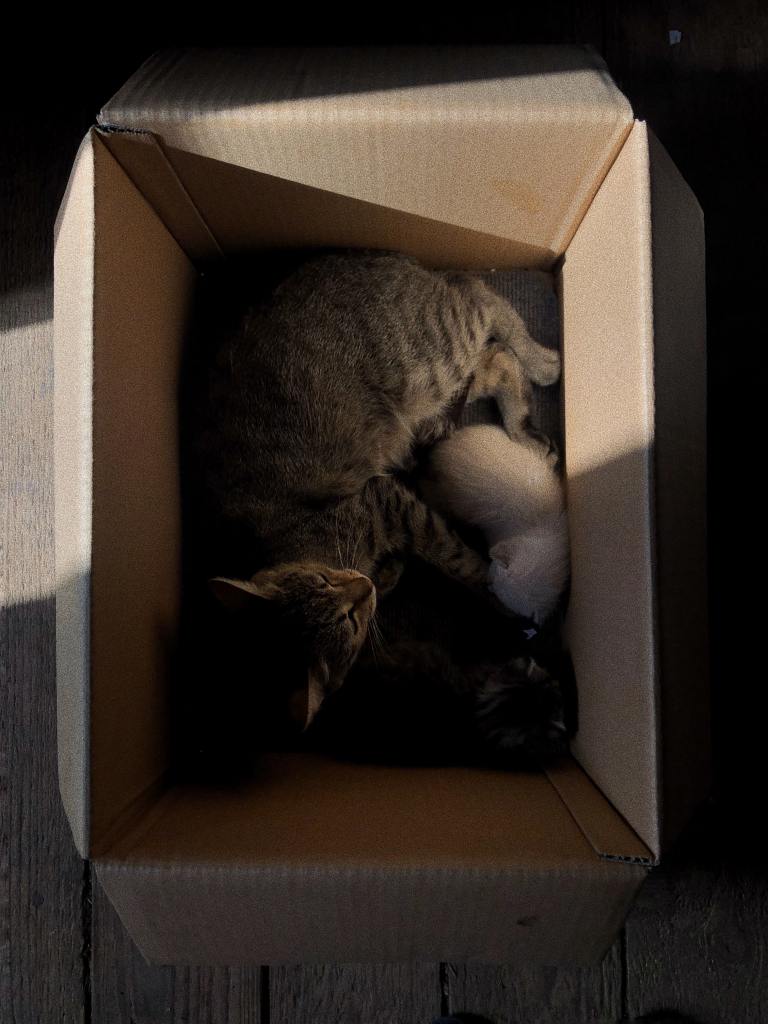

Many people live their lives this way. Our minds falsely tell us that not making a decision allows us to live in a suspended state with no repercussions. Well not making a decision is often a decision within itself and can lead to unintended consequences for which we are not ready.
I’m not saying make decisions on a whim. It is important to contemplate decisions, and to plan for the future, but it is just as important to balance this contemplation in order for us to manifest our destiny. Remaining stuck in suspended animation living the same loop day after day is living a life of fear. Life already gives us enough to fear, why bring more undue stress and turmoil to our daily lives?
Our species needs to move away from that mindset towards a more balanced attitude. All of our futures depend on it. Only by deciding can we become attuned with our environment. Only by taking a chance can we grow our resilience and adaptability.
When one learns the Stepping Stones of the Essential Elements of Life™ one can break free of this “stuckness”. It no longer matters if the cat is dead, alive or otherwise.
What matters is that we become equipped to handle as many of the outcomes as possible.
This is what it means to live the ways of “survival of the fittest”.

Self-preservation: the protection of oneself from harm or death, especially regarded as a basic instinct in human beings and animals. (merriamwebster.com)
Self-preservation is a skill that is important for life to continue, it’s what helps us anticipate risk and keep us safe. This historically instinctual habit seems inherent, something that will simply kick in when necessary. However, this skill is connected to our emotions, as most human concepts are, and anything that deals with emotions can be manipulated and twisted if we are not careful.
Self-preservation is something I know a lot about, for while I was born during a time of relative peace, my own personal life was full of dissonance, chaos, and ambiguity. My parents divorced when I was six; a messy and angry divorce full of hurt feelings and a lot of pain.

Adults surrounding me during this time were young, inexperienced, and grew more and more self-absorbed as time went on, focused solely on finding their way out of the hell they had created. I could feel, even at six, that this path they were traveling was too much for them, and I “knew” they would be unable to help me in my quest: my quest to not just stay alive, but to explore and understand the world, and to become a happy, well-adjusted person who lived a meaningful life.
In order to combat this war zone that constantly affected my life, I started to tap into my self-preservation. Planning for the future became my life, learning as much about the outside world as possible was my duty, so that I could create the best possible life and fortify it against any chaos that could disrupt it.
Things grew worse as my parents separated and new adults entered my life. Stepparents that either wanted to hurt me, control me, or act spitefully towards me became overbearing; heavy blankets that threatened to crush me before I was able to reach my dreams. Still, I soldiered on, knowing that someday, if I could just keep pushing forward, I could be far away from them and anyone that hurt me. Gratefully, my self-preservation muscles grew strong and resilient.

In my life, self-preservation was my savior. I learned what I needed from books, movies, television, school, and I learned what NOT to do by watching almost everyone around me. Admittedly, not everyone was horrible all the time. Bright spots popped up providing me solace and love at different times of my life, but often were fleeting or intermittent, and soon enough the blanket of tyranny was back again.
Self-preservation became my saving grace and helped me to not only create a life I love dearly but (probably more importantly) become the person I am today. Resiliency took time, and I stumbled a lot, but having that vision of what I wanted my life to become really helped me face my fears AND my failures as I moved through time.
Perhaps one may feel that this is the end of the story. A story of triumph, of learning, of strife and perseverance. While I hope that my story brings a speck of inspiration to others in a similar experience, my story must be balanced with the nuance necessary for our environment today.
Self-preservation can be a helpful ingredient to pull us from despair and help us achieve our goals. However, too much self-preservation can lead us to an insular, wary, suspicious existence if we are not careful. Earlier I mentioned that I grew up in a time of relative peace. It was my internal world that was at war.
Our environment is an important part of the equation as the right thing at the wrong time can cause disastrous results. While doing the hard work of becoming who we are meant to be, we must have a safe space to run to when that work becomes exhausting. Having only my internal world to fight but an external world of peace allowed me to retain and strengthen the necessary Moxy I would need to survive my internal chaos, while still reaching out and connecting with the world around me. Remember the bright spots? That was what I was hoping to recreate consistently in my world. Remember the media that I absorbed? Much of it was extremely age-appropriate while sharing a world of connectedness, caring, adventure and peace.
We do not live in that same environment today. Our outside world is chaotic, fear-inducing, and full of the unknown. Environments of this sort can cause our connections to break down, and we shrink our physical world. We close ranks in order to keep our loved ones safe. Adding even more self-preservation to this equation pushes all of us further into our homes and creates enemies everywhere.
Throughout these hard times, we need to remember that our connections are what make life worth living and add to our overall well-being. Technology cannot save us from this fact. Humans will always need each other even we would like to wish this were not the case.
People are starting to feel abandoned. Abandoned by their governments, their communities, their neighbors, friends, and families. This can make us want to run away, hide away, and only deal with what is right in front of us.
The kicker is that this is a good place to start.
The issue is, this is no place to stay.
Gaining a better sense of self-preservation to get your “ish” together is necessary during hard times. Times where resources are tight, life is difficult, and chaos reigns. Today, we live in a world where distractions are overwhelming. Where you can find anything and everything you would want to “feel good” allowing us to disregard our conscience and our need for self-preservation. Similar to the frog slowly boiling in the pot, our self-preservation can be overwhelmed with slow, consistent pain.
So please, do look inward to deal with emotional baggage, define dreams, and create a vision for the future.
However, remember to balance that with the relationships we need to help us remember we are a species that thrives when we have connection. Disconnection leads to isolation, depression, added anxiety, and shortens our lives. So, how do we balance self-preservation and connection?
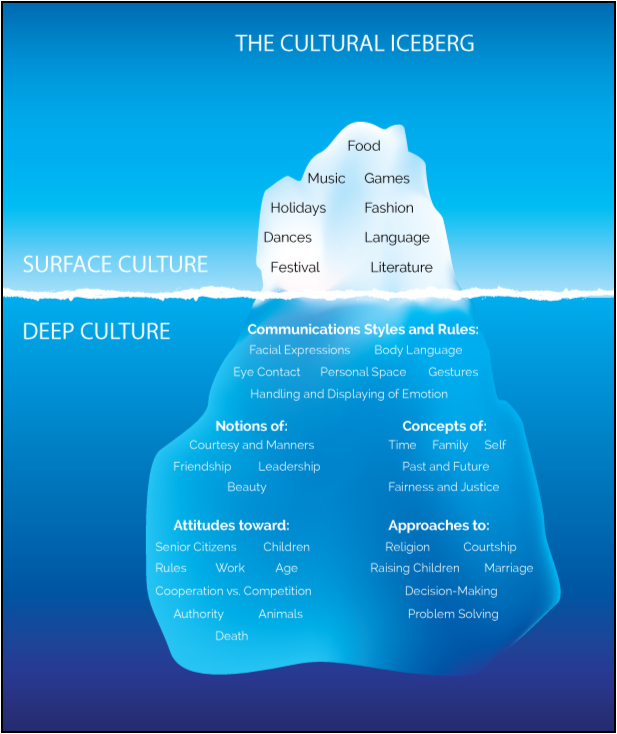
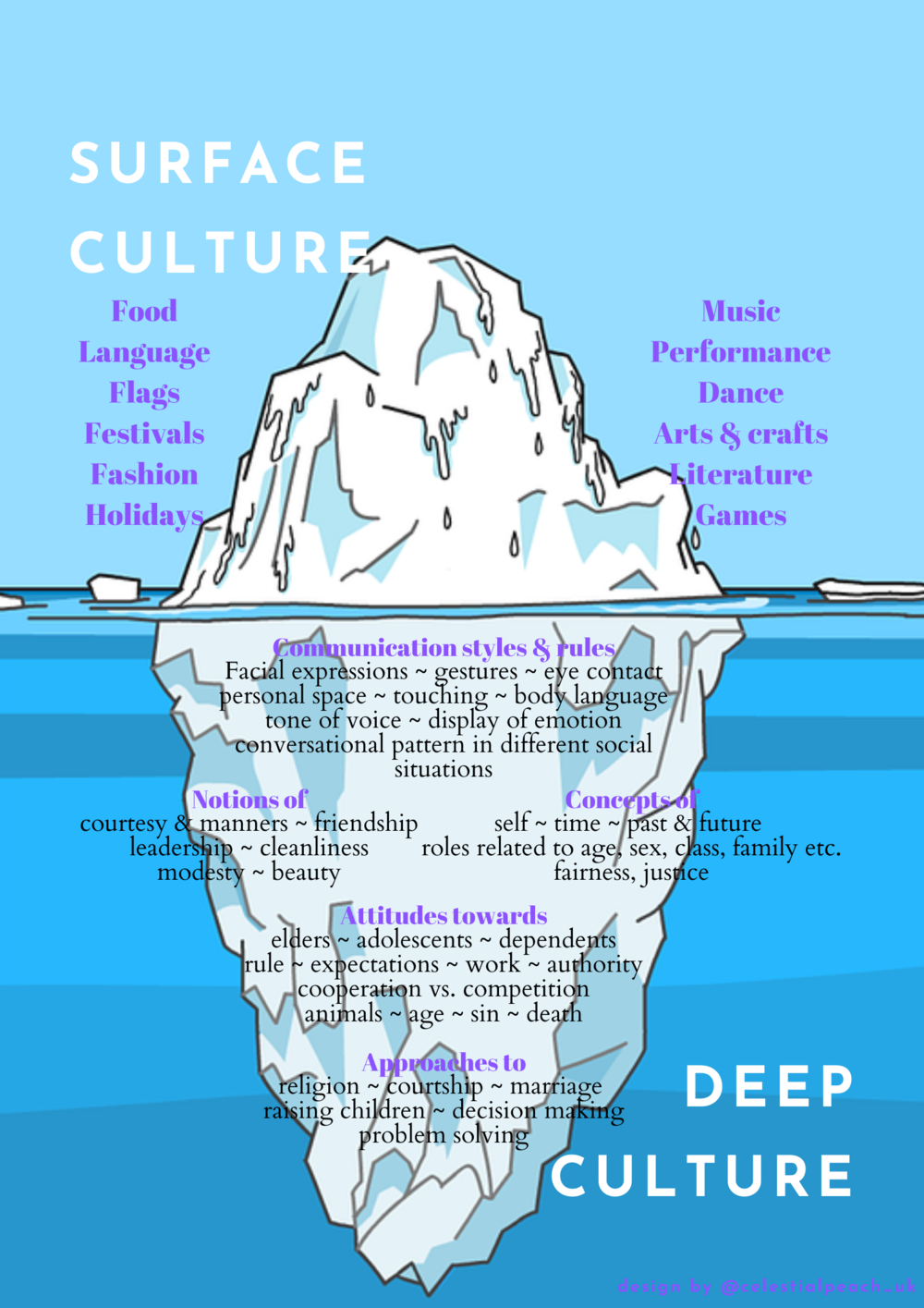
*Create Your Culture – We like to think about culture in terms of food, clothing, and holidays, but culture starts with our beliefs, values, and attitudes. Take a look at this picture – each of these concepts can look different depending on where we live.
How would each of these concepts be described in your life? If you have never thought about a concept before, do research before going with your gut feelings.
*Define your Tribe – Think about all of the relationships you had 5 years ago, how many still exist in your life today?
Research has shown that the pandemic has decimated our weak ties – “people that live on the periphery of our lives”. Those people that added something nice to our day, or friends we do not talk to often, are just as important to keep us tethered to humanity as our everyday tribe members. Weak ties can help us exercise our empathy muscles in new ways, keeping them in shape for when we really need them.
Change is hard. Fighting against the overwhelming barrage of distractions is difficult. This is why our world is dying. But there is hope. We can both strengthen our self-preservation AND keep our connections strong, we just need help to see how. The old templates we were taught will not work as effectively any longer. We must find new ways to create our path forward. We all want a world where we feel comfortable, where we feel cared for and about, where we can live our purpose. Following the Essential Elements of Life can provide a new template to bring about that future for us all.
If you, or someone you know, is struggling with all of the change, finding difficulty dealing with emotional pain, hurt feelings, or distractions please check out our programs and see how we can help.
Copyright 2022 – Maven Source International, LLC


A pendulum’s momentum eventually stalls if the energies surrounding it equalize for too long. It will swing gently back and forth until the friction between the air and its mass conflict at the same rate. So goes our world; slowly stopped over the past decade as the chaos of our world, and our ever-changing minds, have acted like gravity in our social space. Changes often bring an end, but also start the dawn of a new beginning; one that if we start to plan for now can bring about a brighter future.

A new era is being ushered in, one full of Yin energy, the opposite of what we have experienced in the last few centuries. It is a time for rest, strategy, and holistic ideas, an exciting time but also one of immense pain for those unaware or unprepared. New environments and lots of change make humans uneasy, especially change that exists outside of our control.

One may feel they are being tossed along the waves and experience difficulty gaining a solid footing. This discombobulation often leads to pain, confusion, and despair. While the time has passed for finding a way to escape this period of life, there is a way to find the balance we crave. Taking on the adventure of finding our rhythm, working to banish the distractions that stop us from finding harmony, and gaining comfort with ambiguity can help us plan for what is coming next.
Time is ever moving, it never recedes, but humans historically have been spared from dealing with such heavy effects in such a short period of life. Past changes were often difficult to see until they were past their tipping point, but the more unstable our society, the faster the pace of change. Expanding our view globally exacerbates the number of changes that affect us, and can easily become overwhelming in our digital age.
While some can see this quick pace of change as exhilarating, and look to welcome this sea of change with open arms, others, especially those who have led fairly predictable lives, can crumble under the weight of ambiguity. This can help explain why some have expanded their communities to include people across the world while some become more insular and focused only on what is in front of them. The conflict that arises between people on these different change spectrums only adds to the frustration, confusion, and pain.
Think of the number of times we have heard the words “unprecedented” or “never before seen”. Endings happen when many new things start appearing.
A snippet of shifts happening at once:
Endings are tough, especially when they do not end happily or willingly. During times of change, people become fearful of losing what they have and losing their station in life. This is natural. We work hard for what we have, and want to keep what we have gained. But we must be wary about succumbing to this fear and causing greater problems. This fear can grow dangerous when we start to see others as the enemy and start to hide away from those we used to trust. This fear strengthens our need for safety which drives us further apart.

Instead, we must recognize that it is our struggle against this change that causes our pain. Change will happen whether we like it or not, but we can always change ourselves to maintain our vision. The more we struggle against it only prolongs the pain. Learning how to better manage change can make the process easier.
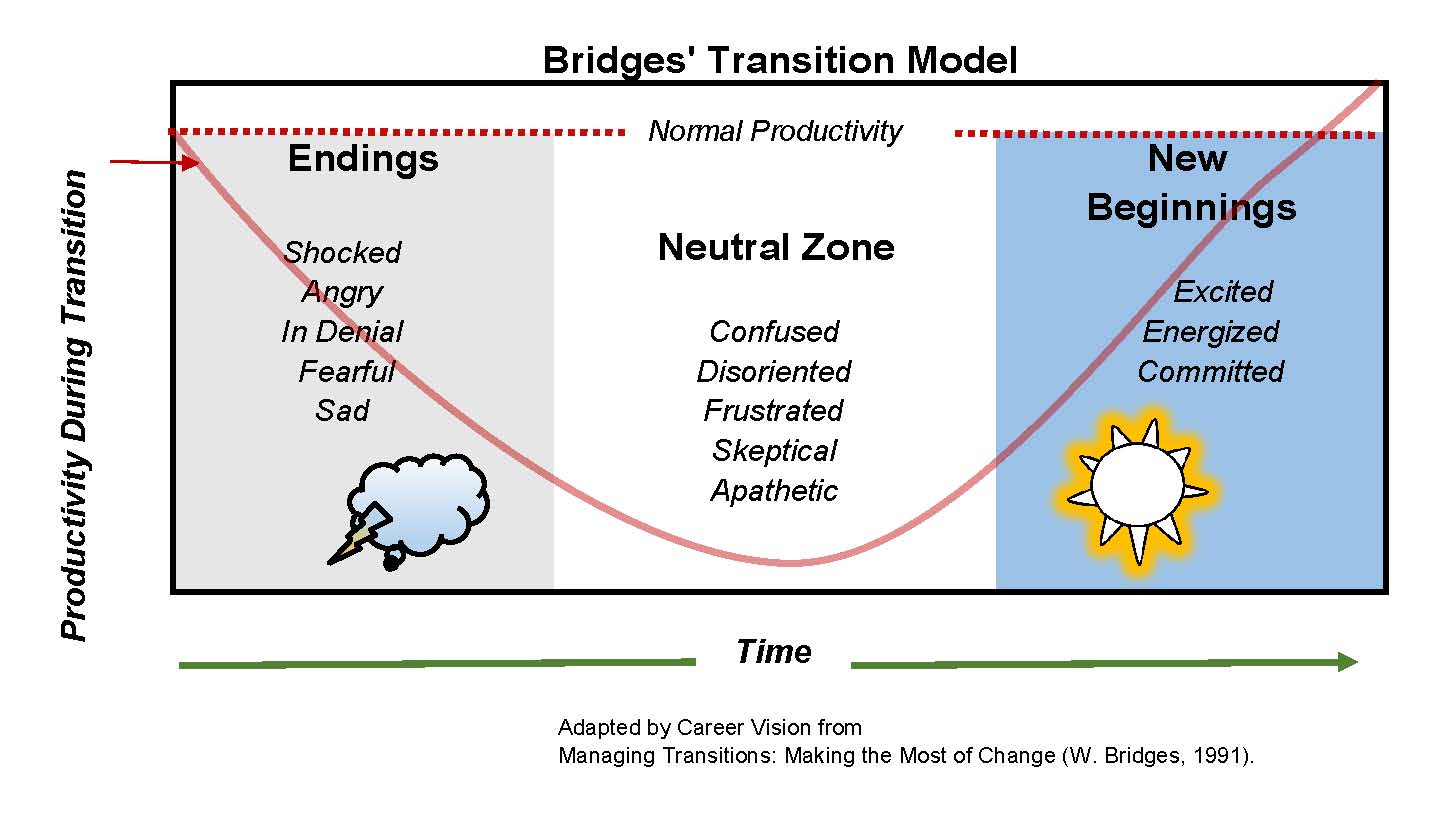
A Change, according to renowned Organizational Change expert William Bridges, consists of three main phases: An Ending, A Neutral Zone of uncertainty, and A New beginning, and each of us reacts uniquely within each phase. To help clarify these phases, my synopsis is below. Understanding these ideas can help to refine our relationship with change.
What to do when you realize that the environment calls for change and it starts with changing yourself?
Start getting back to the basics: Determining what we really NEED not just what we WANT.
We NEED each other. Period. It may not seem so, but we can only survive together. Our world has grown richer, resources are more prevalent, and technology allows us the option of a single life. Psychology Today said it well: “More affluence leads to a greater sense of self-reliance and a detachment from others.” But we give up a lot when we create this type of life. We more easily fall into isolation, depression and suffer from anxiety. Julianne Holt-Lunstad, PhD, a professor of psychology and neuroscience at Brigham Young University, found that loneliness and social isolation are twice as harmful to physical and mental health as obesity (Perspectives on Psychological Science, Vol. 10, No. 2, 2015).
We NEED to remove distractions and regain our connection with nature. This connection allows us to better anticipate the winds of change and better prepare for the future we really want. Removing distractions can be hard because as the smoke clears, all of the emotions we have pushed away come rushing back. Doing this work is hard, and it’s often better with a guide. I use the Essential Elements of Life to guide my students towards building resiliency and finding peace free from their emotional baggage. Please check us out if you are in need, but even if we are not the right fit for you I implore you to seek assistance when searching your soul.
This will not be easy, it will not be quick, but if we start today we WILL see the fruits of our labor sometime soon. Start talking to each other, learning about each other, discovering more about our values, morals, goals, and dreams. Let go of the need to “one-up” someone, let go of the spite, release the hurt, see that we have a chance. A chance to create the world anew, the chance to find ourselves again.
Endings bring fear, but they can also bring hope. When change comes we can run, but we can never hide. It ebbs and flows throughout our lives and is necessary for growth. Growth creates maturity and helps us learn the mysteries of life. If we can find the courage to stand and face our fear, we start our journey to find our rhythm and create a life of harmony and balance.

It’s that time of year again! The time of year where everyone puts their best foot forward sets new goals or resolutions that they want to achieve and sets forth with aggressive enthusiasm.

I think it’s wonderful that so many people use the renewal and birth of the new year to reset their intentions and work towards creating a better, healthier, and more balanced life. However, way too often these new year resolutions fall by the wayside earlier than we would like.
On average, most people were only able to keep a new resolution for 36 days in 2020, according to a recent poll by OnePoll, data that seems to disagree with the common understanding that most habits can be created or broken within a month. (This common understanding has been debunked many times, even though it is still perpetuated across society)
There are many reasons why we do not reach a goal, some of them include:
These are all valid and correct, but in my years of research, I can now conclude that all of these reasons are secondary to the main reason we struggle to attain our visions – because they do not fit with our personal Rhythm.
Each of us has a unique frequency that vibrates out into the Universe and our life is created by the reverberations of those frequencies. The harmony (or disharmony) of these reverberations create our Rhythm. Essentially our Rhythm is our personal connection to the world.

External issues such as trouble manifesting your vision, awkward or unfulfilling relationships, stress, overexertion, and many of our mental ills come from not understanding our rhythm or how to flow with it.
Defining our Rhythm helps us to see what fits in our world and what doesn’t. Finding our Rhythm helps us understand ourselves – who we really are, our capacities, our triggers, our emotions – and then rid ourselves of the harmful pieces that do not serve us or allow us to live at our highest and best.
This concept I call Rhythm has been discussed before in different terms and from different perspectives. Rhythm, Flow, Balance, Harmony, Chi – these similar concepts all run parallel to the idea of being in tune with your environment and working with the energy instead of against it.

Rhythm is composed of both our energy vibrations and the stillness we allow in between. The stillness is just as important as stillness can quell the aggravation we feel when the objects around us are not working together to create harmony.
When there are multiple vibrations or sounds happening at the same time they can either become harmonious or dissonant. Harmony makes us feel better, it helps us enjoy the beauty of the instruments and we can often get feelings of euphoria, relaxation, and calm when hearing beautiful music.
Dissonances between us and areas of our life can create stress, anxiety, depression, and other emotional issues that can trap us from finding balance and peace. (Once we are more healed we can add some practical Dissonance back, but we first need to heal in order to create a good foundation. While distasteful to many, Dissonance still has beauty, as it creates space for change and growth pushing us to a new level of understanding.)
Clearing out some of the dissonances from our Rhythm can help us:
Finding our Rhythm helps us better gauge what is meant for us. Our Rhythm helps us see which goals or resolutions can help us become who we really want to be and it allows us to create a realistic plan that fits within our nature.
When we work on actively understanding our Rhythm we gain much of the benefits of self-care but not in a selfish way. Much of the promotion of self-care over the past years focuses on only what we need within. This is a very necessary first step and correlates greatly with Finding One’s Rhythm, however, it is only half of the equation.
Research has shown that promoting “mindfulness”, a type of self-care, in a population that already is independently minded rather than collectively minded pushes us to hold our own self-worth and view it as unbreakable and whoever tries to reason differently with us is the enemy and should be ignored. That is the exact opposite of what we want in a world that is so severely divided.
Focusing only on ourselves, especially in an already independently-minded population can cause us to retreat back to that comfort zone with no plan to re-enter the world. America is a good example of this as we are extremely independent culturally. Think of all the people who have thin skin today, how one comment can cause us to fly off the handle, the aggression that seems to never dissipate.
Getting to know our Rhythm allows us a space to get in touch with ourselves, but also gives the necessary space that allows other people’s rhythm to grow into harmony with us, rather than working to separate us. This helps us focus on goals and resolutions that serve us and could also serve others in our environment.

Interested in learning more about Rhythm and how to find yours? Please continue to follow this blog.
Ready to start finding your unique Rhythm? Sign up for our new program “Find Balance & Create Peace by finding your Rhythm” starting Spring 2022.
Until next time, take care and live gently.
©Maven Source International, LLC 2022 – All Rights Reserved
It won’t be enough, but please know I hear you and you are not alone.
I hear you even when your tears rush silently down your cheeks.
I hear you when you ask “why me? why us?” when you feel overwhelmed at the unfairness and grief.
I hear when you act strong for others even though you are crumbling inside.
I feel when your soul aches for hope, aches for rest and aches for calm.
I feel you when your heart sinks at the thought of taking one more step.
I feel you when you just want to give up because it is all too much.
Please know your journey matters. Your journey is powerful. Your journey is true.
Please know you are loved. Please know you are cherished. Please take one more breath, try one more day, and please reach out for help.
Feel not like a burden when asking for help, you may instead be another’s wish. For each of us wishes to care, to help, and to provide love. Humans are meant to live a collective experience, and we all have our part to play. We will be there when you need, as you need, how you need. All you must do is ask.
The nature of change that brings our pain also helps the pain (eventually) subside. Even the winter must recede to allow Spring to have its time. So is the truth of our lives, meant to be filled with times of joy and times of grief. A small bit of solace, I must admit, but a day will come where once again a smile will be found on your lips and peace will once again grow in your heart.
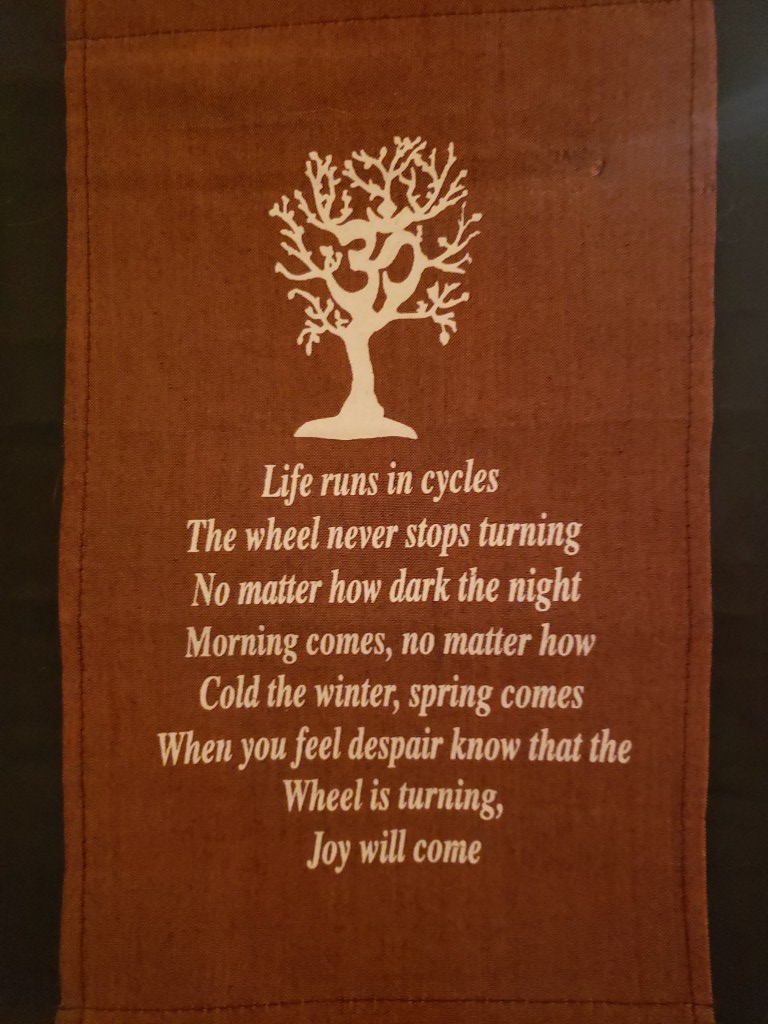
If ever you need we will be there, for you are not alone.
Resources:
Sending love, light, and comfort to all who can see this. Sincerely, Jessica
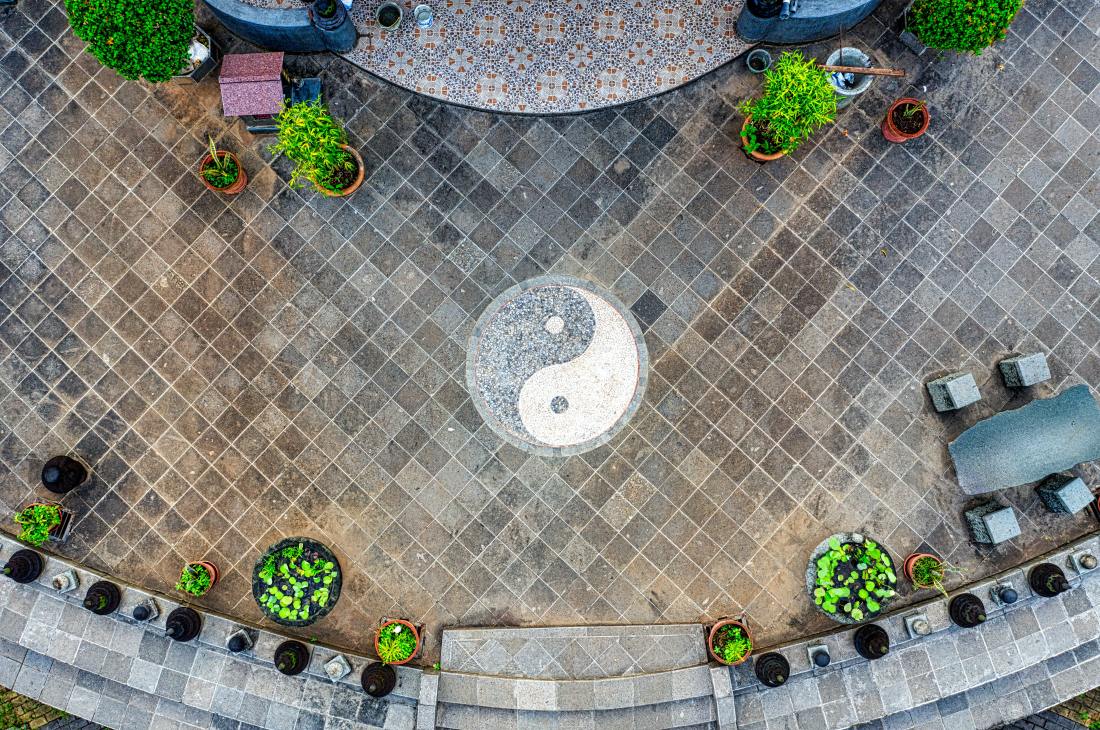
What does it mean to live a life of balance?
When defining something, it can help to first compare it with its opposite. Luckily, our current environment is so out of balance that it is flush with opportunities for comparison. Everywhere you look there is dissonance, chaos and tumult. The weather is erratic, our Congress is comparable to Kindergarteners that need a nap, and politics has turned into a new religion. Many people are struggling with crime and homelessness, yet prosperity is at an all-time high. We celebrate raunch, aggression and those least equipped to do anything except make money and convince others do try to do the same.
This level of imbalance is unnatural. It has grown exponentially as humans have learned the technology to shield themselves from dealing with reality. Our fear of change has driven us to a desire for a plastic world, one where things stay the same or at least give us the veneer of sameness and comfort. We have essentially become the dad from the Lego movie with our gallons of super glue to paste things into place forever.
This environment, because it is unnatural, hurts our souls and makes us weaker every day. Humans are struggling to survive, searching for safety and seeking belonging, with little to show for their attempt. We all feel something is wrong, but feel powerless to stop it.

But take heart, for there is still hope. We do in fact have the power to bring our world back into balance. How? By starting with our own lives.
To bring ourselves back into balance we must:
Learning to balance our energy is one way we can start achieving these goals. This means discovering our own rhythm – the dance that happens within us as our energies interact. Our rhythm dictates who we are, who we want to be, and how we interact with the world. Once we understand our own rhythm, we can then learn to harmonize with the symphony of our family, our community and our world.
Understanding our rhythm, we are released from being tossed around aimlessly by our emotions and the emotions of others around us. Sounds great, right? Well, it does come with some work. In order to find one’s rhythm, we must work to understand ourselves.
Choosing the adventure of understanding one’s self is a mighty step towards creating a fulfilling existence. Once an Explorer has taken their first step, my job is to provide guidance along this journey to my Explorers by helping them learn the Essential Elements of Life.
One of the first lessons my Explorers learn is to define their natural energy. Learning our natural tendencies helps uncover the gaps between where we are and where we would like to be. Balancing energies is a solid place to start as it allows us to become more in tune with the dance between the push and pull of life, what triggers us and where we need to build resiliency.
Energy is separated into two types: Yin & Yang. These two energies (Yin & Yang) are the basis for everything in our universe. The constant push and pull between light and dark affects every level of our lives – from the global view to our individual existence. Today, we will take a deeper look at these two entities, their tendencies, their effect on our lives, and how to learn the rhythm they have coded within our souls so we can join the symphony and create more harmony.
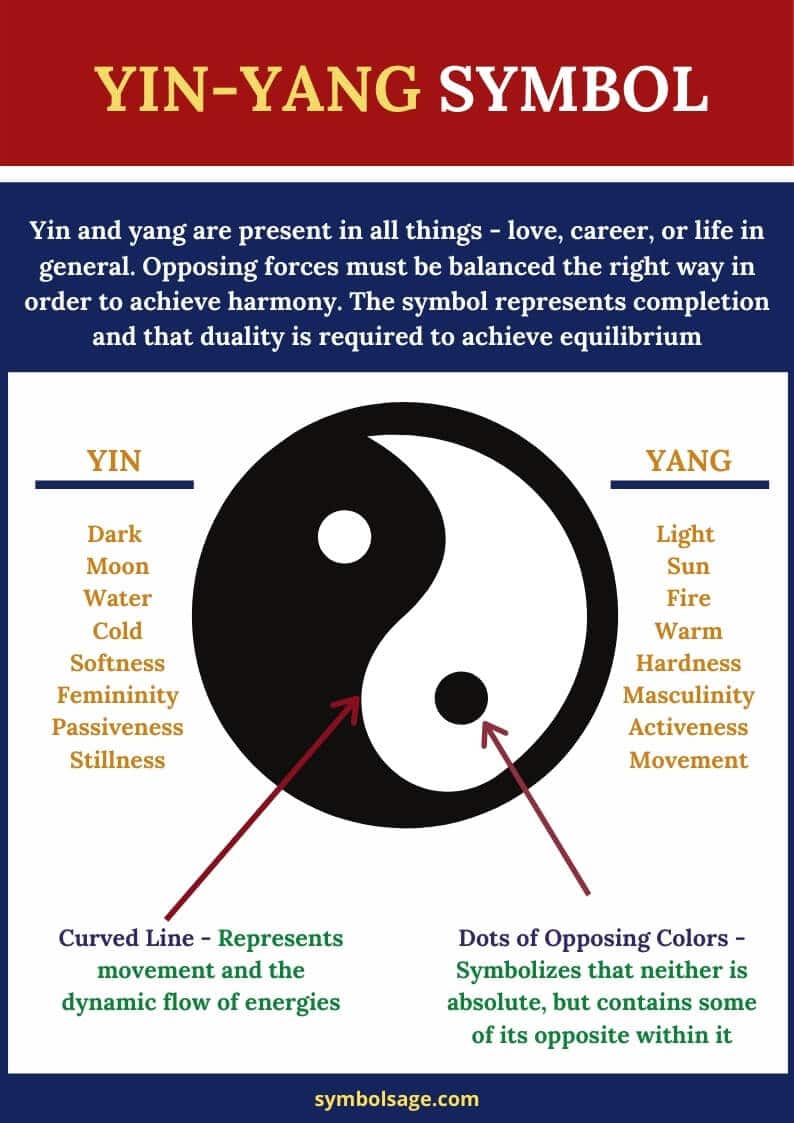
Yin and Yang are the words we use to define the conflicting energy spectrum that dictates much of our universe. Yin envelops the concepts of acceptance, rest and reassessment or strategy. Yang is the name of the force of chaos, the push for progress and the use of force to achieve our goals. Both are necessary to attain a life of balance, for what is life without progress and what is progress without acceptance?
Yin and Yang are complementary – both are exponentially more powerful when combined. All humans hold attributes of each within them, but we have different levels and capacities for the amount of each we can handle. Think of the little dot of each that exists in the sea of the other, sometimes the dot is large, sometimes it seems non-existent, but it is always there and can come into balance with practice.
Often, souls are born with a stronger understanding of one of these energies, but we can learn to appreciate, and acquire strength in the other throughout our lives. The natural tendency of our energy is not tied to a particular type of human, but there are generalities that have been categorized over time. Throughout history, much credence has been given to the idea that males tend have stronger Yang energy and females stronger Yin. While generally that tends to be true, we must understand that every person is able to show strong characteristics of one or the other regardless of their gender, sex or identification.
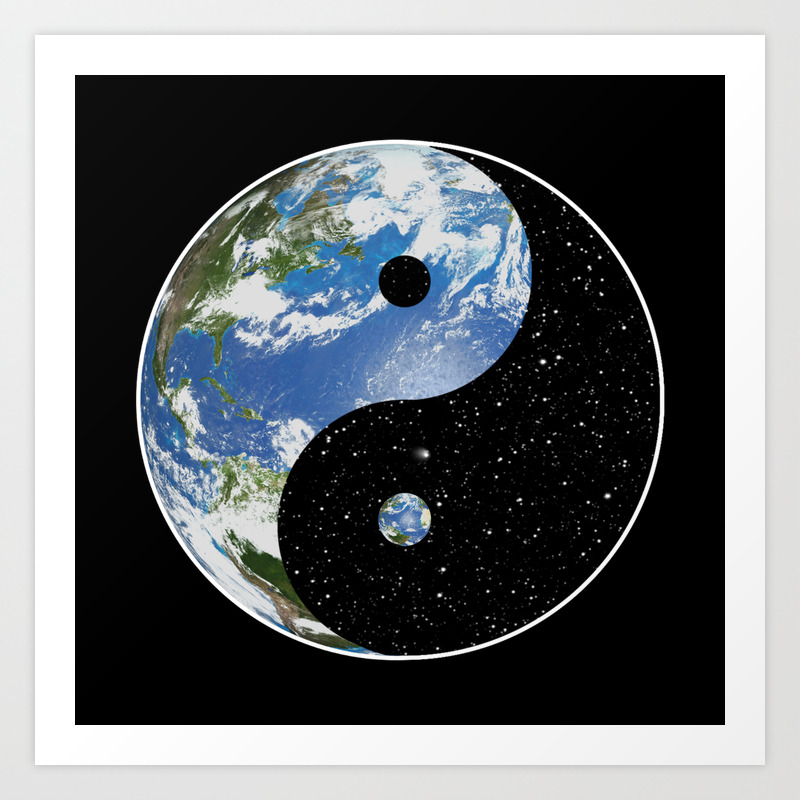
Both of these energies are important to life. These forces create a rhythm, or a dance, that needs to be balanced and allowed to flourish or their attributes grow too strong and become overbearing. If this happens, the weaker energy will morph into its ugliest self to take control from whichever has grown too powerful. When balanced they work together to strategically move us towards our soul’s desire.
The power of Yang stems from the ability to create change. Yang will always push, always yearn for more. Yang promotes bravery and risk-taking. It constantly yearns for progress and movement. The power of Yin stems from the ability to connect with others and plot the course. Yin is a place of peace when Yang has burnt out its energy and needs to rest, recharge and grow. When we are strong in Yin, we are able to see the big picture, reassess and plan how best to achieve the next level that Yang’s power will strive towards.
Yang energy lives along the plane of aggression and compassion. Aggression is using energy to push, control, and unleash the epitome of its strength. The sky seems to be the limit with Yang in control. When Yangs power wanes or gets out of control it requires a strong Yin to place it back on track. Compassion happens when Yang allows Yin to take control; more like a sovereign less like a dictator, a kind leader who submits to their people.
Notice, however, that Yang never fully submits; it only allows. They must be in control, or at least feel they are, as their Yin is small, and their Ego is fragile. Belief from others leads them to do their best work; change is only necessary with support.

Progress forces Yang towards Aggression when change is needed and this progress breeds competition, waking up other Yang and exacerbating the amount of Aggression in the environment. This aggression creates life, dismantles the old and allows for the new, but if left unchecked can create war, pain and suffering. Yang at its strongest creates a period of turbulence for Yin. When Yang is at its highest those strong in Yin feel crushed, stifled and can be easily hurt.
Yin lives along the plane of empathy and Control. It’s driven by a desire for connectedness and for peace. Yin must be shown compassion and respect in order to flower and when it does, our environment is a place of community, togetherness and love. Safety comes from having a structure that is agreeable to both energies, with Yang having the right amount of compassion to allow Yin’s empathy level to reach its potential.
Yin looks at the world as a community and is often concerned with emotional health and safety. Where Yang provides the energy Yin must create the rhythm and the structure that allows both to coexist. Often described as the dark with a more negative connotation, Yin is a place of rest, relaxation, learning, growth and planning. Yin is the coordinator of the partnership and must fully understand Yang’s capability and strength to create a place for both to thrive.
When Yang is in charge, Yin must either submit and allow or fight by using manipulation and strategy to contain the change. If Yin decides to struggle against Yang, there are a few things that must be decided. Namely: How much force can it control and for how long. Yin’s Yang is small, and in a fight of pure aggression and physical strength it will not win without losing itself as well (i.e., Armageddon).
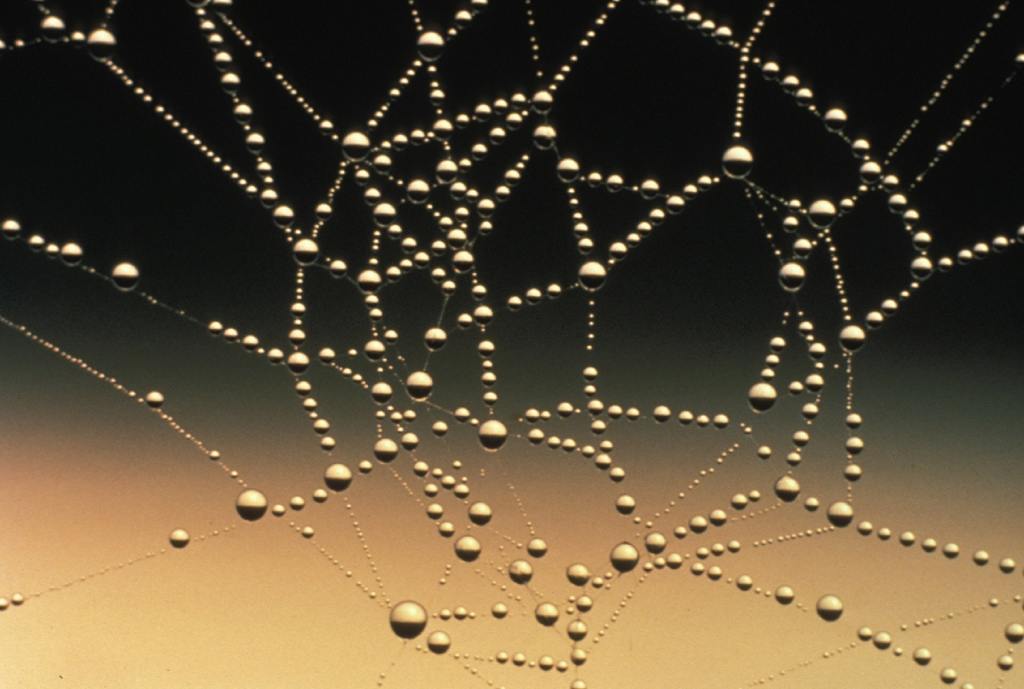
In order to convince Yang to relent, Yin must use the tactics of Manipulation and Strategy. Manipulation comes when they feel hurt, overwhelmed, stressed or unnecessary and can manifest as spite.
Strategy comes from being allowed the space and time to see the bigger picture, to set goals, and to have a plan of action. If asked to plan when manifesting spite, Yin will create a structure that blocks out Yang as much as possible; if shown respect and compassion, the strategy will have an empathetic intent.

Let’s head through a short analogy to see how this works out in real life. I am guessing that most everyone has attempted to ride a seesaw (teeter totter?) when they were young, so hopefully this will make sense. The seesaw was not always the easiest toy on the playground, but if done right, it was one of the most fun. Riding a teeter totter (seesaw) was both scary and exhilaratingly ticklish, it took concentration but allowed for times of freedom and flight. The trick to this is that we must find a good partner.
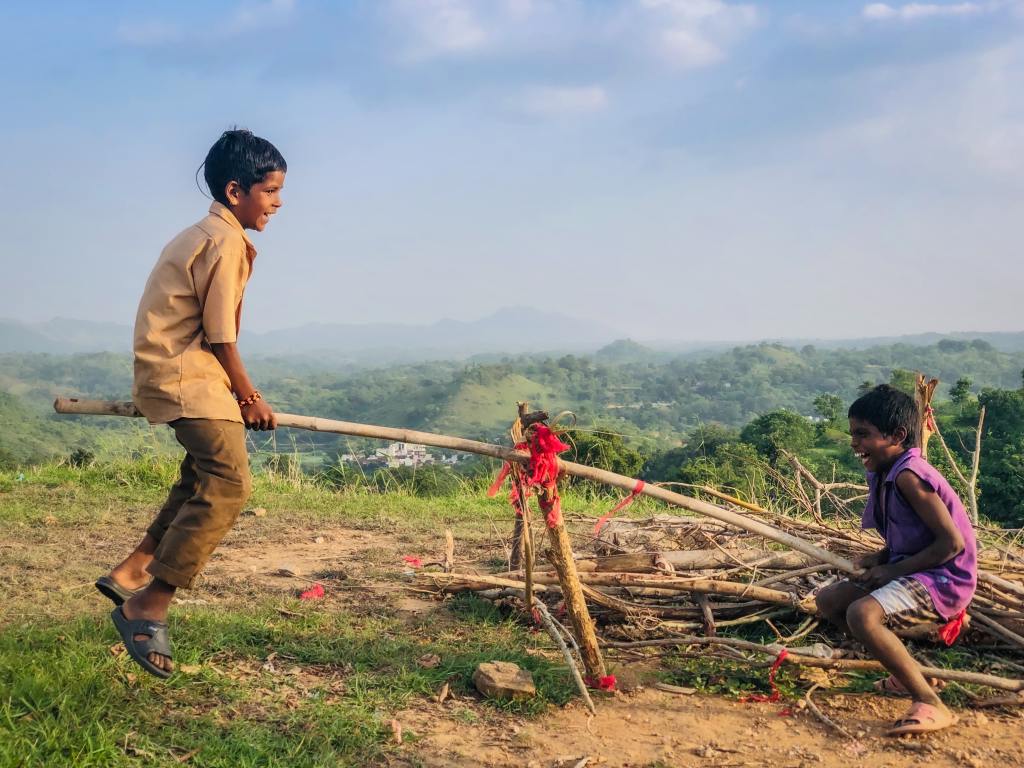
To really make the seesaw work one must:
The flow of life is similar – we need to balance our energy, then balance energy with our partners, families and friends in order to create a harmonious life. Expand this to the community, state, country and global levels and one can easily see the amount of work that is needed can seem overwhelming. However, if every person worked on the first two layers, we could see a multitude of progress within our lifetimes towards an environment of shared harmony.
Why are we so out of balance? The answer is full of layers of complexity. One main reason is that our population is currently living out a life subliminally sold to us over the past generations. Subliminal messages are everywhere, in print, on our phones, in commercials, movies, television, school, our families – everywhere we look we are being molded often when we least realize.
This molding takes time, effort and a lot of money. Effort is needed to carefully mold a question, a meme, a picture, or a phrase into something we take in, to hit the depths of our psyche. Each message is meant to move us in some way, often with the desire for profit.
The messages pull us in directions that many of us wouldn’t freely choose and this creates a level of dissonance in our minds causing added stress, pain and fatigue. Even when we want to choose “the right thing” we often cannot due to this conditioning. Our Yang is stuck in aggressive mode and our Yin is working overtime to manipulate the masses.

How do we shake ourselves out of this control? Submission, vulnerability, compassion, acceptance, empathy, and accountability. All of these concepts can feel scary, especially when we exist in an environment that is primed to scrape our psyches clean for profit and gain. But these concepts are necessary if we want to live in a new world where we can balance our ever-growing desire for progress and change with our need for strategic rebalancing, lessons learned and rest.
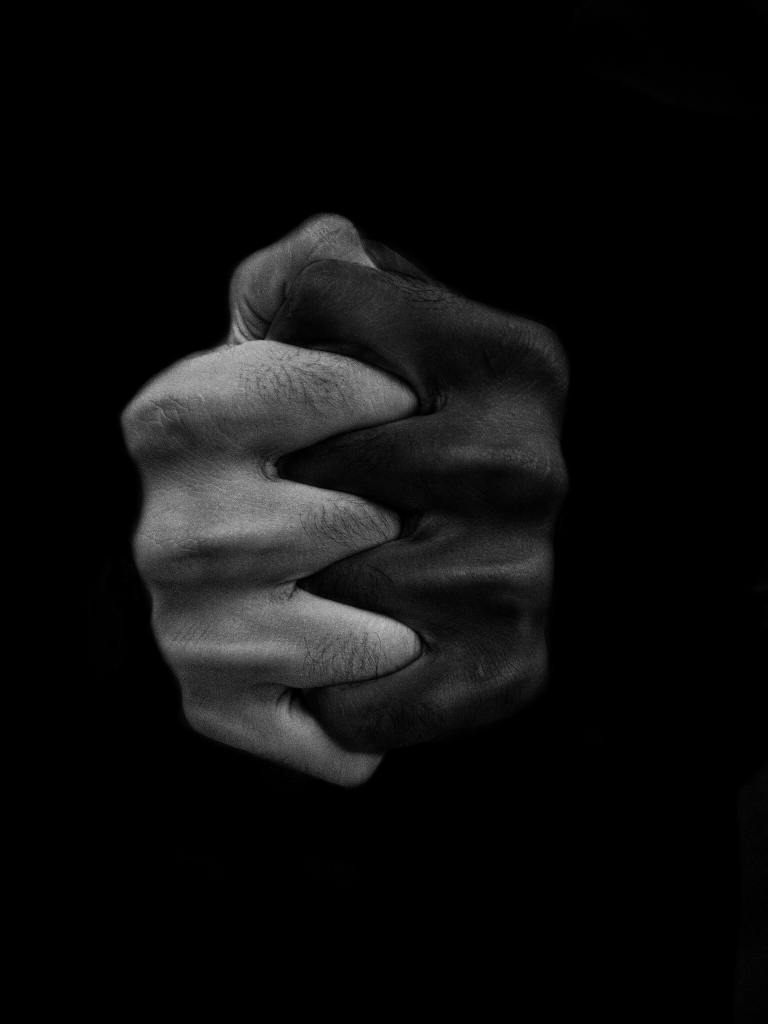
While we work on exploring more of these concepts in our future sessions together, there are simple steps to take to start rewiring our minds back to a more balanced state:
Start Planning – Scary for some, so let’s start small. When you wake in the morning, plan an extra 5 minutes before you have to jump up to start your day. Visualize your morning from the time you will get out of bed to the time you start your work. Visualization helps us emotionally connect with what we are about to do and can help us be less forgetful. An added plus is that we will feel more accomplished when we achieved the visualized path in real life! Just this one simple thing can help our days get better. Practice this at different intervals to strengthen your strategic and emotional muscles.
Sacrifice a little so your environment can thrive – Determine small ways that you can give of yourself or accept something you had been ignoring or rejecting. Does your plant need some tender loving care? Spend a few extra minutes to learn how to meet its needs. Are you struggling to meet a deadline, but your little one wants your attention? Often, taking 2 minutes, even if it breaks your concentration, to give them your undivided attention will stave off the consistent nagging you will feel if you ignore their pleas. Submitting for a bit of our day, even when we are most busy, (unless life threatening of course), to provide another being with what they request can help strengthen bonds, and in the end make both ourselves and the other feel that they matter.
Try something different every other day – It could be waking up at a different time, eating something new, learning a new fact, exploring a new subject, anything that is very different from your normal routine. Adding a bit of change each day helps us strengthen our resiliency to deal with unexpected outcomes or ambiguity. Creating controlled changes, i.e., choosing the change, helps us explore our fear of change in a safe and more comfortable way. Doing it at different intervals lessens any anxiety we may feel, as we do not need to have to change constantly to see results.
Give yourself permission to suck – A friend shared this with me recently and it really spoke to me as I often need to add more Yang into my life. Yang is not afraid; it is fearless and in that majesty is the ability to try and try again. We need this fearlessness to resonate within us or we would never fully experience life. When first trying something, allow yourself to suck for a while. Rarely are we perfect on the first try, but our embarrassment at not attaining perfection the first time allows us to give up easily or never try in the first place. Embarrassment is not fun, but it is often fleeting, so take the burn and keep on trying.
Hopefully these suggestions will bring more balance into life and help on the path towards Enlightenment. This will be the last part of Scaling Maslow’s hierarchy for now, but we will pick this story next year as I release my book of the same name in 2022! I hope that each of you will find comfort, compassion and guidance from this excerpt and again from the book when it is released. 😊
Next time we will be taking our journey with Yin and Yang a step farther by discussing helpful concepts around creating a winning relationship. Take care until then. ☯
Sincerely,
Jessica
©Maven Source International, LLC 2021 – All Rights Reserved
 Navigate our Complex World Successfully