Survival of the Fittest

Survival of the Fittest. A phrase tossed around so often that over time its original meaning seems to be lost in translation. Let’s talk about it for a bit to see if we can straighten it out.

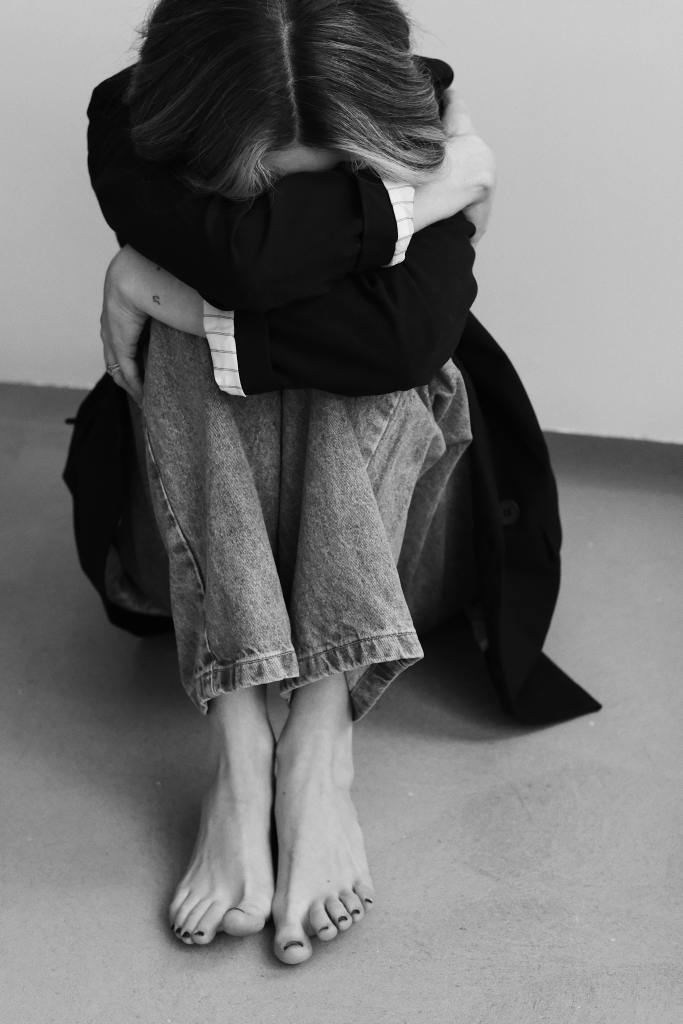
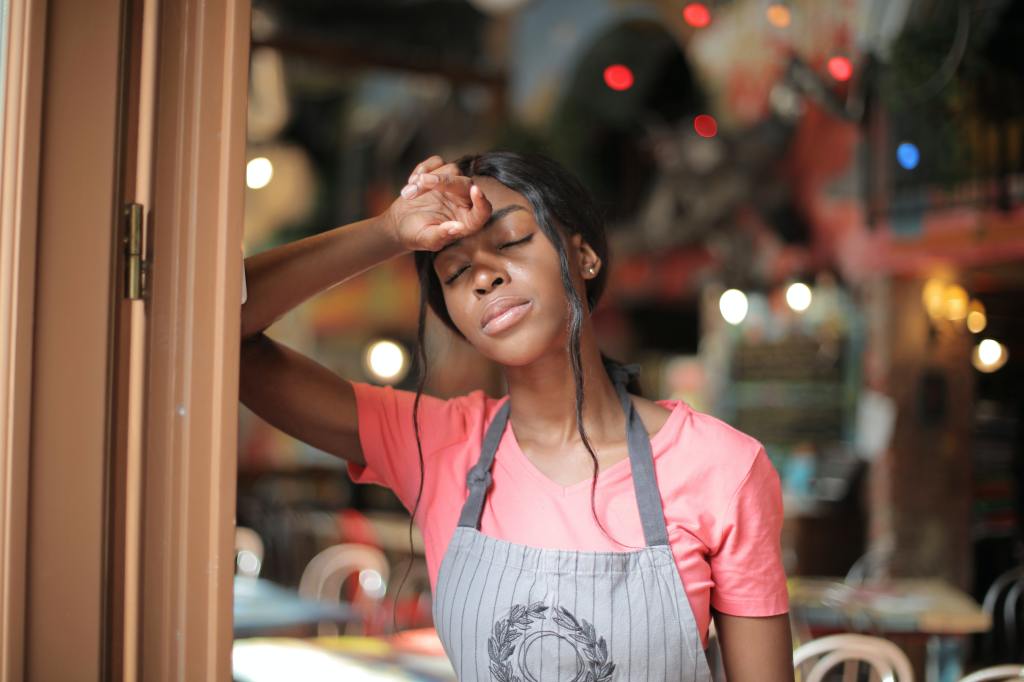
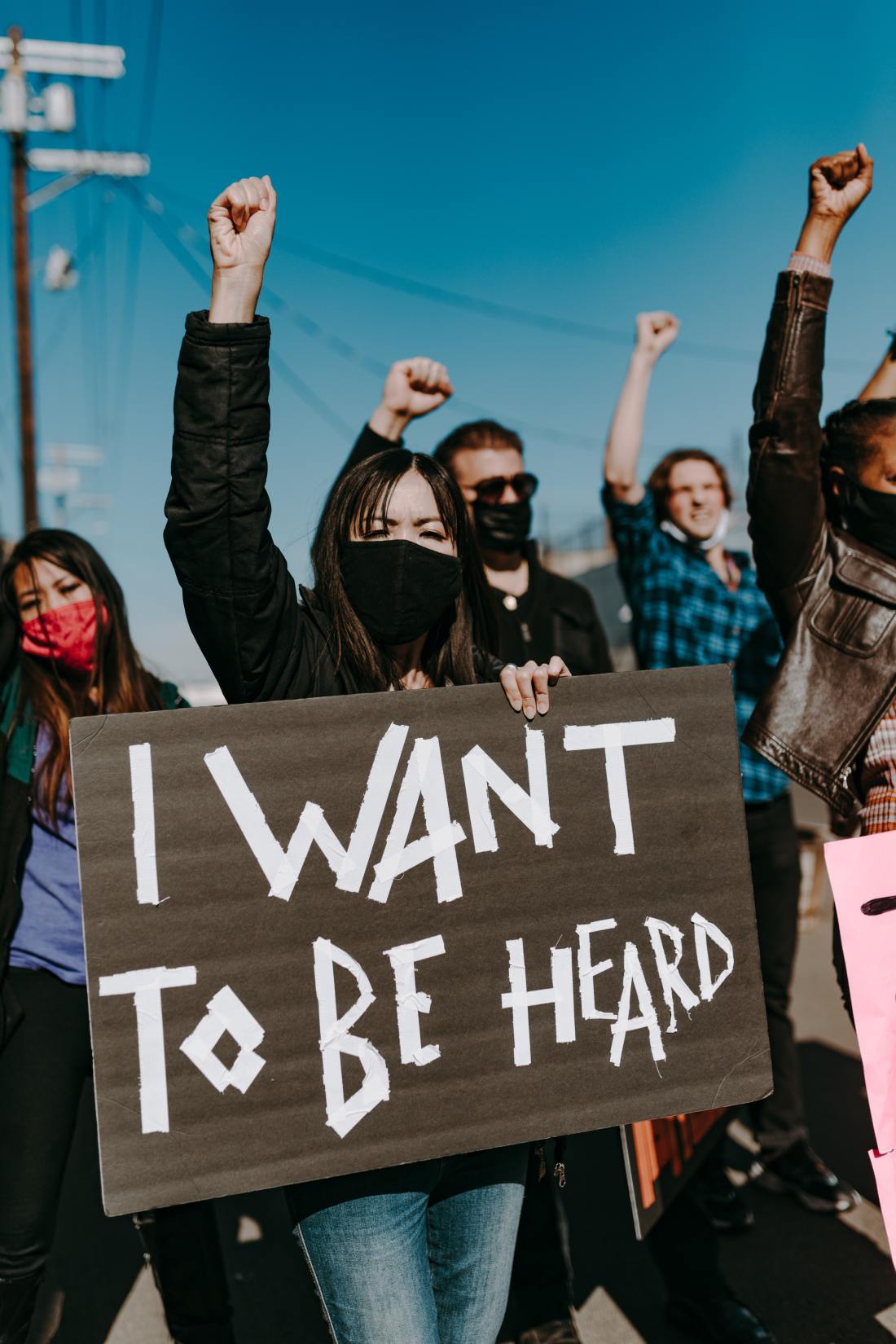
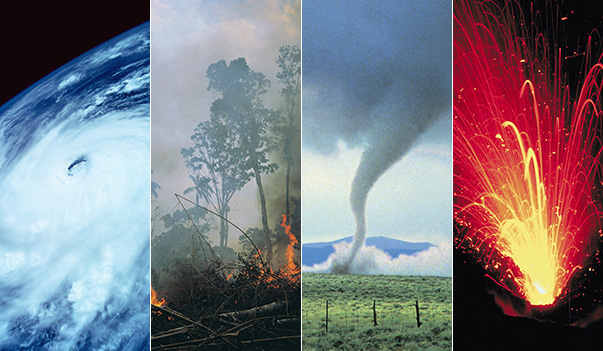
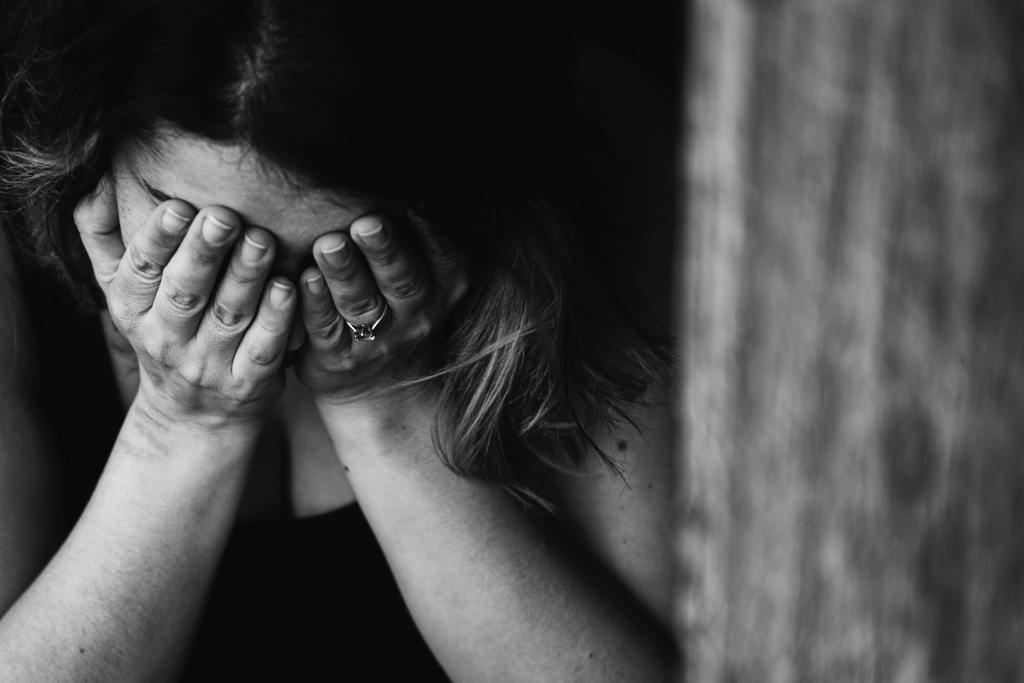
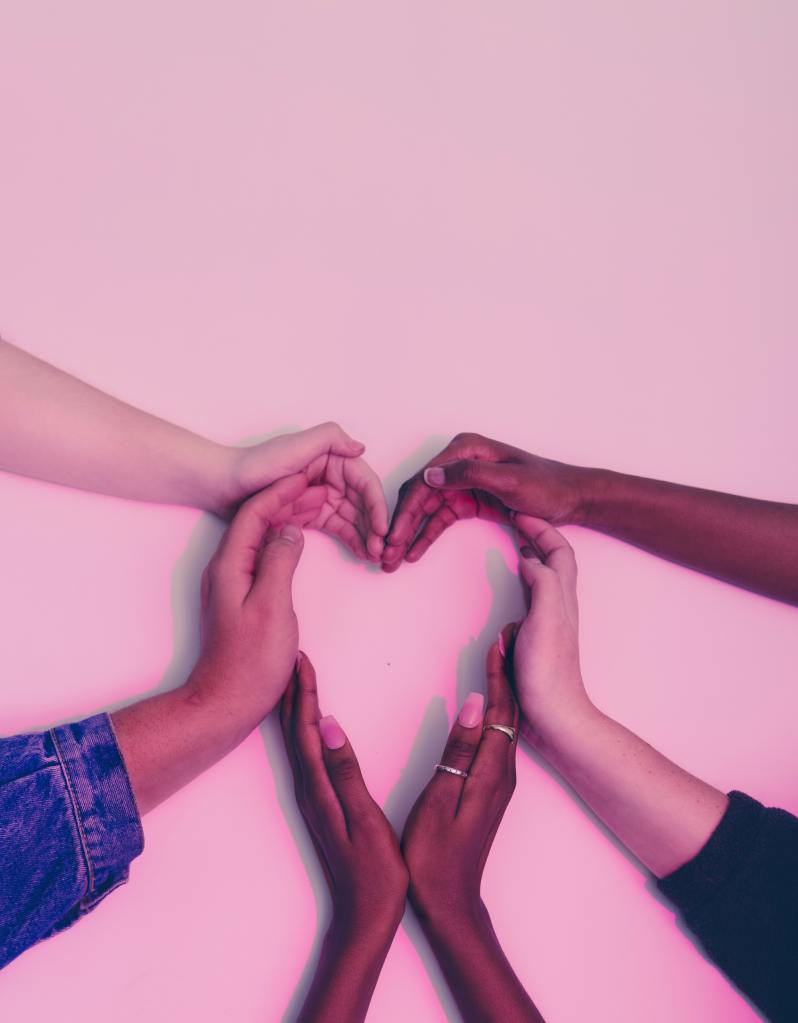
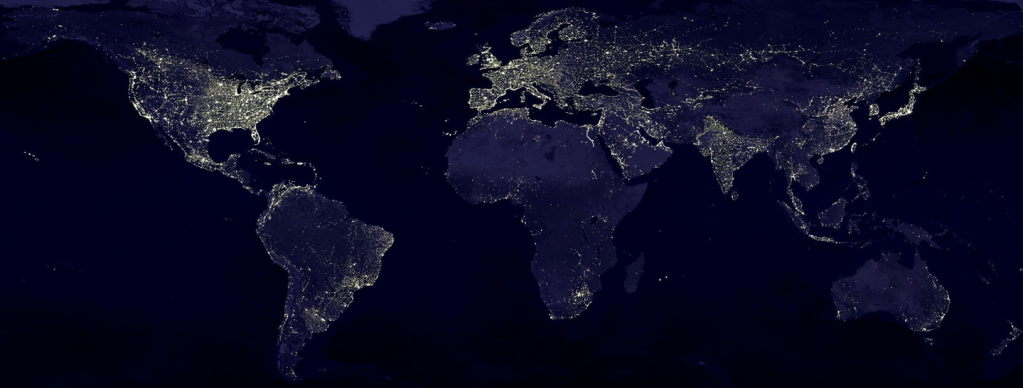
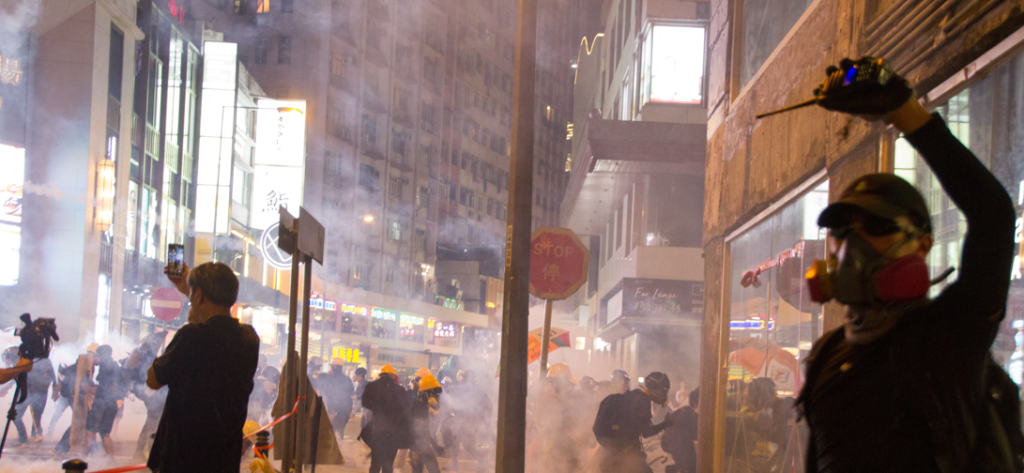
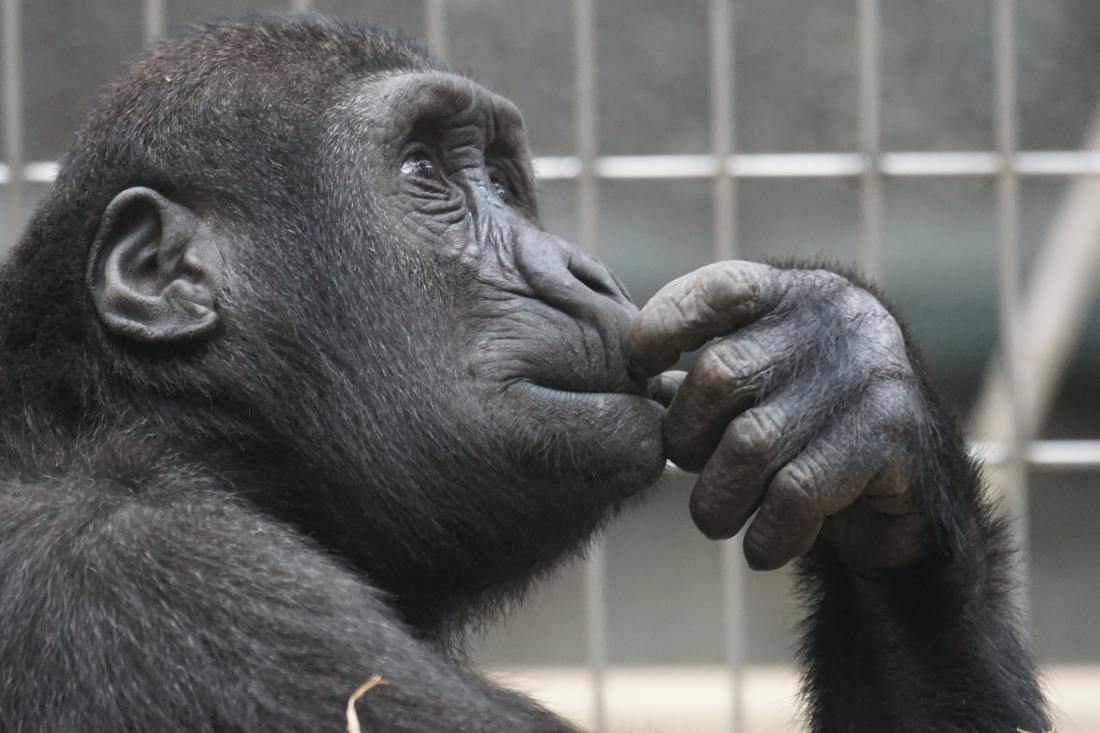
What comes to mind when thinking about “fit”? Possibly something like this…

Or this….
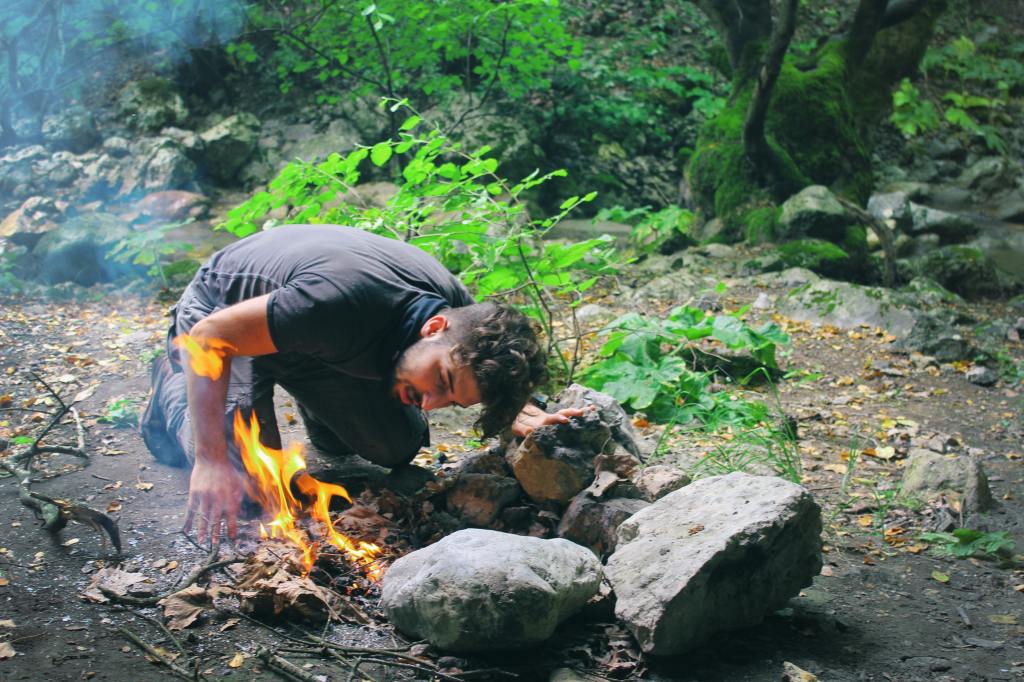
Or even this…
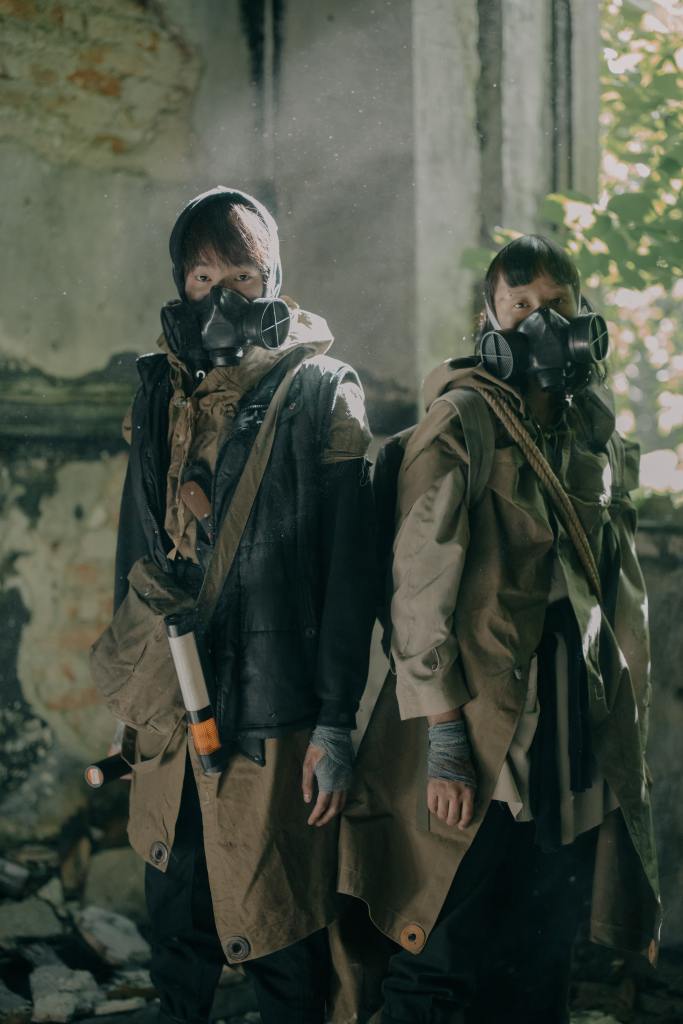
Makes sense. All of these concepts have something to do with being “fit” at least in our cultural definition of the idea. However, in our currently shifting paradigm, we must look at the connections between these viewpoints and see that it is the ability to adapt that helps one survive through almost anything. Adaptability… resilience…strength…this idea can be framed differently depending upon the context, but the end result is similar – and we can use the Essential Elements of Life™ to help us manifest this state within our own lives. How? Follow me on a little journey to find out more…

Misunderstanding Darwin

To start, let’s take a look at the theory that spawned the cliche. Where did this theory come from? Well, we can thank Charles Darwin for bringing this phrase into the mainstream, way back in the 1850s. A man of God, but scientifically curious, Darwin took many chances in his lifetime by sharing his scientific ideas, theories, and research with the mainstream. He struggled to connect what he believed in with what he could see and spent his life working to reconcile the two ways of life.

Of course, once a theory is introduced to the world, other humans come along to misconstrue it, and this happened often to Darwin. Many of Darwin’s theories have been twisted over time, but none more detrimental to the ACTUAL survival of our species than his ideas regarding the concept of survival and of being fit. His work on the Galapagos Islands focused on why animals thrived there, away from so much of the world. His research on finches, and their extraordinary adaptive existence even from other types of finches on the island, led him to discover that: individuals of a species are not identical (Darwin).

There were three other major theories he surmised:

  • Traits are passed from generation to generation
  • More offspring are born than can survive
  • Only the survivors of the competition for resources will reproduce

All of these ideas focus on “adaptability” as a strength, rather than strength as a means to an end.

Survival of the Fittest: DEFINED

The original definition of “survival of the fittest” says: “the continued existence of organisms which are best adapted to their environment, with the extinction of others, as a concept in the Darwinian theory of evolution” (oxford languages). This doesn’t specifically mean strong, it means capable; it doesn’t mean power, it means adapting effectively in order to allow for the survival of a species. Essentially, Darwin surmised that the fittest individuals who are able to best adapt to their environment “will leave the most copies of itself in successive generations.”(Spencer, 1864)

Finding Adaptability

Survival can mean many things depending upon where we live, how we live, and which level of Maslow’s hierarchy we exist within during different phases of our lives. Personally, I have struggled with the idea of survival meaning “reproductive success” as I was someone born without the ability to reproduce. For whatever reason, as there is nothing specific in my past to pinpoint where my issue started, it was not in the cards for me to be consumed with the survival of my own offspring. It wasn’t easy, at first, to accept this idea, and I fought it for quite a while. However, after a few years of stress, trials, tribulations, more stress, tears, fights, pleas, etc. I have been able to work through this and find peace.

While it wasn’t easy, I share this not for pity, but for clarity. Many people (although the trends are definitely changing here), accept the fact that they will have children and those children will become the focus of their lives for different periods of time. Some want children to carry on a legacy, others find joy in caretaking, some want a chance to help a human grow in a healthy and happy way, still others want them as an insurance policy for old age. ☻ I wanted all of those things and more. Once I accepted it wasn’t going to happen for me, I had times of depression, self-doubt, and eventually resignation.

Moving Forward

Thankfully, my story didn’t end there. Our souls were meant to create, I just had to come to the conclusion that my “creation” would be something besides a smaller version of my husband and me. Working through the lessons added to the Essential Elements of Life™ (before they were an actual philosophy), helped me to discover my actual purpose. This in itself was a form of “adaptability”.

Some people, once they find a goal, can become obsessed with that one thing. I have spoken with so many people, and read so many articles, comments, and threads, filled with people desiring ONE outcome (a baby, a certain school, a particular person, a specific goal). Believing this is their ultimate purpose, they are set on never moving forward until those things are attained. The longer this goes on, the more desperate they become, and they can easily become consumed by regret (if it never happens), spite, or even disappointment (when one attains the goal but turns out it wasn’t really what their soul was searching). All of this feeds upon itself and leads to many unhappy humans.
Adaptability seems unrealistic to these unhappy humans. Changing course seems unthinkable, and this has led to a multitude of our species simply giving up. This is who I am working to help. To show people who feel stuck that, like me, they too can find a way to find fulfillment even if things haven’t worked out perfectly (or even close).

Sacrifice is necessary to find our way

Sacrifice is difficult because it almost always brings with it pain. Living creatures spend a lot of their lives moving away from pain and towards comfort, always updating their environment to help provide the most comfortable way of life. To illustrate, let us think of life as a game where each phase of life is a different playing field.

Life puts obstacles, adventures, and mishaps in our path to teach us what we need to know to get to a new level. Only then, once we have learned these lessons, can we step up to a new challenge and progress to our highest potential. But these obstacles, adventures, and mishaps take work, energy, and effort to conquer. This is the tradeoff of sacrifice – we give our energy to understand and clear the hurdle and we are then rewarded for our pain and suffering with wisdom and hopefully a better circumstance.

If we decide that we do not want to sacrifice, then we have to find ways of getting around, mitigating, or avoiding the obstacles we come across. When humans feel stress, it makes them feel that they are already sacrificing just by being alive and making it through each day. Many people give up or don’t even want to try anymore. Many feel that the playing field has been tampered with or booby-trapped, and there is no fair way to win. This is the current state of our world.

I understand this, and in some ways very much agree, however, I know a secret. I know how to win because I am winning, and I have spent a lot of time finding out how to teach others to do the same.

Creating the Essential Elements of Life™

Looking at my situation as a question instead of a problem I asked myself: “what am I here to do?” “What are the natural talents my soul can offer the world?”
I have spent the years since expanding my knowledge in the areas that I cared about: the human condition, culture, goal achievement, fulfillment, happiness (& unhappiness), change, etc. I have worked to understand what connects us, what we need for the future, and how best to help those discouraged about their circumstances to find fulfillment. Out of all of this information, experiments, trials, and more I crafted a paradigm called the Essential Elements of Life™
This is what I have to offer the world. It is always morphing, changing, and expanding, but the main tenets – the ten concepts all humans must understand and plan for – have remained the same. My hope is that they assist others struggling to find their place in this world. My hope is that these teachings and ideas help other humans to become “fit” and able to survive no matter what may come.

Why learn the Essential Elements of Life™?

Learning and living the Essential elements of life™ is about knowing yourself and how best to work within the concepts of the universe, of what comes, rather than push them away, obfuscate, or hide.

Coexisting with Change, Examining Expectations, Deliberating Decisions, Embracing Emotions – the Stepping Stones, or the first set, of the Essential Elements of Life™ help us to learn better how to successfully navigate life and all the challenges that may come our way.

It doesn’t matter if you like or dislike change, making decisions, the expectations that you or others have, or the emotions that arise within. It’s about understanding how these things affect you and having the ability to create a strategy to best continue to thrive even when outside forces disrupt our rhythm.

If we do not first understand the aspects of our rhythm, then these concepts will continue to put up barriers to the life we really want.

The Essential Elements of Life™ are all about building resilience to the multiple difficult concepts we all experience throughout our lives. They are lessons and teachings that put a name to our stressors, break open blockages from past trauma, and allow us to free ourselves from the chains of unrealistic expectations and emotions. Understanding these lessons allows one to create their own definition of success, their own path to fulfillment, and not only survive but thrive.

Don’t worry about the cat

There is a theory that one may have heard of regarding Schrödinger’s cat. It states that:

“if you place a cat and something that could kill the cat (a radioactive atom) in a box and sealed it, you would not know if the cat was dead or alive until you opened the box, so that until the box was opened, the cat was (in a sense) both “dead and alive”. (wikipedia.org)

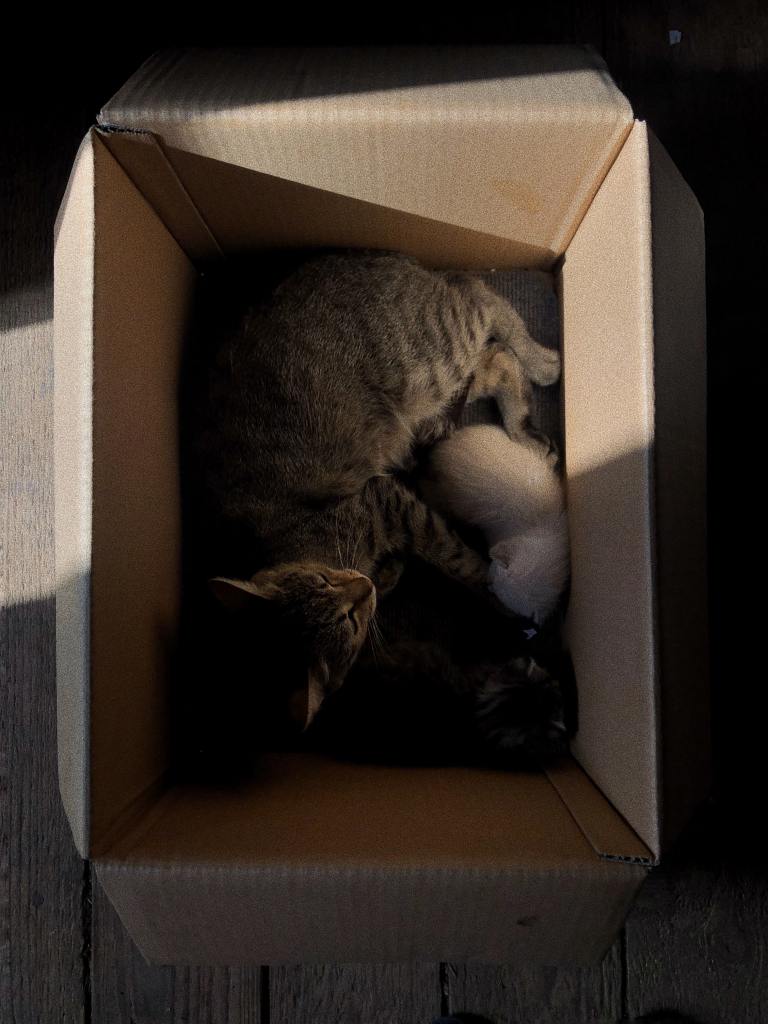
Many people live their lives this way. Our minds falsely tell us that not making a decision allows us to live in a suspended state with no repercussions. Well not making a decision is often a decision within itself and can lead to unintended consequences for which we are not ready.

I’m not saying make decisions on a whim. It is important to contemplate decisions, and to plan for the future, but it is just as important to balance this contemplation in order for us to manifest our destiny. Remaining stuck in suspended animation living the same loop day after day is living a life of fear. Life already gives us enough to fear, why bring more undue stress and turmoil to our daily lives?

Our species needs to move away from that mindset towards a more balanced attitude. All of our futures depend on it. Only by deciding can we become attuned with our environment. Only by taking a chance can we grow our resilience and adaptability.

When one learns the Stepping Stones of the Essential Elements of Life™ one can break free of this “stuckness”. It no longer matters if the cat is dead, alive or otherwise.

What matters is that we become equipped to handle as many of the outcomes as possible.

This is what it means to live the ways of “survival of the fittest”.

Before you set a goal work to Find Your Rhythm

It’s that time of year again! The time of year where everyone puts their best foot forward sets new goals or resolutions that they want to achieve and sets forth with aggressive enthusiasm.

I think it’s wonderful that so many people use the renewal and birth of the new year to reset their intentions and work towards creating a better, healthier, and more balanced life. However, way too often these new year resolutions fall by the wayside earlier than we would like.

On average, most people were only able to keep a new resolution for 36 days in 2020, according to a recent poll by OnePoll, data that seems to disagree with the common understanding that most habits can be created or broken within a month. (This common understanding has been debunked many times, even though it is still perpetuated across society)

Why does this happen?

There are many reasons why we do not reach a goal, some of them include:

  • Unrealistic goals
    • In one 2014 study, 35% of participants who failed their New Year’s Resolutions said they had unrealistic goals.
  • Lack of a plan
    • over half of the respondents (58 percent) said figuring out how to make new positive habits stick during this time was “next to impossible.”
  • Negative Connotations

These are all valid and correct, but in my years of research, I can now conclude that all of these reasons are secondary to the main reason we struggle to attain our visions – because they do not fit with our personal Rhythm.

Defining Rhythm

Each of us has a unique frequency that vibrates out into the Universe and our life is created by the reverberations of those frequencies. The harmony (or disharmony) of these reverberations create our Rhythm. Essentially our Rhythm is our personal connection to the world.

External issues such as trouble manifesting your vision, awkward or unfulfilling relationships, stress, overexertion, and many of our mental ills come from not understanding our rhythm or how to flow with it.

Defining our Rhythm helps us to see what fits in our world and what doesn’t. Finding our Rhythm helps us understand ourselves – who we really are, our capacities, our triggers, our emotions – and then rid ourselves of the harmful pieces that do not serve us or allow us to live at our highest and best.

A Rose by any other name…

This concept I call Rhythm has been discussed before in different terms and from different perspectives. Rhythm, Flow, Balance, Harmony, Chi – these similar concepts all run parallel to the idea of being in tune with your environment and working with the energy instead of against it.

  • Harmony – defined as the quality of forming a pleasing and consistent whole.
  • Chi – (also spelled qi) is defined as the vital life force or energy that runs through all living beings. It is the essence of existence that flows through each of us, uniting the body, mind, and spirit.
  • Flow– is defined as a state of mind in which a person becomes fully immersed in an activity. Psychologist Mihály Csíkszentmihályi describes flow as a state of complete immersion in an activity. While in this mental state, people are completely involved and focused on what they are doing.

Harmonious Dissonance

Rhythm is composed of both our energy vibrations and the stillness we allow in between. The stillness is just as important as stillness can quell the aggravation we feel when the objects around us are not working together to create harmony.

When there are multiple vibrations or sounds happening at the same time they can either become harmonious or dissonant. Harmony makes us feel better, it helps us enjoy the beauty of the instruments and we can often get feelings of euphoria, relaxation, and calm when hearing beautiful music.

Dissonances between us and areas of our life can create stress, anxiety, depression, and other emotional issues that can trap us from finding balance and peace. (Once we are more healed we can add some practical Dissonance back, but we first need to heal in order to create a good foundation. While distasteful to many, Dissonance still has beauty, as it creates space for change and growth pushing us to a new level of understanding.)

What we Gain

Clearing out some of the dissonances from our Rhythm can help us:

  • Gain focus and live life purposefully
  • Find Balance between the Harmony & Dissonance
  • Create Peace for ourselves and others
  • Feel Better overall

Finding our Rhythm helps us better gauge what is meant for us. Our Rhythm helps us see which goals or resolutions can help us become who we really want to be and it allows us to create a realistic plan that fits within our nature.

What we ALL Gain

When we work on actively understanding our Rhythm we gain much of the benefits of self-care but not in a selfish way. Much of the promotion of self-care over the past years focuses on only what we need within. This is a very necessary first step and correlates greatly with Finding One’s Rhythm, however, it is only half of the equation.

Research has shown that promoting “mindfulness”, a type of self-care, in a population that already is independently minded rather than collectively minded pushes us to hold our own self-worth and view it as unbreakable and whoever tries to reason differently with us is the enemy and should be ignored. That is the exact opposite of what we want in a world that is so severely divided.

Focusing only on ourselves, especially in an already independently-minded population can cause us to retreat back to that comfort zone with no plan to re-enter the world. America is a good example of this as we are extremely independent culturally. Think of all the people who have thin skin today, how one comment can cause us to fly off the handle, the aggression that seems to never dissipate.

Getting to know our Rhythm allows us a space to get in touch with ourselves, but also gives the necessary space that allows other people’s rhythm to grow into harmony with us, rather than working to separate us. This helps us focus on goals and resolutions that serve us and could also serve others in our environment.

Interested in learning more about Rhythm and how to find yours? Please continue to follow this blog.

Ready to start finding your unique Rhythm? Sign up for our new program “Find Balance & Create Peace by finding your Rhythm” starting Spring 2022.

Until next time, take care and live gently.

©Maven Source International, LLC 2022 – All Rights Reserved

Scaling Maslow’s Hierarchy – America’s fatigue

America is exhausted.

Not just exhausted, but overwhelmed with fatigue.

This isn’t something new. We have been tired for one reason or another for decades, but the issue has only grown exponentially in the past few years and has skyrocketed during the pandemic. Many books have been written about how we need more sleep (think The sleep revolution), and advice on how to get more sleep (put your phones in another room, get a better mattress), but the fatigue I am talking about is different than just a lack of sleep. It is an exhaustion of our current system, a rejection of our current way of life. America’s fatigue is presenting physically, but stems from a mental and an emotional exhaustion that we have not yet come to terms with.

Too much fatigue, hyper-fatigue, is dangerous to the psyche and the soul, our society and our world. We are in danger of crossing a line from which we may never return, so it is important to understand the concept of fatigue: why it is dangerous, where it comes from and how to relieve it so we can move forward towards Belonging and a better future for all.

The Dangers of Fatigue

Humans do not function well under a state of fatigue. Fatigue is the inability to exert the necessary physical force one would expect their body to reasonably accommodate. (skybrary.areo) Mentally, fatigue leads to a general decrease of attention and the lack of ability to perform complex ( or worse, simple) tasks with efficiency. Fatigue causes our emotions to run out of control and present in the most negative ways: crankiness, irritability, frustration, aggression, etc. People break down in times of great fatigue, we don’t want to eat, we often cannot sleep, tears come at no notice at all and relationships suffer greatly.

People who are fatigued should not be allowed to operate heavy machinery, but they should also not be allowed to make tough decisions, be in charge of others, or be expected to solve problems until they have rested and recuperated. Fatigue can take time to expel, and often requires multiple days of rest and even sometimes counseling before it will fully dissipate. The fact that we are allowing a mass fatigue to perpetuate throughout our society is irresponsible. The fact that we cannot recognize it is scary.

Why are we Fatigued?

Americans have always pushed the envelope when it comes to “making the most of our time” or “living like there’s no tomorrow”. Our country was founded on the principle of always wanting more: more freedom, more land, more choices, more resources, etc. The benefits of this mindset is that we seek growth and always want to achieve greater heights, however, even with the best of intentions this concept provides false expectations. Unending growth is just not possible. We cannot take and never give, we cannot work and never rest, the law of the universe is that we must stay in balance. One of my favorite explanations of this is from ‘The sword in the stone‘ where Merlin explains to Wort that balance makes the world go round.

In our current world we believe that we can say NO to this guiding principle and use the concepts of money, technology and size to stress and stretch and warp the environment to strive for constant growth. Americans glom onto these concepts as guiding principles to a good life. Ideas such as “big is best”, “only the strong survive”, “money makes the world go round” and “technology is inherently good” (unless your enemy wants it too) are catch phrases that we live by with little regard for the fact that anything else could be true.

We have given our leaders the ability to trick the system because what we want is more important than what is best for all. What we do not realize is what we give up in return for this foolishness. Like Pinocchio and the boys on Pleasure Island, we are in danger of turning into asses if we do not mature enough to realize that unending money, pleasure, partying and fun is only part of the equation. In fact, we are already seeing the repercussions of our folly in our current environment by the sheer amount of different types of fatigue we are currently experiencing.

A Myriad of Fatigue

The myriad of collective fatigue we are experiencing can be separated into the following categories: Fatigue of Change, Fatigue of Expectations, Fatigue of Decisions, Fatigue of Emotions

Many of these fatigue experiences have similar sources and can also be linked back to the distractions of money, size, technology and our unending quest for pleasure. Exacerbated by the fact that we have not yet reassessed our social contract, we are also struggling to connect with what our country and society stands for. People without a country, people without beliefs and culture that tie us together, are forced to go it alone and that isolation and fear only adds to our fatigue. Our lack of connections strengthens the fatigue as we have nothing left to recharge our soul but our piles of stuff. Worse yet, we have lost our connections to the past and most ideas have lost their meaning. Without meaning and without history we are in danger of becoming nothing.

Fatigue of Change

Change is a tough concept, but one we continuously face. Change can be exhilarating if we choose it, but excruciating if we do not. Often, changes come at us and make us feel that our ENTIRE world is being turned upside down. This allows the panic and fear emotions to creep into our psyche and craft an unrealistic view of our environment. Living in a time of unprecedented dynamic change, its not hard to see how many people could be struggling with all of the differences they are faced with every day. Struggling against change causes fatigue, struggling to create change does the same.

The world has awakened and erased the borders that so many conservative Americans had tried to keep in place. Those who had created a bubble around their lives in order to keep change at bay are now struggling through ambiguity and with a feeling of loss. Not so much that they don’t want others to have what they have, but more a fear of losing what they have or maintaining their planned future for their children. Whether or not these fears are irrational or unfounded, intercultural misunderstandings and a lack of awareness and understanding in general have created an uneasy, unfamiliar environment that this group is struggling to rebalance.

Others formerly ostracized for different reasons have now gained a sense of power and are ready for change and opportunity. While happy with the change, it feels like a constant fight; one that brings with it waves of weariness, anger, and pain. Change feels too slow at times, but also can bring surprise when the boundaries once believed to be static are constantly pushed by those wanting even more.

Lastly, a worldwide fatigue has grown from the mishandled and misunderstood pandemic still plaguing us all. Not sure who to listen to, what to believe, or even what to do, many have simply given up and are living with a “Que sera, sera” mindset. Unfortunately for many, this turns deadly and is often irreversible. Still, “revenge” is the new norm whether due to a new appreciation of life or a subconscious death wish and our insatiable desire for “normal” is exacerbating so many other fragile systems in our lives. See how dangerous fatigue can be?

Fatigue of Expectations

Our fatigue has also led to broken down systems in other ways. Our expectations of what life can bring, of how we should treat each other, of expertise and what it means, how we should care for ourselves – all of these have been turned upside down and often we live in a land of opposites compared to the world that existed in my childhood.

We are tired of being polite, tired of having manners, and do not understand why life was ever so stuffy and controlled. Decorum has lost its meaning in many ways, and often we are only concerned with how others made US feel, not the other way around. We have expected so much of ourselves that we cannot go any higher. Men must be soft, but still able to be aggressive or protect their family at the drop of a hat, women must be superwomen able to do everything a man can do; biology be damned. Overtly, these ideas are not unreasonable in theory, but the expectation of always being ON and never being able to stop is contributing heavily to our mental health epidemic.

Expectations are also overblown in terms of what we are supposed to care about. Empathy is great, I highly recommend it, but we expect ourselves to be able to constantly care about the entire globe every day. An extremely unreasonable expectation, it has caused us to go around the bend all the way back to having to recreate awareness. While humans are a compassionate species, evolution takes time and the invention of the television and the internet have not happened so long ago that our emotional capacities are able to keep up. Trying to care continuously, always being faced with someone somewhere needing care, has stressed our capacity to the point it has broken. This has caused us to turn inward and unleashed a tidal wave of selfishness that is circling the globe. If we cannot care about everyone then we decide to care about no one.

Fatigue of Decisions

The overabundance of data, media, and options has choked our ability to make decisions. The instability of our leaders and the constant disagreements between experts has left us feeling cheated, and caused us to stop listening to anything but our darkest selves.

Those out of work are struggling to make the necessary decisions to make ends meet, those who never stopped working are exhausted due to living in two worlds. Work has become so hard that many people have left, some without any idea of what the future has in store. Anything is better than what we have now, they think, but have no idea what they really are searching for and no idea how to make the decisions to get them there.

Fatigue of emotions

All of these stressors have cracked our desire to feel. Fatigue of empathy, but also fatigue of emotions in general. We do not want to cry, and little makes us laugh. Anger wears us out and creates a hole in our heart unable to be filled. With everything going on we have no one to share it with because we constantly feel misunderstood.

Depression is cured for a bit only when drowning in wine, drugs or streaming services. Eating comforts, but then we feel guilt and then back to depression we go. Relationships have grown so hard that we would rather not try. Why open up and try to connect when we will have more trouble dealing with both of our emotions that we do with our own?

Even those determined to go out, to live a normal-ish life, feel ostracized by the masses and angry that they have to deal with all of this. They “revenge” themselves in any way they can, but little brings back the joy they remember from before covid. Those unlucky enough to have it rough before find it even harder to find hope for the future.

Regaining Balance

As we have seen, a world-wide lockdown is not possible, neither for our psyches nor our economy, so what else can we do to get our rest? How do we regain our balance and dissipate our fatigue? By being very specific about our path to healing.

The first thing we must do is re-center our Empathy. Instead of caring about everything, or only caring our ourselves, we must reassess our empathy circles. Perhaps that is just you until you can heal, but have a plan to add others back as you do. Maybe focusing on yourself still allows you to open your circle a bit including your partner, your child(ren), your pets, your family or a friend as well. Keep the circle small until you can feel your strength returning. Make notes about other ideas, people, events, or concepts you care about. As your capacity grows, as you start to regain your health, add them back slowly as you are able. Yes, some things need our assistance now, but overstressing and not being able to act because we are too tired does no one a favor.

We can learn to coexist with change, examine our expectations, deliberate tough decisions and embrace all of our emotions, i is possible and I know the way. With help we can start to regain balance, feel less fatigued and more energized, and gain fulfillment in our lives. The answers to our fatigue are found in the concepts of the Essential Elements of life and they can help us regain our health and our strength. Learning them, understanding them and integrating them into our lives helps us create a path towards longevity, happiness and contentment.

Next time we will discuss another element necessary to create an environment of Belonging that leads us towards Integration. Until then, please take care and get some rest 🙂

Scaling Maslow’s Hierarchy – America’s Divorce

I know divorce. It was a concept introduced to me at age six, when my young parents succumbed to their desires for more and decided to dissolve their marriage. The most destructive event in all of our lives, it threatened to destroy not only our family, but each of us involved either by choice or circumstance. Divorce is not something to be taken lightly, so when I see our leaders asking if America should get divorced, or that many citizens are ready for secession, appalled or astounded doesn’t begin to describe my feelings. Flippantly, we throw around this heavy word, with little regard for neither the horrific experience nor the externalities divorce creates. Want to know what is in store if we decide to tread this path? Perhaps after our journey today, some will be a bit more careful when discussing “America’s divorce”.

A growing trend

Divorce was still a relatively rare concept when I was young, at least in small towns across America. In fact, my best friend and I were the only school mates in our grade to experience this concept personally in elementary school. Thankfully, her parents divorced after mine, so they could learn some lessons on how to be more civil, but divorce is almost always difficult, even under the best of circumstances. So many tears, arguments, screams and nightmares come with the experience of divorce – the more emotional the players, the more dangerous the game becomes. A time of great change and great learning, my childhood stretched my emotional capacity to its limits and forever changed my trajectory in life, but I can only imagine how hard this time must have been for my parents.

Together since 20, at 26 they became the first of their friends, and more than likely their relatives, to experience the concept and head into the painful unknown. Being the first, they knew no teachers able to guide them through this extremely tumultuous time. Unbeknownst to them, they were riding a social “tidal wave” as the concept lost its taboo and peaked in the 80s.

Counting blessings

As a child, I was a victim of my parent’s divorce, so bear little to no responsibility and instead dealt with choices outside of my control. For my parents, they were the stars and the spotlight belonged to no one else. A harsh hand dealt to two people who had longed to feel special all of their lives. They were the ones who had to make the choice to upend our family, to admit they were inside a mistake that neither were able to fix, to see that there was no future that included both of them together. They had “failed” and no one could save them. To fail with no hope for redemption is a brutal experience for a human being, the harshest type of accountability we can experience.

The pain of emptiness is all consuming. Having something one day, then waking the next without it, gnawed at my insides and created a hole that took years to refill. Divorce makes it terrifying to trust anything or anyone. When your family is broken, your safety and belonging are challenged and one must recreate a solid ground alone. Hesitancy, anxiety, fear and uncertainty fill the psyche and become a constant enemy that fights viciously to overtake one’s soul.

Yet, I consider myself one of the lucky ones in the entire experience. Overall, I still had love. I loved them, they loved my brother and I, so even though we were breaking a part I didn’t have to to lose those emotional bonds; they would just be different. Of course, this mature understanding of the situation did not come easily. It took years of research, therapy, schooling, and maturing to come to terms and heal, and it left lasting scars. Scars, however, that I find bittersweet and am grateful for as they combined to create who I am today, and now allow me to see the situation from multiple perspectives.

Take heed countrymen & women

We think divorce is an easy way out. Americans today are happy to talk about what the land will look like in a civil war, how we want people who think differently to die, how great it would be if “X group” didn’t live in America any more. Those are the thoughts of children. Those are the thoughts of privileged people who have never experienced a group or family dismantled. Those are thoughts of humans who have either never experienced real loss, or are so spiteful for how much loss they have experienced that they want all to suffer along with them.

My parents were young, inexperienced at life and had no connections equipped enough to bridge the gaps that existed between them. Their reality became full of distrust, fighting, and pain; a perceived source for all of their unhappiness. They believed the only way forward was to fail together and dissolve the union. Their coupling had grown so toxic that the only path forward was to separate. Believing they were too different to bridge the gaps, they made the choice I believe they regretted for much of their lives. The strange thing is, they didn’t devolve because they were too different. Sure, they see life differently in some ways, but the thing that broke them was the fact that they were too emotionally the same.

The ties that bind us

Both inadvertently ached for the same thing. An ache that created a shared commiseration that was unable to be filled by the couple they created. The bond they shared was ultimately the same thing that pushed them apart. Neither of them felt they had ever really experienced unconditional love and support. They wanted what most of us want…someone to recognize what made them special.

Neither realized the depth of the hole this left in themselves or each other. This lack of realization meant they were unable to fill these holes within themselves or each other. Over the years, this continued to cause anger, frustration and ultimately resentment. They were unable to see that the same insecurities that plagued them also existed within the other. Even if they had, their age and lack of experience left them unequipped to help the other.

Of course, back in the mid-80s neither understood this. All they really understood is that they felt unappreciated and unloved. They were not getting what had been promised, because they did not understand the promise in the first place. It started with little things: slights, jokes, and spending less time together. It grew to outright cheating, and then anything to impose the same hurt they were feeling. Hatred was easier than fixing anything, blaming was easier than admitting anything, and so came the divorce. Each were convinced the issue was with the other, and both claimed to be the victim. They never really looked inside to see their contribution to the problem, and neither fully understood their affect on the situation. Neither wanted to see the shared pain, misery and confusion that they both had caused.

Americans think this is what they want. We like to feel we are ready for war. But that’s because we watch too much unrealistic media. Divorce is a breakdown of a shared culture. It happens when we not only stop getting what we want, but it starts to feel impossible to get what we need. The problem with America today is that our wants and needs are all mixed up. We need to redefine and reassess what matters. Take stock in what we have and really think about the importance associated with whatever we feel may be missing.

If not….

Divorce is a cool war, not a cold one. Everything is okay until it’s not. We can live on our phones talking smack to each other, feeling happy at the zingers we sling, and all is fun and games until both sides want to control the same thing. The first time both parties desire the same thing tensions rise and anger flares. In a divorce, the law takes over and the fights take place between lawyers and mediators, with violence a rare occurrence. This will not be the case if our country divorces. If our country divorces the fights will take place on the streets, in our neighborhoods and our cities with little regard for the law.

This divorce will be messy. While our country once had many neighborhoods whose inhabitants saw life from a similar vein, those borders have turned to vapor and diversity crisscrosses our land. America has been restructured based upon preference and much less based upon necessity or segregation. People live where they like: city/country/suburbs, hot weather vs. cold weather lovers, etc. All races, sexes, genders, shapes and sizes fit within each of our segments and Americans of all kinds live side by side.

What on earth do we think this would look like if any groups tried to secede? Who will give up their coasts, town squares, city councils and other aspects of life to move elsewhere and take up sides to fight a silly war? Ideas are grand, awareness is good, but action often looks different in practice. We need to be realistic. We need to take a breath. Let’s all be a bit more mature than my young parents exploring love and family for the first time.

Moving Forward

Groups at odds must first be understood if we want to erase their anger. Our hurt drives us towards hate. Hurt that comes from many places: changes that are too quick, or not quick enough; intercultural misunderstandings; dreams that feel out of reach; assumptions about our character; a lack of trust and/or empathy in our daily lives. Many of our people are suffering from feelings they struggle to understand, and emotions they are unable to diffuse. While it is unthinkable to believe one blog post can help bring clarity to these issues, I will humbly offer one strategy that has helped me and mine create a strong culture of trust. My hope is that this suggestion could help one or more people out there, and the more we can help the less chance we have of tearing our country apart.

AFDA

The AFDA method helps to transition our emotions to something manageable and proactively provides a path to harmony.

A – Admit – In order to solve anything, we must first admit what is happening. Identify and define the issue to provide clarity to the emotions one is feeling.

Example: I am feeling hurt because my spouse over talks me when I am sharing things I feel are important. This hurt makes me doubt myself and resent them.

F – Forgive – It’s totally okay to feel any emotion one feels. All emotions are human and natural and we do not have to be perfect. Our feelings do not make us unsavory. Our spiteful actions spawned from our emotions cause our shame or self disappointment.

Example: It is totally okay that I feel these emotions. I am human and deserve to be listened to because I matter.

D – Decide – Decide what you want. Do you want to be right? Do you want the other person to admit they were wrong in their actions? Do you want things to change? What should it look like? REMEMBER: It is often not possible to be right AND get what we want. It is important to choose which is the most important part in order to be successful.

Example: It is important to me to fix this because I do not want to feel this way any longer. I should find a way to share this with my spouse in a constructive manner to help us move forward together. Even if I am the victim, and did nothing to cause this I need to take control of the situation as my happiness is up to me. If I do not speak about this, or find a way to fix it then I am allowing myself to live in a vicious cycle that will cause me pain.

A – Act – Put your decision into action. Divide the action into steps if necessary and reassess along the way. REMEMBER: Action often needs repetition to create new habits. Do not be discouraged if things are not fixed right away. Keep repeating this process, if necessary, until you get the desired results.

This is the start of our Belonging – understanding the problems in order to create the necessary solutions. Seeing our part and doing our part to help change things for the better. Please join me next time when we dive deeper into our bridging our gaps and uncover additional ingredients necessary to raise our vibrations and scale Maslow’s hierarchy.

©Maven Source International, LLC 2021 – All Rights Reserved

Scaling Maslow’s hierarchy – Part Three – The road to Survival

Heading into survival, all bets are off. Fear rules the day, and wariness presents itself in all interactions. Scarcity abounds and life becomes a daily fight to make it to the next morning.

As a country, we are heading towards a collective Survival experience at breakneck speed. Our illusion of control is beginning to melt away, and our desired state of prosperity is fading due to the sheer amount of incidents that are becoming difficult to ignore. Emotions have taken hold of our psyches, more negative than not, and our connections to each other are paper thin, dangling over ever growing flames.

A pile of problems

Survival is not usually a chosen state. In fact, it is a state that many fear and strive to stay away from at all costs. When Survival is at our door our anxiety heightens and depression claws at our throats making it difficult to swallow. Our dreams of safety and comfort are no longer a possibility and we are faced with the choice of running, fighting or falling into a strong state of denial.

Every day more Americans are slipping into this state as we wade through an ever growing trend of epidemics. At the time of this writing we are dealing with: a worker shortage, inflation, water shortages, supply chain breakdown, collective trauma from the Covid-19 pandemic, opioid & overdose epidemics, our failure in Afghanistan, discontent with China, wildfires in the west, floods in the east, plus upticks in crime, suicide, murder and aggression all at the same time.

These stressors may not even be understood by a large swath of our populace, but one needs not to watch the news or even be online to feel the heavy blanket of aggression, fear, frustration and strife that is covering our country. Feelings that we cannot process because they are not understood are the most dangerous we can have as they often cause us to lash out uncontrollably in ways that we would never imagine.

We need to find a way to release the anger, and who better, we think, than to target those who believe in a different world view. Debates turn into fistfights, we scream dirty words at each other online hoping to crush the receiver with little care that there is another human on the other end of the line. We are in dangerous territory, and one where few of our populace has any idea of how to survive if this shit gets real. 

If we continue down this path, things will eventually bottom out. Perhaps it is inevitable. Common knowledge tells us that it is only by hitting rock bottom that we achieve clarity and can then progress towards something greater. That may be true, and for many IS true, however those who see this as a “win” tend to forget that hitting rock bottom first starts with a path full of self destruction. Very often bringing one to the brink of death. On a larger scale, this path is exponentially worse, bringing about war and the collapse of society.

Propping things up

Why, if so many tragedies are in our midst, can we not see what is headed our way and correct ourselves? 

  1. Our size makes it difficult for our citizens to experience similar tragedies simultaneously.
    • While the West is burning, the South is flooding and neither can empathetically understand what the other is going through.
    • If one grocery store runs out of resources, many can simply drive a bit further to obtain what they want.
  2. Technology
    • Our technological prowess has added a complexity and a solidity to our structure that we will strive to keep as long as possible. Renewable energies will most likely guarantee that a majority of our populace will always have some connection to civilization of some sort for the foreseeable future so we do not sweat a collapse.
  3. Money
    • Often when things get bad, we have a tendency to throw money at the populace and hope the issues go away. Sometimes this money is set up wisely, but many times it is a short stop gap that then allows crony capitalist tendencies and leads us into the next disaster with little regard for any lessons we may have learned.

Our belief

The biggest reason we cannot see what is headed our way is our belief in ourselves as a people and as a nation. Since birth over the past few generations we have been bred to have an overwhelming sense of belief in America and its people. We live in a country that loves to be in love with ourselves. American exceptionalism is often seen as a matter of fact. Ask most Americans, no matter what “side” they are on and they will agree that we have the strongest economy, the strongest military, and freedom, God, and democracy seem to thrive here more than anywhere else.

American’s belief

Americans tend to believe the fairy tales and heroic episodes that Hollywood creates. Heroes constantly triumph over dystopian rulers and other evil doers that would cause us pain and give us hope that we will see the same endings in real life. Our written history latches onto our successes (WWII, Civil rights, the moon landing, etc.) and mitigates our failures ( the Vietnam war, slavery, the war on drugs, etc.) finding reasons to explain away our mistakes rather than learn from them.

This tendency for optimism also expands to our own lives, especially when it comes to our survival. One in five people do not believe we will ever have an apocalypse, and of those who do a large amount (42%) believe they would survive a week or more during one.

 Many of us like to fantasize that we are the ones who will kick it into gear. We will be a leader, or at least second in command, making the hard choices, finding supplies and survivors, banding the group together when things get tough. At the same time, only about 17% of Americans have a plan today if an apocalypse should occur. I suppose it is possible to survive without a plan, living by one’s wits and a little bit of luck, but I’m not sure if that many people are witty or lucky.

Harbingers of the future

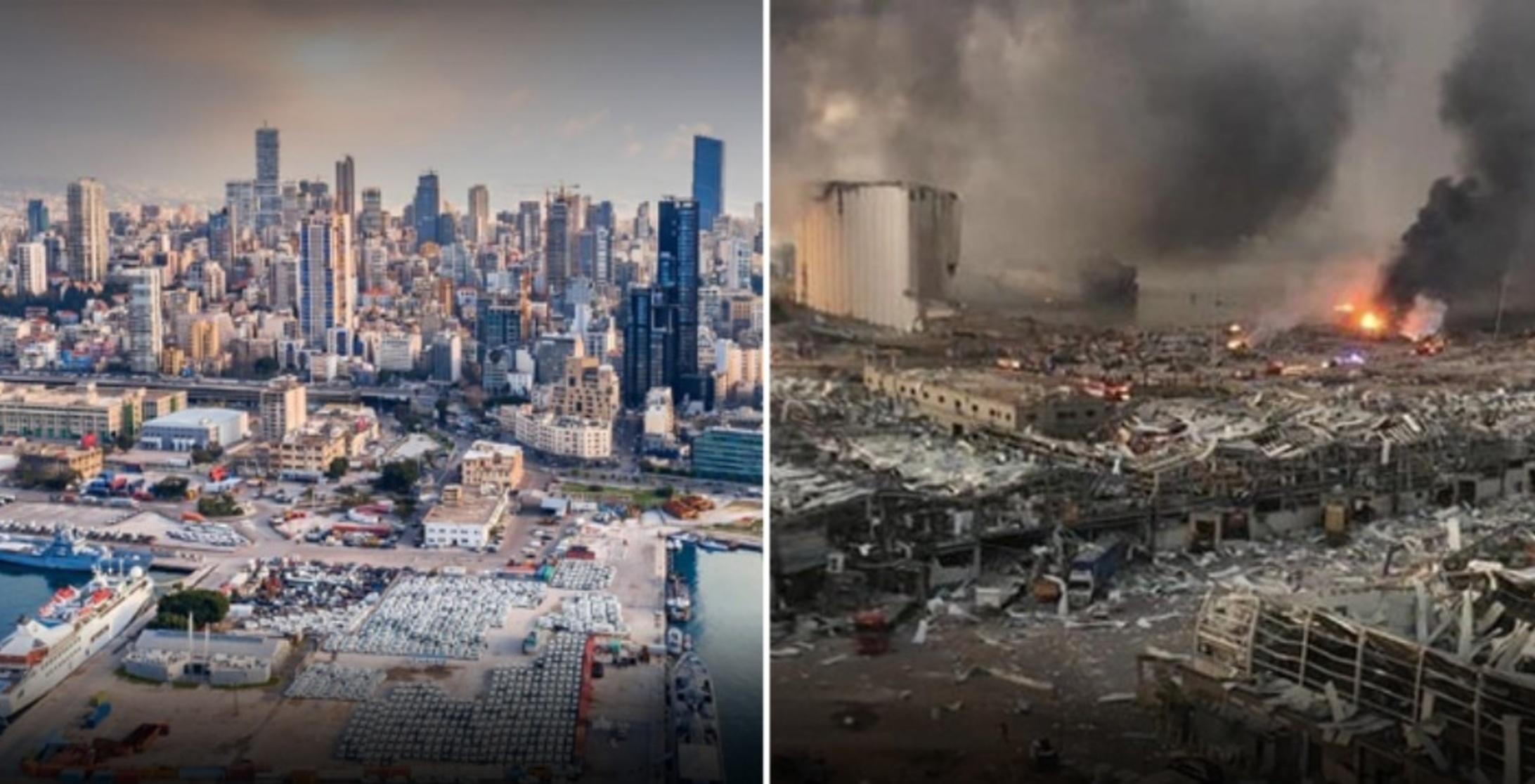
Many examples of what this new normal could look like are foreshadowed in our world today. Take Lebanon for example: their economy collapsed under the weight of multiple catastrophes and the government finally succumbed to their (often self inflicted) wounds. Whenever we hear that a government has collapsed it probably brings with it images of buildings destroyed, terror running rampant, people running fearfully for their lives, but in real life it can be much more quiet and unassuming.

A Sorted History

Looking at Lebanon can provide us a window into what we may have in store for us if we continue heading down our path of divisiveness, greed and ignorance. Lebanon’s citizens headed for the same civil war that other countries balanced on the border of in the 60’s and 70’s, and due to a lack of interference from the outside world, this civil war lasted until the 1990’s. While we were waking up to the internet, they were waking up to a new beginning of hope and peace. That uneasy peace between the people is now on the edge of failure once more as the country has slipped into a place of survival.

How did this happen? The world was convinced that Lebanon’s worst days were behind them as they worked their way past their civil war. Soon after the tribulations it became touted as “a vacation spot, a tourist mecca, home to a thriving middle class” it was a beautiful, vibrant country that felt like it had weathered the worst that fate had to offer. Underneath, however, they were still being plagued with insolence, corruption and greed, creating an economy more similar to a house of cards.

Then in 2019, a huge explosion that destroyed much of their grain reserves became the straw that broke the camel’s back. The government lost confidence in itself and disbanded, banks froze withdrawals, medicine availability dropped, periodic blackouts are the norm. 70% of the population doesn’t have enough food or money to buy food, and people are waiting in gasoline lines for hours a day with no luck and little hope.

A possible future

Their country is experiencing a collapse that could lead to them becoming a failed state. A series of events, both intended and by accident, that slowly deteriorated a society’s belief in itself and created a slippery slope for the populace. While this is happening in a smaller middle eastern country, we must not be so arrogant to think the same situation couldn’t or wouldn’t happen here.

Our size, our money, and our standing in the world allows a type of myopia that is dangerous. Focusing only on ourselves it is hard to see that our country has already broken into multiple pieces. The size of those pieces allow a mass delusion of comfort, but make no mistake, the pieces are still cracked and severed.

We may believe that we are invincible, but if we are not careful reality may be quite different than we imagine. Especially seeing as we have made and continue to make similar mistakes. We prop things up continuously, allowing our economy and our government to be hollowed out. Our constant desire for more our only saving grace to keeping this system intact. While our pasting and stapling have seemed to stave off the worst thus far, do not be fooled. Our apocalypse is on the horizon, in fact it is already here, and will feel more like a slow moving death.

Jared Diamond, a renowned anthropologist predicted this slow road to societal failure in his book Collapse: How Societies choose to fail or succeed in 2015, when discussing the possibility of a collapse of the United States. He says “Much more likely than a doomsday scenario involving human extinction or an apocalyptic collapse of industrial civilization would be “just” a future of significantly lower living standards, chronically higher risks, and the undermining of what we now consider some of our key values“. (Diamond, 2015)

Correcting our Vision

Lebanon’s shared culture and collectivism has allowed them to stave off mass chaos, but war is already on the streets and is only getting worse. Our unshared culture and home grown division will push us to the brink more quickly, at each other’s throats like a couple in the throes of a horrific divorce. In order to stop our forward progression towards destruction, we must first decide that our countrymen and women are friends, not foes. Only by bridging our divides can we stem this path towards destruction. This means creating a new social contract where we are all bound together by the things we have in common, and distancing ourselves for a time from that which divides us. We can create a path towards Belonging. The work will be difficult, but worth not losing our country or ourselves. 

Next time we investigate this path towards Belonging and the necessary ingredients we need to activate in order to move towards a more peaceful environment.

Scaling Maslow’s hierarchy – Part Two

Our current level is Safety.

We’ve been here before.

In fact, we have been on a rollercoaster of sorts throughout time, continuously drifting up and down Maslow’s hierarchy over the centuries.

America is not unique in this journey as every nation and empire has followed a similar path; the main difference coming from the choices of the people. Cultural proclivities such as attitudes about technology, conservatism, time and change are additional influences that affect one’s trajectory. When something new enters our world we tend to recalibrate in order to accommodate, reject or integrate with the new concept, trend or group.

Recalibration opens up the possibility for power shifts and these shifts then push us from one level to the next. Today, these recalibrations seem almost constant. Change accelerates today faster than any other time, which is jarring, but also gives us the ability to see the patterns more easily within our lifetimes. We can use these patterns to create a better future, however before we can talk about the solutions, let’s take a look at our historical trajectory to provide some context for our current environment.

A Walk through History

Looking at recent decades in American history we can start to see a pattern of collective shifts between the hierarchy’s levels. While we could trace this path back centuries, it makes sense to start with a time most Americans find familiar. Let’s start in the thirties with the Great Depression.

A Depressive Sink into Survival

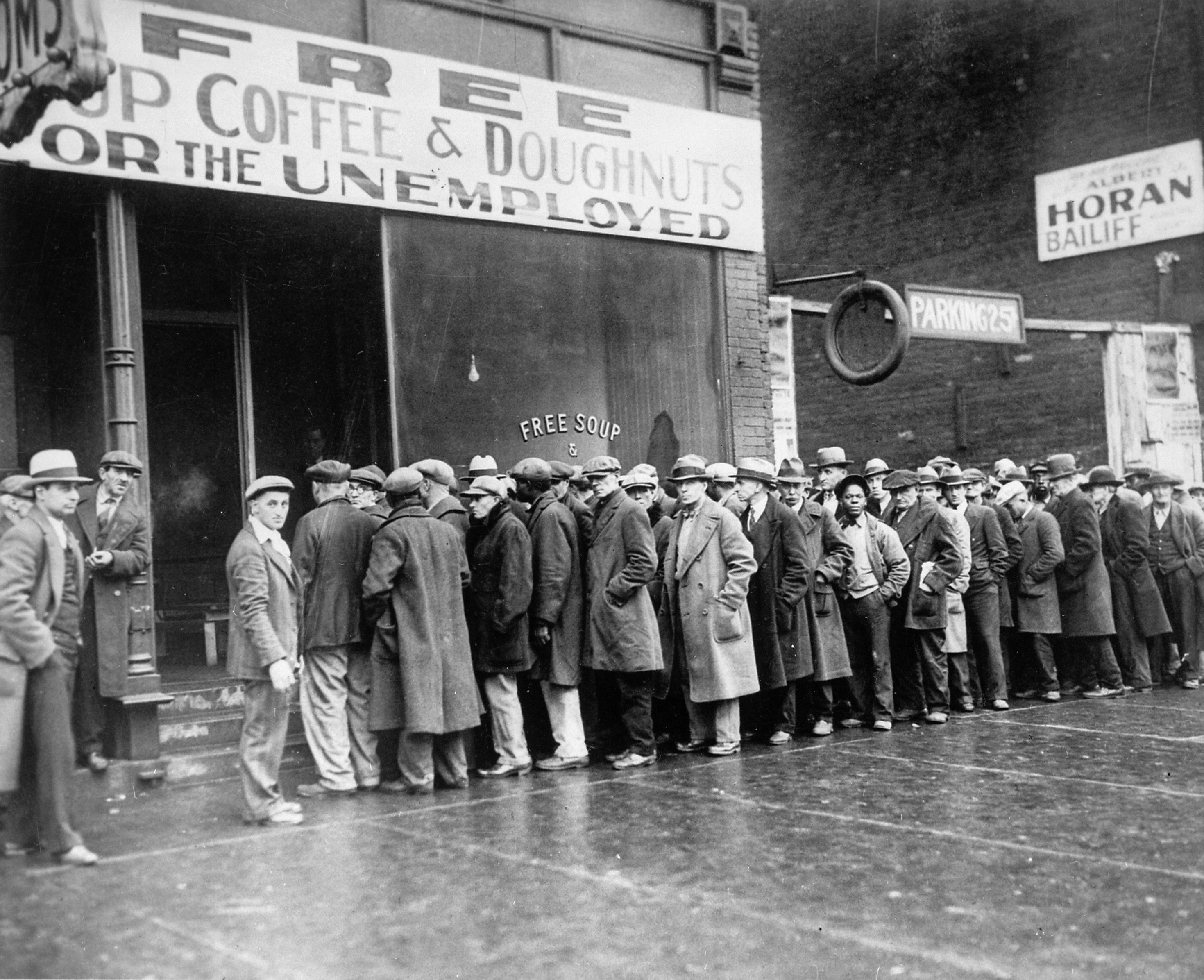
The Great Depression (1929-1939) would have been a harsh reset into Survival from the highs of the twenties. Many with the most to lose felt a lack of hope so great that they ended their lives rather than have to start to build again. A “Gilded Age” of strong economic and technological growth had been rising since the 1870’s and seemed to offer the masses a promise of a better future.

Unfortunately, hubris grew high and we allowed our greed to blind us from seeing reality. Little to no regulation coupled with a desire for opulence toppled our over inflated economy, and our country paid a high price once everything fell. Today, the Great Depression still lives in our minds as the worst economic situation we have faced as a country. A time of struggle, where so many suffered that we made a collective promise that we would never allow it to happen again.

A bread line in the Great Depression
Storming the beach

World War II saved us from the survival mode of the Great Depression, and drove us quickly into Safety. A war we didn’t want finally showed up at our shores and overwhelmingly we all became Americans who had to defend our nation. Americans were asked to sacrifice for their nation by giving up the little luxuries they had left. Volunteering for the war effort was a source of pride because everyone was doing their part to keep our borders safe.

Laws were passed during this time to provide a safety net for those who had suffered through the Great Depression. Before the war America was not a super power, we had yet to become the biggest kid on the block, so there was a lot of fear that we may be taken over by another nation if we didn’t get this right.

Post War Reset

WWII provided a sheen of belonging; one washed away quickly at the war’s finale. While we had won and it was a time to celebrate, soldiers came home to see their world had changed (or had not changed enough). Women were working; men had to fight for their jobs. Reality set in and the ever growing middle class was still out of reach for those who looked different from the majority of the population. While one could say the sheen of Belonging was purposely promoted as a guise to gain America victory, more likely it was a bout of wishful thinking that allowed us to run head first into disappointment. It sounds good to promote equality, to say that we are all in this together, especially when we had all been in the same trenches, but reality is much more than words and thoughts.

Trust dipped for “outsiders” more than it had during the past decade because we were back in control and there were more resources for the taking. Our population was fragile, and it was easy to create enemies. A once tentative partnership with Russia, so important for winning the war, was torn to shreds. Sputnik and Communism would be the death of us all, and Space became the final frontier.

A Recalibration

Fear has two sides and the push for a reversal to the way things were before was just too much to bear for the groups who had gained so much freedom during the war. Pandora’s box had been opened and we had all seen too much as a country to let progress be stopped. Civil rights, the women’s liberation movement, opposition to the Vietnam War, Mexican American’s fight for rights, environmentalism, and equal opportunity for people with disabilities all had huge movements in the sixties. Counterculture, they called it; Equal rights the request.

A huge movement towards progress was promoted by those marginalized and it pushed for a collective sense of Belonging. “Make love not war” was the slogan of the decade. Hope and Change were the ideals of the masses. Belonging had a good run during this time and lasted into the seventies, but not because we were heading to a utopia. We held onto hope as we moved towards the seventies because the sixties were also a time of pain. So much pain hit the populace in the late sixties with the loss of great leaders and the collective struggle to gain acknowledgement that we all felt Empathy for each other and for our nation.

It didn’t last long. In fact, the seventies brought with it a slew of alternate realities. Empathy started to dissipate amongst those who fell through the cracks. Crime rose as the promises made to many never fully materialized. Our leaders struggled to find a way to keep us from sliding back down the hierarchy. They offered us sports, toughened our laws and reopened Wall Street.

From Hippies to Yuppies

Money in the Eighties created a smoke screen where many were lulled into a sense of Esteem. The world seemed ripe for the taking. Technology was overtaking the world and everyone wanted a piece of the action. Our issues seemed to dissipate with many in the mainstream believing that sexism, racism, and all the other “isms” were in the past as the best, brightest and luckiest of our subcultures saw a jump in upward mobility.

Freedom was on the menu: we could wear what we wanted, act how we wanted and it seemed like anything was possible. Independence was felt in the laws of the land all the way from mass deregulation to the greater acceptance of divorce. My childhood told me that we could be whomever we wanted to be as long as we worked hard enough.

Belonging with a twist…

Resiliency is a double edged sword. Once again, the broken promises of the eighties were felt in the nineties and still our country was not reconciled, but many of us growing up during this time saw something else. To us, it was a different world where it didn’t matter if you were Black or White. Where we all wanted similar things at our core, yet wanted to learn about each other’s differences. The nineties became a world of mass customization where individual stories gained importance and people of subgroups felt safe enough to become who they really were instead of living up to a cookie cutter existence.

The adults saw it differently and as the saying goes “what goes up, must come down”. The idealized world that was on the cusp of existence became too much for those in power to handle. They saw a world growing out of their grasp, a sea of different cultures that had more in common with each other that could take their power away. Companies were allowed to take what we once loved dearly and commercialize it; creating a world once again bathed in plastic meant to keep everything the same. Once the internet was commercialized the lure of it was too much for the masses.

The Beginning of the End…

So started our downfall. Fear grew as the year 2000 approached, and, coupled with the attack on the World Trade Center, our world again became fragile. There were those that worked hard to remind us that we are all Americans and with slogans like “Hope and Change” and “Yes, we can!” we held onto Belonging for awhile but it was too difficult to keep.

The pressure, and the responsibility, was just too great. If one has not reconciled their own pain it is difficult to push a narrative to others and our country had never truly healed. Pressure causes cracks, and the current pressure heaped upon nations seen as global leaders today is the heaviest yet. Our “experiment” could not yet be called a success as our populace was not ready. Every side is ultimately concerned with getting what they are “owed”. Hurt emotions stemming from our past are still too difficult to overcome, and impatience with groups that have differing views has eroded the little trust we had built. We spiraled into a land of ambiguity and pain where our fear of real change and our lack of growth has caused us to slip decidedly into a land where Safety matters most.

Tunnel Vision

Living in Safety shrinks one’s “bubble”, causes tunnel vision and allows us to stop caring about our neighbors because we see them as a threat instead of part of our community. Fear of change feeds upon itself and conceived dangers trickle into every aspect of our lives. To combat these feelings we enact more laws, strengthen police, and create new boundaries and divisions to help us gain control. When these boundaries do not hold tight we lash out in anger at our perceived loss of self-determination.

Laws can force us together, but they cannot remove our emotions. Emotions need to be reconciled to create a place of peace, and this reconciliation is easily derailed. Each time we recalibrate we have new emotions to reconcile and our fast pace world makes this difficult. Progress has brought diversity, which is great, but as we have blended our multiple cultures emotions become more complicated.

Groups must storm before they can norm and without assistance this work can be overwhelming and bring about distrust. New fears crop up as we are pitted against each other, all fighting for the same scraps that we are allowed. Fear of not losing all we have built has overtaken our desire for Belonging.

Manifesting Safety

The safety zone is characterized by an overwhelming sense of desire to create a safe place for yourself and loved ones. Not just desire, but one of urgency and need. All of our emotions, brainpower, ideas, the entire way we see the world are consumed with this viewpoint. Maslow states, “A man, in this state, if it is extreme enough and chronic enough, may be characterized as living almost for safety alone.” (Maslow, 1943)

Many times we head back to the safety zone if we have been pushed out of our current comfort zone or are heading into a new environment. Today’s environment is new for everyone and some handle ambiguity better than others. Think of the acts of aggression we continuously experience through our screens. Many of these acts come from a place of fear of losing control. We see this with the parents that have turned into activists, yelling emotionally on the subjects of masks and vaccines. People who feel a lack of control, who may otherwise have things together, will lash out when their control is challenged.

Other times such actions can be characterized by a fear of losing face. This fear grabs hold of our minds and makes us believe that everything we once knew will now be considered wrong if we accept the new idea. For example, a lot of Americans, many of them White, are struggling to accept that America has a flawed and racist past.

Doing so, they believe, would mean everything they work for, everything they stand for, everything they know and find comfortable would then be tainted. It also means they have more work to do to explain this to their children, balancing their self esteem with the burden from one’s past. We ask a lot of parents today. Coupled with our trends for nixing nuance and context, we live in a world where something tainted is rarely redeemable. This causes a cycle that we cannot escape and pushes us further into our respective corners.

The mainstream has become flooded with our desires to stay safe, or find control. Safe spaces at universities, “segregated” graduations and most of our parenting trends have all sided with Safety over Belonging. Militarization of our police, doorbells with cameras, laws that uphold cultural or religious battles, cold case podcasts, and the overwhelming amount of crime shows, are all examples of our obsession with Safety. Investigations into the Catholic church, #metoo, Gymnastics, Facebook and others all center around the idea of keeping us and our children safe.

Painting a Picture of Reality

We live in a time where Safety and security is important because we have a fear of the future. Uncertainty causes us to see everything as a threat and it has now infused our society. This is not to say that threats are not real, and we do have a right and an healthy expectation to live in an environment with less harm. No one should have to live in fear for their life.

However, Safety is not a place to stay and in order to change we need to be aware of our tendencies. Moving into Safety starts a slippery slope, one that we can only consciously choose to be different. If we do nothing, Survival is on the way, and no one would choose that except those with a death wish or an immense amount of greed. If we take stock, realize where we are, and implement ways to bridge these divides we can shift towards a new sense of Belonging. My hope is that this group of essays and the teachings of the Essential Elements of Life will help us see that it is better to move towards each other than further apart.

Next week we will take a look at Survival. It’s just around the corner, but we can stave it off if we try. However beware, there are tradeoffs with everything and Belonging will not be easy. Join me again next week as we unravel the patterns that connect us all and find our path forward together.

©Maven Source International, LLC 2021 – All Rights Reserved

Scaling Maslow’s hierarchy – Part One

What if the answers to solving our problems are right in front of us? Maybe we just need to take another look. Reaching into the past, seeing ideas another way, can help us uncover how best to move forward. This has been my focus for the past few years, and here I will attempt to describe my findings in the plainest way possible. This series will dive into the details of Maslow’s theory, what it is, where it came from, and most importantly, how it can be used to help us understand the mysteries of our current environment. Using this as a prism, we will examine our past, the path we took collectively to arise at our present, and what our options are for our collective future. Part One provides an overview of the theory and sets the tone for the remainder of the series.

Maslow’s hierarchy of needs

Many people have heard of, or have even studied, Maslow’s hierarchy, but often it is nothing more than a mention of human behavior or a short blurb in a text book. Rarely do we truly understand it at it’s depths, or what it really looks like in practice.

Maslow’s hierarchy of needs is an idea in psychology proposed by Abraham Maslow in his 1943 paper “A theory of Human Motivation” in the journal Psychological Review. Wikipedia

Maslow’s Hierarchy

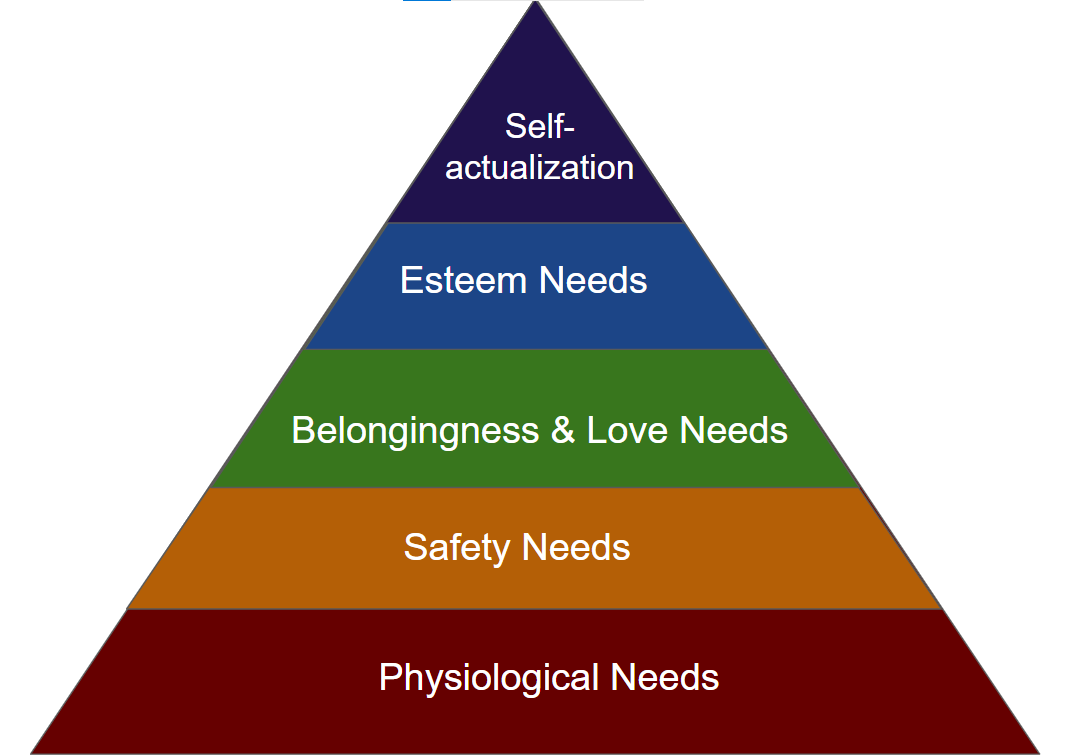
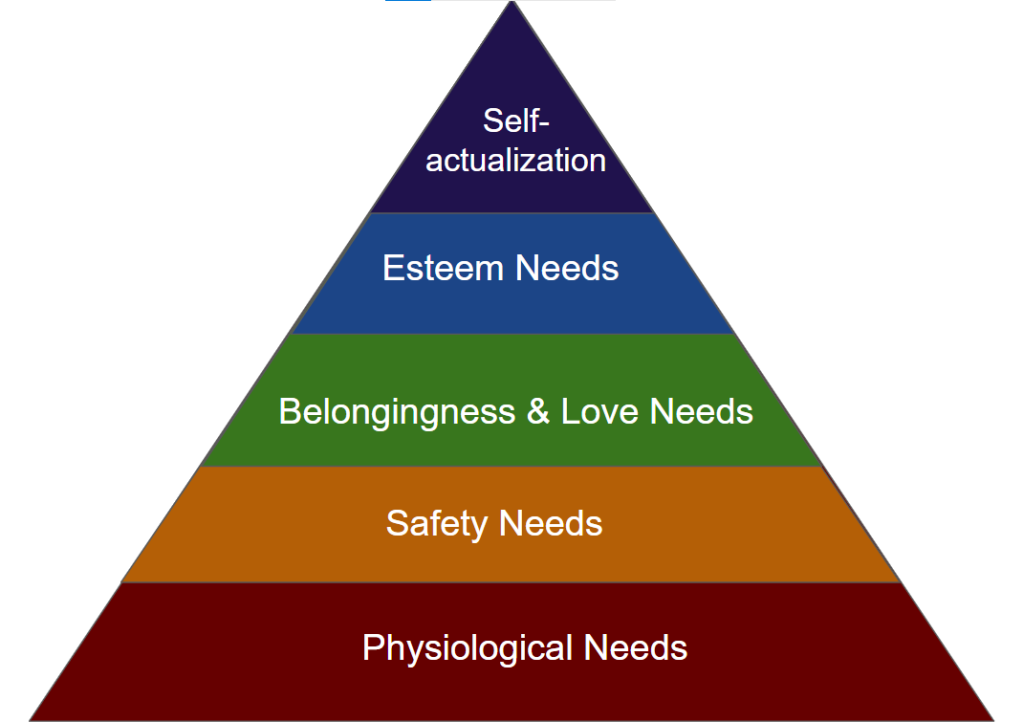
Comprised of five levels: Physiological needs (aka Survival), Safety, Belonging, Esteem and Self-actualization, Maslow’s hierarchy is seen as a way to explain our trek through life. Seen as a pyramid, each level can be compared to a video game, where each level must be completed prior to focusing on the next. Each level is so consuming that even if the needs above are offered the subject may ignore or not understand them as they focus on the level they are working to satisfy.

Understanding the Pyramid

  • Survival focuses on obtaining a consistent influx of the necessary things we need to survive: food, water, shelter, rest.
  • The Safety level concentrates on keeping that consistent influx secure as well as creating an environment where one does not constantly live in fear.
  • Belonging awakens our need to fit into a community, to find a partner or a group and create a family where one feels loved and is able to give love to others.
  • Esteem brings with it the desire for respect and a need to be seen for what one can provide to their communities and to the world. When working on the esteem level we become focused on our reputations, how the world sees us and what we are able to achieve in life.
  • Last, but not least, if one is able to attain each of the previous levels they will then move on to self-actualization. Maslow describes the desire at this level as “what a man can be, he must be.” (Maslow, 1943) This level’s goal is “self-fulfillment” or living up to one’s potential. The epitome of being able to create one’s best environment in which they can thrive.

Two sides of the coin

As with most things, each level comes with their own tradeoffs, as well as repercussions to ourselves and our place in society if we are unable to meet them.

  • Not meeting survival often means a cessation of one’s life or at least their ability to care for themselves. When one must solely concentrate their day on getting enough food to eat, a place to sleep, enough rest to function and clean water to drink there is little time for anything else – even with the best of intentions.
  • Having the basics, but not feeling safe, leaves one anxious, fearful and constantly on guard.
  • Struggling to reach belonging, something many people suffer from today, leaves people with a hardened heart, a lack of empathy and a spiteful outlook on life.
  • A lack of esteem, or the inability to seek and/or discover one’s purpose leaves us with a feeling of inferiority, a low self-esteem, and a horrible sense of depression. We feel we do not matter, are not needed, and have no direction.
  • An inability to reach self-actualization creates a feeling that one has failed at life.

A Shared Experience

Normally, Maslow’s theory has been focused on an individual perspective; something each of us work through during our lifetime. However, I believe that throughout history, all humans have worked to fulfill these needs both individually and as a group (comprised of one’s family, community, nation and/or world) in both conscious and unconscious ways.

Our world is an organism, and has many attributes that we could ascribe to a human being. Many theorize that we also have a shared consciousness affected by our feelings, thoughts and actions. Our world can grow to be harmonious or hellish depending on what we value, how we treat each other and what we digest. Just like we need to keep our own bodies healthy, it is extremely important for us all to keep our nations healthy as well. Given the ability to be healthy and find fulfillment, we then collectively are able to have empathy for our neighbor and want our citizens to attain their highest and best.

However, when our bodies are sick we do not function well and become divisive and angry. Illness leaves us often unable to think clearly and we portray negative emotions such as anxiety, fear, stress, depression and judgement. The same happens to our society when we have an inordinate amount of people in our community that are unwell and are struggling to be well. When we have many who are unable to achieve the basic needs in life, feel safe and feel like they belong, we will all suffer the consequences sooner or later. This is why it is important to study our society as a whole using these theories to provide us a lay of the land.

Why this matters

Seeing the world in this way allows us to formulate an understanding of the problems we face. While one theory is not the entire answer, this theory allows us a place to start. We will discuss other theories in future series and compare and contrast their affect on our world. As we see the connections and overlaps, we can start to construct a holistic view of where our nation is struggling and how best to overcome these obstacles to self-actualization. Seeing the truth of the matter helps us to create plans that allow us to diminish these issues.

For example, the Essential Elements of life focuses on helping our Explorers navigate the levels of Belonging, Esteem and Self-Actualization. With our Finding Fusion programs we help people to shed the layers of stress, find fulfillment and create a balanced life. Knowing where you, your community and your nation are at collectively helps us see where to start. Learning the necessary skills to move up the levels can help us find other ways to raise our collective vibrations and create a collective future that works for everyone.

Next week – Part Two – Our current level is Safety

©Maven Source International, LLC 2021 – All Rights Reserved

Brands: Surface level Reputations for an ever-busy world

Brands – one reason our world is heading down the toilet.

Most specifically, the idea of “personal branding” and the immense importance being put upon the concept in our current environment.

Over the past few decades, the idea of “branding” oneself has grown exponentially. No longer, it seems, is it a “nice to have”, but instead a “need to have”, especially in the corporate world. Any cursory search online for “personal brand” brings up hundreds of listings with anything from tips, how-to’s, suggestions, failures, and personal branding “gurus” offering their services to give your brand pep in it’s step. In a world where billions are online, it makes sense that many people are scrambling to find ways to be noticed. Thousands upon thousands work to stand out as unique in order to create opportunities and more importantly, to be recognized as influential. However, when that quest for recognition feeds upon itself: when we become a two-dimensional dossier striving for popularity in a high school-like environment (especially when everyone is mostly concerned with promoting themselves instead of understanding the other brands out there) it defeats the entire purpose and only sows aggression and discontent.

As I launch my own business, I too have stumbled into this arena, working to create content that is both catchy and informative, insightful yet colorful and have found myself stretching out way past my comfort zone into the world of social media in order to show the world what I have to offer. Conceptually, this is distasteful to my psyche and against my nature. Calling for attention feels gross; selling myself at times makes me both physically and mentally ill. These feelings have caused me to question this “need to have” idea of branding.

Where did this concept come from? How does branding affect our lives? Can one really exist online in a way that follows today’s norms while still staying true to our morals, values and philosophy?

For example: the other day, while on LinkedIn, I stumbled across a post bringing up the subject of branding in a way that was unsettling, and the conversation that ensued was surprising. The question posed in the post asked their community if one’s personal life should have an affect on their professional brand. Overall, the conversation focused on the rise of the “Karen” and “Ken” labels floating through society. For anyone that is unfamiliar with the terms, a “Karen” or “Ken” is a person who has been shown on video reacting (usually over-reacting) to a situation where the outcome makes them look racist, like an anti-vaxer or anti-masker, sexist, homophobic, transphobic or some other form of anathema unacceptable in our current environment.

The community comments responding to the post had some level of disagreement, however the overall majority soundly responded “Yes” in one way or another. Seeing the ease that people were able to pass judgement on another without knowing anything about the nuance or context surrounding the situation was extremely disappointing.

The conversations and responses were very much in agreement that these incidents SHOULD affect their brand, and that any repercussions they may suffer due to these altercations were rightly justified. Many of you reading this may agree with this judgement being passed, but I was horrified by the responses and will plead my case here. Let’s take a deeper look at the concept: where branding came from, how and why it became so popular and why it has become dangerous to our communities.

The Concept of Branding

Originating from the Old Norse language, the word brand originally referred to a piece of burning wood. Later the word came to mean “mark permanently with a hot iron.” Over time it came to be used as a verb, referring to marking that which was owned such as goods, animals and (horrifically) people. (skyword.com)

Modern day branding for companies and corporations came about in the 20th century, most likely due to “the standardization of quality products for consumers in the middle of the 20th century, which required companies to find a new way to differentiate themselves from their competitors.” (the Atlantic)

Personal branding for everyday people gained notoriety in 1997 from a man named Tom Peters. “Peters told us that no matter what industry we work in, or where we live, we’re all CEOs of our own personal brand, and that means that we must market ourselves just as vigorously as any product or service.” (fastcompany.com)

By the mid-2000’s, this concept was mostly used by entrepreneurs and small business owners trying to keep pace with the larger corporations to help them stand apart from the group. Those most savvy and on top of technology really benefited from this idea and were able to gain unbelievable recognition with the help of the internet, and more importantly the beginning of mainstream use of social media.

This also led to a boom in the marketing industry. According to the Atlantic, many companies didn’t even have a marketing department until the late 1990’s, but seeing the success that some of these “branded” companies were having caused many to realize that this extra cost was exponentially worth the effort. As we all know, this concept has only grown and spread, promising social media-ites fame, fortune and success if only their brand is good enough.

Personal Branding

Brands are problematic because they allow us to be lazy about connecting and lack the nuance of a reputation. Brands and Reputations are often compared and deemed interchangeable, but they are actually quite different. Before the internet, the closes thing to a “personal brand” was a reputation. Individuals created a reputation through in-person discussions, what groups we spent time with, what information we digested, clothing we wore, and items we purchased. A reputation takes time to build, and is the consensus of how you live up to your philosophy. In the past, reputations reached our friends, our family, our communities; the boundaries based mostly on how far we were willing to travel from home.

It is impossible for the entire internet to know each one of us, so brands have taken the place of a reputation. A brand is a promise to the world of who you are, what you stand for and what you intend to pursue while on this Earth. A visual way to see what people (or companies) are all about, without having to get to know them. A two-page dossier, or a few social media pages shouting your qualifications and strengths to the world.

Brands can be staged, propped up and often tell only the story that the person wants one to see. History has shown it is possible to rebrand something with enough resources, and this is why they are disingenuous replacements for reputations. Think of the amount of companies that are still in business even though they have taken advantage of or caused harm to our populace. Think BP, NFL, and other corporations that you may very well be a fan of that once had a poor reputation but due to successful rebranding were able to stay in the mainstream. Brands are fake, a promise that does not need to be lived up to as long as one has a good marketing team. A concept that allows our populace to continue consuming whatever has the best or loudest 30 second commercial that grabs our emotions and holds on tight.

Regular people do not have good marketing teams. Regular people do not have the money necessary to squash all bad press that portrays them in a bad light. Knowing that does little to stop the judgement that we so easily throw at each other at the drop of a hat. We live in a time where people are kept to higher standards than the corporations that supposedly took an oath to provide us with fair and true products and services. People are judged on one video, post or tweet; each time given 30 seconds to impress us, disgust us, or charm us. We judge how it made us feel, then toss it aside as the newest sparkly things dances before our eyes with little regard for what comes next for the person we just encountered. Yes, there were instances where one’s reputation was ruined prior to the internet, but often one could work to reinvent themselves within their community or in the most dire cases, relocate and start anew. The internet offers no such quarter.

A flash-in-the-pan moment and someone’s life could be ruined, with little chance at redemption if they have no marketing expert by their side. Call it many things, “wokeness“, “cancel culture“, “accountability”, I call it laziness and scapegoating. A way for the rest of us to feel better about ourselves and our choices. A way for us to feel “perfect”.

The way forward

It would be silly for me to say that we should stop using brands. So long as the world is our stage, small fish will feel compelled to make themselves known and the fastest way to do that is to create a snazzy brand. Social media is not going away anytime soon, nor is online communication, and with those concepts we will all continue to feel the need to shine a light on who we are and what we stand for, often in ways that go way above and beyond. My hope is to convince the majority to take more time before weighing in or judging others so quickly, especially when it comes to an incident that goes viral. We need to go back to caring more about reputations, that which is built over time providing an arc of consistency rather than judging someone on what could have been their worst day. Even criminals caught on tape are allowed a trial, time to plead their case and explain their mindset.
To move us in a better direction we much reconstruct our social contract. I mentioned earlier that our social contract is our inherent agreement of how we each should treat each other within our community. We will discuss this topic more in future blogs, but suffice it to say that our social contract in America needs a lot of rework. In this spirit, I put forth these suggestions for a new social contract when communicating online:

How to stop being a part of the problem

When watching a scandalous viral moment:

  • If you don’t have time to research the person’s prior reputation, let this stuff pass you by. Don’t comment, don’t judge.
  • If nothing else exists on the person (one hit wonder) after a search and you want to comment, make sure it is about the behavior, not a personal attack. Do not just “throw shade” but comment in a way that gently corrects the behavior, mentioning why it was so unacceptable and how they could have approached the situation instead. Have respectful conversations with those who suggest differing behaviors, work to come to a shared understanding.
  • In the case that you know this person, and know this is not who they are, speak up. Firmly denounce the behavior, but tell a story about who the person really is. Suggest reasons why they acted that way; give the benefit of the doubt.
  • Even if the person is historically flawed, again, feel free to comment on the behavior, provide gentle correction, but then ask yourself why this matters in your life. How does this person affect you? Are they influencing people you know? Turn your focus there and work with your community to help them understand why this is unacceptable, what should be acceptable, and most importantly how to live well. Reconfirm your shared social contract.
  • Don’t focus on building a brand. Focus on building a reputation.

We have enough hate, anger, aggression and unhappiness to last us all more than a lifetime. Let’s turn these moments into constructive learning opportunities instead of creating more enemies or social prisoners.

©Maven Source International, LLC 2021 – All Rights Reserved